

Middle school matters most because the brain is rewiring itself, identity is forming, and lifelong habits are being set — all at once. It is the last low-stakes window to explore and fail safely before high school pressure begins. The right support during these three years can shape a child’s entire future.
Middle school often gets overlooked. Parents worry about elementary school foundations. High school gets all the attention because of college prep and grades. But the years between ages 11 and 14 — those messy, confusing, transformative middle school years — quietly shape everything that comes after. Educators, psychologists, and parents who have watched children closely all say the same thing: middle school is the most important learning stage in a child’s life.
This is not an exaggeration. It is a conclusion backed by research, lived experience, and decades of classroom observation. Understanding why middle school matters so much can help parents, teachers, and students themselves make the most of these three incredibly powerful years.
The Brain Is Literally Rewiring Itself
One of the biggest reasons middle school matters so much is biology. During early adolescence, the human brain goes through its second major period of rapid development. The first happens in infancy. The second happens right around middle school age.
Neuroscientists have found that the prefrontal cortex — the part of the brain responsible for decision-making, planning, and emotional regulation — is actively reorganizing itself during these years. This process is called synaptic pruning, where the brain removes connections it does not use and strengthens the ones it does.
This means that whatever habits, skills, and ways of thinking a child practices during middle school get hardwired into the brain. A student who develops strong reading habits at age 12 is not just reading better today — they are literally building neural pathways that will serve them for life. A student who learns to push through difficult problems in seventh grade is building mental resilience at the exact moment the brain is most open to forming those patterns.
Dr. Sarah-Jayne Blakemore, a neuroscientist at the University of Cambridge, has spent years studying the adolescent brain. Her work shows that the social and cognitive development happening between ages 11 and 14 is profound, rapid, and deeply influential on adult personality and capability.
In short, the middle school brain is not a smaller adult brain. It is a uniquely plastic, uniquely receptive brain — and that makes these years incredibly important.
Identity Formation Happens Right Here
Every teacher who has spent time in a middle school classroom knows something powerful: students are figuring out who they are. This is not just a cliché. It is one of the most significant psychological tasks of human development.
The psychologist Erik Erikson described adolescence as the stage of “identity versus role confusion.” Young people in middle school are actively asking questions like: Who am I? What am I good at? Where do I fit in? The answers they begin forming during these years lay the groundwork for their self-concept for decades to come.
Consider the story of a quiet boy named Marcus, who struggled with reading in elementary school. When he entered sixth grade, his language arts teacher noticed that Marcus loved storytelling. She gave him the freedom to tell stories orally before writing them down.
By eighth grade, Marcus was submitting essays to local writing competitions. Today, he works as a journalist. That teacher met him at the exact right moment — the moment when his identity was still being shaped.
This is why the middle school experience carries such weight. When a child is still figuring out who they are, the right teacher, the right challenge, or the right experience can permanently shape their self-image in the most positive way. Conversely, repeated failure, bullying, or disengagement during these years can close doors in a child’s mind before they even realize those doors existed.
Academic Habits Are Formed — or Broken — in Middle School
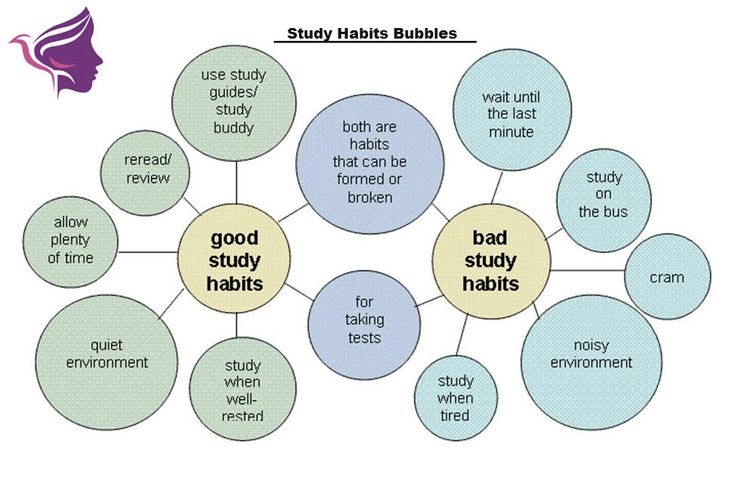
Elementary school is largely about learning the basics: reading, writing, and arithmetic. High school is about applying knowledge at a higher level and preparing for the future. But middle school is where academic habits are formed.
Research from the Johns Hopkins University Center for the Social Organization of Schools found that students who fall significantly behind in sixth grade are far less likely to graduate high school on time. The transition from elementary to middle school is one of the most academically risky periods in a student’s entire educational journey.
Why? Because middle school is the first time students face multiple teachers, multiple subjects, increased homework, and the expectation of self-management. A child who thrives in elementary school under one caring teacher may suddenly struggle when they need to track assignments across five or six different classes.
The students who learn how to organize their time, advocate for themselves, and manage workload in middle school carry those skills into high school and college. Those who do not often spend years catching up — or never fully do.
This is also the stage where intrinsic motivation either takes root or starts to fade. Studies show that student engagement drops dramatically in middle school, particularly in math and science.
But when schools and teachers get middle school right — when they connect learning to real-world relevance and give students some ownership over their education — engagement actually climbs. The window is open. The question is whether adults in a child’s life walk through it with them.
Social-Emotional Learning Peaks in These Years
Middle school is famously difficult socially. Friendships shift overnight. Peer pressure intensifies. Young people experience their first heartbreaks, first conflicts, and first encounters with genuine moral complexity. For many adults, the middle school years are the ones they remember most vividly — because they felt the most.
But this emotional intensity is not just noise. It is developmentally purposeful. The social-emotional challenges of middle school are exactly the environment in which young people build empathy, resilience, conflict resolution skills, and emotional intelligence.
A girl named Priya, for example, experienced a painful falling-out with her best friend in seventh grade. It felt devastating at the time. But working through that conflict — learning to express her feelings, listen to another perspective, and eventually repair the relationship — gave her skills she used in every meaningful relationship afterward. Her mother, looking back, calls it one of the most important growing experiences of Priya’s entire childhood.
Research consistently shows that students with strong social-emotional skills outperform their peers academically, have better mental health outcomes, and show greater career success as adults. These skills do not develop in a vacuum. They develop in exactly the kind of environment middle school provides — messy, social, emotionally charged, and full of real stakes.
Schools that invest in social-emotional learning (SEL) programs during middle school see measurable improvements in academic performance, attendance, and student wellbeing. A 2017 meta-analysis published in the journal Child Development found that SEL interventions in middle school improved academic achievement scores by an average of 11 percentile points.
It Is the Last Chance Before High School Pressure Sets In
There is something important that many parents and educators underestimate: middle school is the last low-stakes learning window. In high school, grades go on transcripts. GPA affects college admissions. Every test starts to feel like it counts toward something permanent.
Middle school, by contrast, is still a place where students can experiment, fail, and try again without permanent consequences. A student who tries out for the school play and freezes on stage in sixth grade has time to recover, try again, and maybe become a confident performer by eighth grade.
A student who fails a science project in seventh grade learns how to handle failure and try differently — before the pressure becomes crushing.
This is a gift that often goes unrecognized. The freedom to fail safely is one of the most valuable learning environments that exists. And it disappears once high school begins.
Parents who understand this often make a conscious choice to let their middle schoolers struggle productively — to resist the urge to swoop in and fix every problem. They let their children face the natural consequences of forgetting homework, mismanaging time, or making a social mistake. Because in middle school, those lessons are still affordable.
Critical Thinking and Curiosity Are Either Nurtured or Suppressed
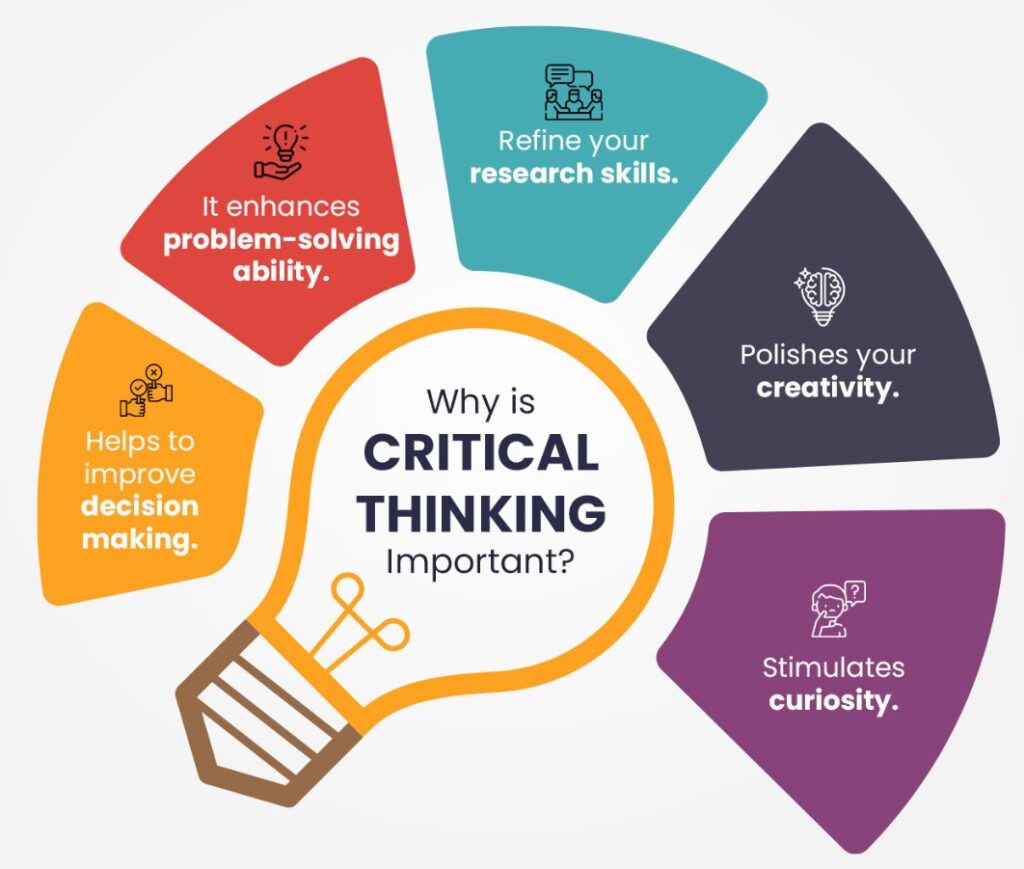
Middle school is when abstract thinking begins to emerge. Before about age 11, children think largely in concrete terms. They understand what they can see, touch, and directly experience. But during middle school, young people begin to develop the capacity for hypothetical reasoning, abstract thought, and metacognition — the ability to think about their own thinking.
This is a profound cognitive shift. And what happens to a child’s curiosity during this shift matters enormously.
A middle school student who is encouraged to ask hard questions, challenge assumptions, and wrestle with complex ideas develops a love of learning that often lasts a lifetime. A student whose curiosity is met with indifference, or whose questions are dismissed as disruptive, often becomes intellectually passive — and that passivity is hard to reverse.
Teachers who work in middle school know this intuitively. The best middle school educators are not just teaching content. They are teaching students how to think. They are planting seeds of curiosity that will bloom in high school, college, and well beyond.
Mr. James Hendricks, a middle school science teacher with over 20 years of classroom experience, puts it this way: “My job is not to make my students love science. My job is to make sure they never stop asking why.” That attitude — and that opportunity — is uniquely middle school.
Relationships With Adults Outside the Family Become Critical
Something fascinating happens in early adolescence: children begin pulling away from their parents and looking outward. This is healthy and normal. But it means that the adults they encounter outside the family — teachers, coaches, mentors, neighbors — start playing an outsized role in their development.
Research on resilience in young people consistently highlights the importance of a single caring adult outside the immediate family. For many children, that person is a middle school teacher, coach, or counselor. The timing is not a coincidence. It is a feature of this developmental stage.
A mentor relationship formed in middle school can redirect a young person’s entire life trajectory. Stories of “the teacher who changed everything” almost always take place in middle school — because that is the age when such relationships can go deepest.
This is also why middle school extracurricular activities matter so much. A child who joins a debate team, drama club, sports team, or art program in middle school is not just gaining a skill. They are connecting with a mentor, finding a community, and discovering a part of themselves that may define their future direction.
Technology and Media Literacy Begin Here

We live in a digital world, and middle school is the stage when young people become truly independent technology users for the first time. Most children receive their first smartphone around age 11 or 12. They begin navigating social media, online content, and digital communication largely on their own.
This makes middle school the critical window for developing media literacy — the ability to evaluate information, recognize bias, understand digital footprints, and use technology thoughtfully rather than impulsively.
Young people who develop strong media literacy in middle school are better equipped to handle the misinformation, cyberbullying, and digital pressure that defines so much of modern adolescent life. Those who do not often struggle with these challenges well into adulthood.
Schools and parents who treat digital citizenship as a core middle school skill — not an afterthought — give children a genuine advantage. This is one area where middle school education has the potential to shape habits and attitudes that will matter for an entire lifetime.
What Parents Can Do to Make Middle School Count
Understanding the importance of middle school is only half the equation. The other half is acting on that understanding. Parents who want to help their children thrive during these years can do several practical things.
Stay connected without hovering. Middle schoolers need independence, but they also need to know their parents are engaged and available. Regular, low-pressure conversations about school, friendships, and interests go a long way.
Take academic struggles seriously early. A student falling behind in sixth or seventh grade needs support right away — not a “wait and see” approach. The window for intervention is real, and it does not stay open forever.
Encourage exploration over perfection. Middle school is the time to try new things: new subjects, new activities, new friendships. The goal is breadth of experience, not achievement at any cost.
Model the values you want to see. Middle schoolers watch adults closely, even when they seem not to. Modeling curiosity, resilience, and kindness has a real impact.
Build relationships with teachers. Teachers who know their students as individuals are more likely to notice when something is wrong and more equipped to provide the kind of mentorship that changes lives.
The Quiet Power of These Three Years
Middle school rarely gets the credit it deserves. It is sandwiched between the warmth of elementary school and the high stakes of high school. It is noisy, awkward, and often misunderstood. But inside those three years lives something extraordinary: the chance to shape a mind, build a character, and plant seeds that will grow for a lifetime.
The brain is rewiring. The identity is forming. The habits are being set. The social skills are being built. The curiosity is either catching fire or going dark. The mentors are stepping in. The first real encounters with failure and resilience are happening.
Middle school is not a bridge between two more important places. It is a destination. It is the most formative, most neurologically active, most identity-shaping stage of the entire educational journey. And it deserves to be treated that way — by schools, by parents, and by every adult who has the privilege of walking alongside a young person during these remarkable years.
The students who are seen, challenged, supported, and believed in during middle school do not just perform better academically. They grow into more resilient, more curious, more emotionally intelligent human beings. And that is an outcome worth everything.
Summary
- Brain Rewiring — The brain undergoes its second major period of rapid development during ages 11 to 14, hardwiring habits and thinking patterns for life.
- Identity Formation — Young people are actively figuring out who they are. The right experience or mentor during these years can permanently shape a child’s self-confidence and self-image.
- Academic Habits — Study skills, time management, and self-discipline are either built or neglected here. Students who fall behind in sixth grade are far less likely to graduate high school on time.
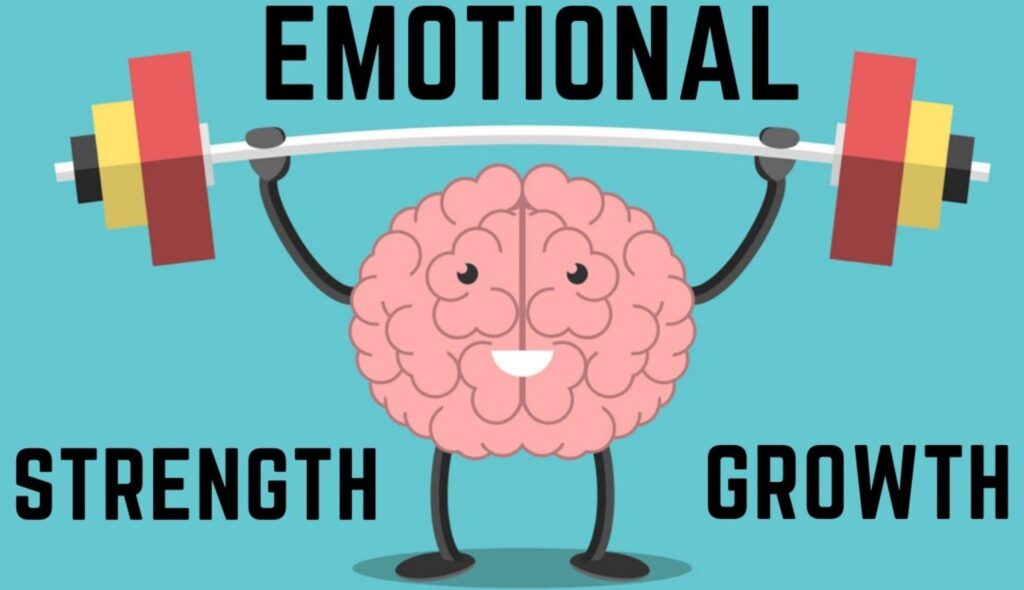
- Social-Emotional Growth — Empathy, resilience, and conflict resolution skills develop during these years. Strong social-emotional learning improves academic scores by an average of 11 percentile points.
- Last Low-Stakes Window — Middle school is the last stage where students can experiment, fail safely, and try again before high school pressure and permanent transcripts begin.
- Critical Thinking Emerges — Abstract reasoning and hypothetical thinking develop for the first time, making it the perfect stage to nurture curiosity and a love of learning.
- Mentor Relationships Matter Most — Children begin looking outside the family for guidance. A single caring teacher or coach during these years can redirect a child’s entire life path.
- Digital Literacy Begins — Most children get their first smartphone around age 11 or 12, making middle school the critical window to build responsible technology habits.
- Curiosity Is Either Sparked or Suppressed — Students encouraged to ask questions and think deeply in middle school develop a love of learning that lasts a lifetime.
- Shapes the Entire Future — Everything that follows — high school, college, career, and relationships — is built on the foundation laid during these three powerful years.
Final Thoughts
If there is one thing every parent, teacher, and educator should take away from this, it is simple: do not sleep on middle school. These are not just the in-between years. They are the years that quietly decide so much about who a young person becomes — how they think, how they handle pressure, how they see themselves, and how they treat others.
The research is clear. The brain is at a peak moment of plasticity. The identity is wide open. The habits are forming in real time. And the adults in a child’s life during these years have a level of influence that is genuinely hard to overstate. A single encouraging teacher, a well-timed challenge, or a safe space to fail and try again can redirect a life.
Middle school students are not too young to be taken seriously, and they are not too old to still be shaped. They sit in the most powerful learning window of their entire education — and they deserve every bit of attention, investment, and belief that educators and parents can offer.
Treat these three years with the same urgency and care given to high school and college prep, and the results will speak for themselves — not just in grades, but in the kind of confident, curious, emotionally grounded young adults who walk out the other side.
The middle school years are not something to simply survive. They are something to seize.
FAQs
Why is middle school considered the most important stage of learning?
Middle school is considered the most important learning stage because the brain is actively rewiring itself, identity is forming, and lifelong academic and social habits are being set — all at the same time. These three years between ages 11 and 14 create a unique window where the right support, challenges, and experiences can shape a child’s confidence, curiosity, and character permanently.
How does middle school affect a child’s future success?
Middle school has a direct impact on future success. Research from Johns Hopkins University shows that students who fall behind in sixth grade are far less likely to graduate high school on time. The study habits, emotional skills, and self-belief built during middle school carry forward into high school, college, and career life.
What skills are most important to develop in middle school?
The most important skills to develop in middle school include time management, critical thinking, emotional resilience, social skills, and self-discipline. This is also the ideal time to build media literacy and digital responsibility, as most children receive their first smartphone around age 11 or 12.
How can parents support their child during middle school years?
Parents can support their child by staying connected without hovering, taking academic struggles seriously early, encouraging exploration over perfection, and building strong relationships with teachers. Allowing children to fail safely and learn from mistakes during these years is one of the most valuable things a parent can do.
Why do students lose motivation in middle school?
Students often lose motivation in middle school because the jump from one elementary teacher to five or six different subject teachers feels overwhelming. Increased workload, social pressure, and identity confusion all play a role. However, when learning is connected to real-world relevance and students are given ownership over their education, motivation and engagement can significantly improve.