
Middle school is one of the most important phases in a student’s academic journey. It is the bridge between elementary school and high school — and the habits formed during these years can shape a student’s entire future. Yet, many students (and even parents) overlook one of the simplest and most powerful tools available to them: a Middle School GPA Calculator.
If you have never used one, you might wonder why it even matters at this stage. After all, aren’t GPAs something students worry about in high school or college? The truth is, starting early makes all the difference. Students who track and understand their GPA in middle school are far better prepared for the academic challenges ahead. Let’s explore exactly why every student should give this tool a real chance.
What Is a GPA and Why Does It Matter in Middle School?
Before diving into the reasons, it helps to understand what a GPA actually is. GPA stands for Grade Point Average. It is a numerical representation of a student’s academic performance. In most schools in the United States, grades are converted into points on a 4.0 scale:
- A = 4.0
- B = 3.0
- C = 2.0
- D = 1.0
- F = 0.0
These points are averaged across all subjects to produce a single number — the GPA. A student scoring mostly A’s would have a GPA close to 4.0, while a student with mixed grades might land somewhere around 2.5 or 3.0.
In middle school, many students believe their grades “don’t count yet.” This is one of the biggest academic myths out there. The study habits, the work ethic, and even some academic records from middle school can influence high school placements, advanced course eligibility, and scholarship awareness. A student who uses a GPA Calculator Middle School tool regularly understands this reality far sooner than those who don’t.
Reason 1: It Turns Abstract Grades Into Clear Numbers

One of the biggest challenges students face is understanding what their grades actually mean collectively. Getting a B in Math, an A in English, a C+ in Science, and an A- in History might feel confusing. Is that good? Is it average? Where do you actually stand?
A GPA calculator answers that question instantly. It takes all those individual grades and converts them into a single, easy-to-understand number. Suddenly, a student knows they are sitting at a 3.1 GPA — and they can immediately see what that means and where they want to go.
This clarity is powerful. When students understand where they stand, they stop feeling overwhelmed and start feeling in control. That shift in perspective can genuinely change how a young person approaches school every single day.
Reason 2: It Helps Students Set Real, Achievable Goals
When a student uses a GPA Finder Middle School tool and discovers they currently have a 2.8 GPA, they now have a starting point. From there, they can ask: “What do I need to do to reach a 3.0 or a 3.5?”
This goal-setting process is incredibly valuable. Research consistently shows that students who set specific academic goals perform significantly better than those who don’t. A GPA calculator makes that goal concrete. It stops being “I want to do better” and becomes “I need to raise my Science grade from a C to a B to push my GPA to 3.2.”
That kind of specific, measurable target is something a student can actually work toward. It gives them direction, and direction gives them motivation.
Reason 3: It Reduces Academic Anxiety

Middle school students are already navigating a huge amount of emotional and social change. The last thing they need is an undefined cloud of academic stress hanging over them. Not knowing where you stand academically is genuinely stressful — and that stress can become paralyzing.
When students regularly check in with their GPA, they replace that vague worry with real information. Even if the number isn’t perfect, knowing the truth is almost always less stressful than imagining the worst.
Studies in educational psychology suggest that students who actively monitor their academic performance report lower levels of anxiety compared to those who avoid checking their grades.
A GPA calculator gives students the data they need to calm their fears and focus their energy productively. Instead of dreading report card day, they already know what’s coming — and they’ve had time to plan for it.
Reason 4: It Encourages Personal Responsibility
One of the most important life skills a young person can develop is accountability. Taking ownership of your actions — including your academic performance — is a habit that will serve students for decades to come.
When a student uses a GPA Middle School Calculator regularly, they stop seeing grades as something that “happen to them” and start seeing grades as something they create. Every homework assignment turned in, every test studied for, and every class participated in has a direct impact on that number. The calculator makes that connection visible.
This is especially powerful during the middle school years, when students are developing their identities and testing their independence. Giving them a tool that reinforces personal responsibility at this age plants a seed that grows into genuine academic confidence.
Reason 5: It Prepares Students for High School Expectations

High school is a completely different world when it comes to academic tracking. Grades in high school go on an official transcript that colleges, scholarship committees, and even some employers will review. Students who arrive in high school already familiar with how GPAs work — how they’re calculated, what affects them, and why they matter — have a massive head start.
Many high school students struggle in their freshman year precisely because they were never taught to track or understand their academic standing.
By using a GPA calculator in middle school, students build the mental habit of monitoring performance before the stakes get higher. They walk into 9th grade knowing exactly what a 3.5 GPA looks like, how it’s achieved, and how to protect it.
That preparation is priceless.
Reason 6: It Opens Conversations Between Students and Parents
One of the underappreciated benefits of GPA tools is how they improve communication at home. When a student sits down with a parent and pulls up their GPA calculation, it transforms a potentially difficult conversation into a productive one.
Instead of a parent asking “How are your grades?” and receiving a vague “Fine,” both parties are now looking at real numbers together. They can talk about specific subjects, identify which areas need support, and celebrate genuine improvement.
Parents who understand their child’s GPA are far more likely to get involved in their education in a helpful, targeted way — rather than either ignoring the issue or over-reacting during report card season. A simple GPA calculator can become the foundation of a healthy, ongoing academic conversation between a student and their family.
Reason 7: It Highlights Strengths and Weaknesses by Subject
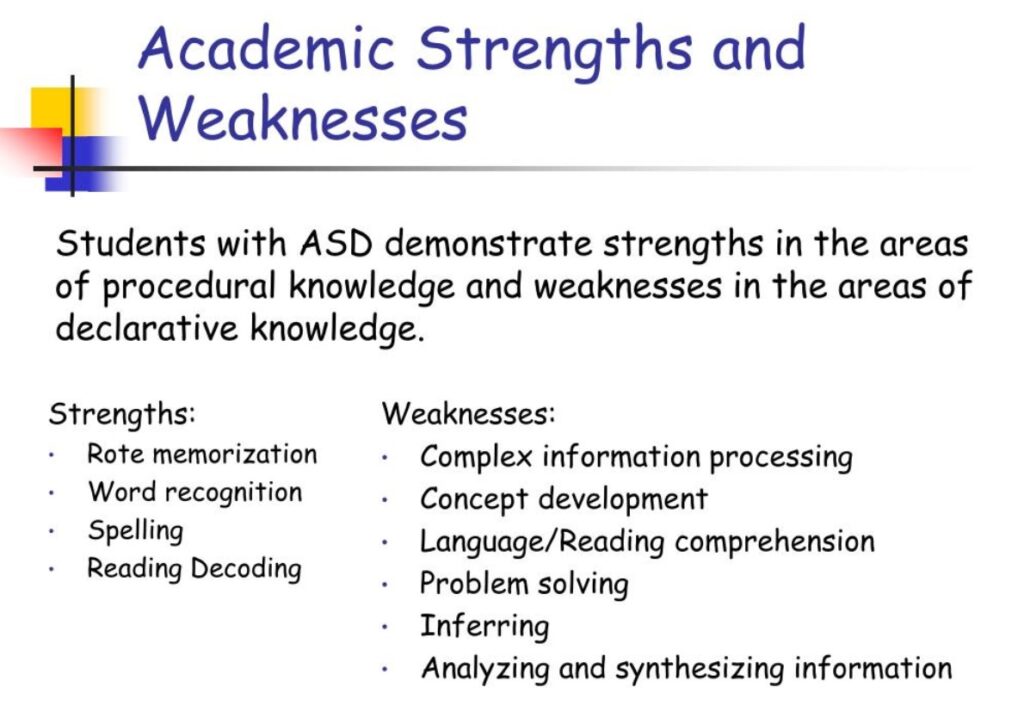
A smart student doesn’t just want to know their overall GPA — they want to know why their GPA is where it is. Most GPA calculators allow students to enter grades subject by subject, which means they can immediately see where they are excelling and where they are falling behind.
For example, a student might discover that their strong performance in English (A) and History (A-) is being pulled down significantly by a struggling Math grade (D+). Without this breakdown, the student might feel generally “okay” about school. With it, they know exactly where to focus.
This subject-level awareness is the kind of insight that makes tutoring decisions, study schedule adjustments, and teacher conversations far more effective. It’s not just about knowing the number — it’s about understanding what’s driving it.
Reason 8: It Builds a Long-Term Academic Mindset
There is a profound difference between a student who thinks semester-by-semester and one who thinks about their academic trajectory over years. GPA calculators encourage the latter.
When a student tracks their GPA each semester and watches it change over time, they begin to see the bigger picture. A 2.6 GPA in 6th grade that climbs to a 3.1 in 7th grade and a 3.5 in 8th grade tells a compelling story of growth. That story becomes part of how the student sees themselves — as someone who is improving, someone who is capable, someone who is on the right track.
This long-term mindset is one of the most valuable academic gifts a middle school student can develop. And a simple GPA calculator, used consistently, can be the tool that makes it happen.
Reason 9: It Motivates Students in a Healthy, Positive Way

Motivation in academics can come from many places — and not all of them are healthy. Fear of punishment, comparison to peers, and pressure from parents can all push a student to study, but these are external pressures that often create stress without building genuine love of learning.
A GPA calculator offers something different: the motivation of progress. When a student sees their GPA move from 2.9 to 3.2 over a single semester because of their own effort, that feeling is genuinely rewarding. It creates what psychologists call intrinsic motivation — the desire to achieve because achievement itself feels good.
This kind of motivation is self-sustaining. Students who experience it don’t need to be constantly pushed by outside forces. They push themselves because they’ve seen what effort can do to that number — and they want to keep pushing it higher.
Reason 10: It Makes Report Cards Less Stressful for Everyone
Report card season is notoriously stressful in many households. Students feel anxious, parents feel worried, and conversations can become tense. Much of this stress comes from uncertainty — nobody quite knows what to expect until the grades arrive.
When a student uses a GPA calculator regularly throughout the semester, that uncertainty disappears. They already know — within a close margin — what their report card is going to show. They’ve been tracking their grades, running the numbers, and adjusting their effort along the way.
For families who use this approach, report card day becomes a confirmation rather than a surprise. And when the news is good, the celebration is richer because the student knows exactly what they did to earn it.
Reason 11: It Teaches a Skill That Applies Far Beyond School

The habit of tracking, measuring, and responding to data is one of the most valuable skills in modern life. In careers from business to healthcare to technology, the ability to monitor performance metrics and make smart decisions based on numbers is essential.
By learning to use a GPA calculator in middle school, students are actually practicing a version of this skill at an early age. They are learning to take a complex situation (academic performance across multiple subjects), reduce it to a clear number, and use that number to make better decisions. That is a genuinely transferable skill — and it starts with something as simple as entering a few grades into a calculator.
How to Use a GPA Calculator Effectively
Using a GPA calculator is simple, but using it effectively requires a little intention.
Here are a few practical tips:
1. Update it regularly. Don’t wait until the end of the semester. Enter grades as they come in — after each major test, project, or quiz.
2. Use it to run “what if” scenarios. Most calculators allow you to enter hypothetical grades. Ask: “If I score a 95 on my next Math test, where will my GPA go?” This kind of forward thinking is powerful.
3. Look at trends, not just snapshots. A single GPA number matters less than the direction it’s moving. Is it going up? Holding steady? Declining? The trend tells the real story.
4. Share it with a trusted adult. Whether that’s a parent, a teacher, or a school counselor, having another person look at the data creates accountability and opens the door to helpful support.
5. Celebrate improvement. When the GPA goes up, acknowledge it. A small celebration reinforces the connection between effort and reward — and that’s a lesson worth learning young.
What Parents and Teachers Should Know
For parents: encouraging your child to use a GPA calculator is not about adding pressure. It’s about giving them a tool for self-awareness. Frame it positively — not as surveillance, but as empowerment. Let the student be the one who checks and reports the number. That ownership matters.
For teachers: recommending GPA calculators to students — especially at the beginning of a semester — can dramatically increase student engagement. When students understand how their grade is calculated and what it would take to improve it, they become more invested in the work. A 5-minute conversation about GPA calculations can shift a student’s entire approach to a class.
Summary
The blog post explains why every middle school student should regularly use a GPA calculator. Here are the core points:
- Clarity – Converts mixed grades into one simple number students can understand
- Goal Setting – Helps students set specific, measurable academic targets
- Less Anxiety – Knowing your standing reduces stress and uncertainty
- Responsibility – Students take ownership of their own academic performance
- High School Prep – Builds habits before grades officially “count”
- Family Communication – Opens better conversations between students and parents
- Strengths & Weaknesses – Shows exactly which subjects need more attention
- Long-Term Mindset – Encourages students to think beyond one semester
- Healthy Motivation – Progress feels rewarding and builds intrinsic drive
- No Report Card Surprises – Students already know what’s coming
- Life Skill – Tracking and responding to data is valuable far beyond school
Bottom line: Starting GPA tracking in 6th, 7th, or 8th grade builds awareness, confidence, and habits that carry students successfully into high school and beyond.
Final Thoughts: Start Early, Stay Ahead
The students who thrive academically are rarely the ones who are the smartest or the most naturally talented. They are the ones who are the most aware, the most intentional, and the most willing to take responsibility for their own learning.
A GPA calculator is not a magic wand. It won’t do the studying for anyone. But it gives students the awareness they need to make better choices — and in middle school, better choices become better habits, and better habits become a better future.
Every student deserves to understand where they stand and where they can go. That knowledge starts with a number. And that number starts with a calculator.
So whether a student is in 6th, 7th, or 8th grade, right now is the best time to start. Open a GPA calculator, enter those grades, and see what the numbers have to say. The results just might be the most motivating thing that student sees all semester.
FAQs
What is a Middle School GPA Calculator and how does it work?
A Middle School GPA Calculator is a free online tool that converts letter grades into grade points and averages them across all subjects on a 4.0 scale. Students simply enter their grades, and the tool instantly calculates their overall GPA number.
Does GPA matter in middle school?
Yes. While middle school GPA may not appear on a college transcript, it directly affects high school course placement, eligibility for advanced or honors classes, and the academic habits a student builds early on.
What is a good GPA for a middle school student?
A GPA of 3.0 and above is generally considered good for middle school. A 3.5 or higher is excellent. However, the most important thing is consistent improvement over time, not just the number itself.
How often should a middle school student check their GPA?
Students should check their GPA at least once per month or after every major test or project. Regular tracking helps catch grade drops early and keeps academic goals on track throughout the semester.
Can a middle school GPA affect high school opportunities?
Absolutely. A strong middle school GPA can qualify students for honors classes, gifted programs, and accelerated courses in high school — giving them a significant academic advantage from day one of 9th grade.