

GPA in middle school helps track academic progress, build strong study habits, and prepare students for future high school success.
Middle school is one of the most exciting — and confusing — times in a student’s life. New subjects, new teachers, new friendships, and new responsibilities all arrive at once. In the middle of all this change, one thing quietly starts to shape a student’s future: their GPA.
Many students and even some parents wonder, does GPA really matter in middle school? The short answer is yes — more than most people realize. This article breaks down exactly why Grade Point Average matters during these important years, what it means for a student’s future, and how any student can take simple steps to protect and improve it.
What Is a GPA and How Is It Calculated?
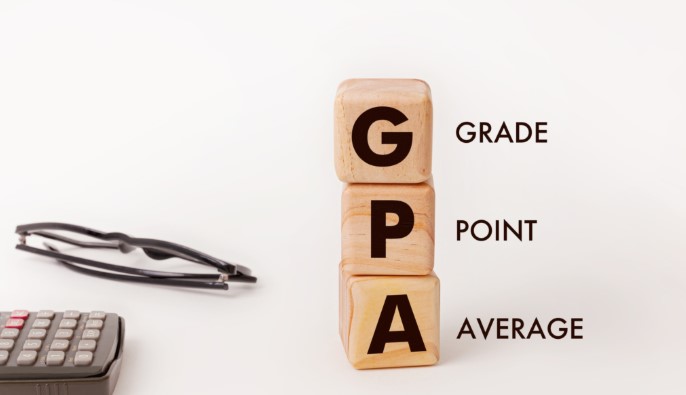
GPA stands for Grade Point Average. It is a number that represents a student’s average academic performance across all their classes. In most American middle schools, grades are converted into a 4.0 scale:
- A (90–100%) = 4.0
- B (80–89%) = 3.0
- C (70–79%) = 2.0
- D (60–69%) = 1.0
- F (below 60%) = 0.0
Some schools use weighted GPAs, where harder classes like Pre-AP or advanced courses carry more points. But in most middle schools, an unweighted 4.0 scale is standard.
To calculate a GPA, schools add up all the grade points earned and divide by the total number of classes. For example, if a student earns an A in 4 classes and a B in 2 classes, their GPA works out to about 3.67. It sounds simple, but the number carries a lot of weight.
Does Middle School GPA Actually Follow You?
This is the question students ask most often. Many believe middle school grades “don’t count” and get wiped clean when high school starts. That belief is only partially true — and students who rely on it often regret it later.
Here is the reality. In most school districts across the United States, middle school grades do not appear on a high school transcript. High school transcripts typically start from 9th grade. So in a technical sense, a 6th or 7th grade report card will not show up when a student applies to college.
However, the idea that middle school GPA is completely meaningless is one of the most common academic myths students believe. Here is why it matters deeply.
Reason 1: Middle School GPA Determines High School Class Placement
One of the most important — and most overlooked — ways that middle school GPA matters is class placement. High schools use a student’s middle school academic performance to decide which classes they belong in when they arrive as freshmen.
Students who maintain a strong GPA in middle school — typically 3.0 and above — often get placed in honors, advanced, or accelerated courses in high school. These placements are a huge advantage. Honors and AP classes in high school carry more weight on transcripts and look impressive to college admissions offices.
On the other hand, students who struggle in middle school often get placed in standard or remedial courses. Catching up from those tracks takes extra time and effort — time many students never fully recover.
Consider the experience of Maria, a student from Texas who coasted through 7th grade with mostly C grades. When she arrived in 9th grade, she was placed in standard-level English and math while her friends moved into honors courses. She spent the next two years trying to test into higher tracks. It was possible, but it cost her valuable time that her peers used to build impressive academic records.
Reason 2: Strong Study Habits Built in Middle School Carry into High School
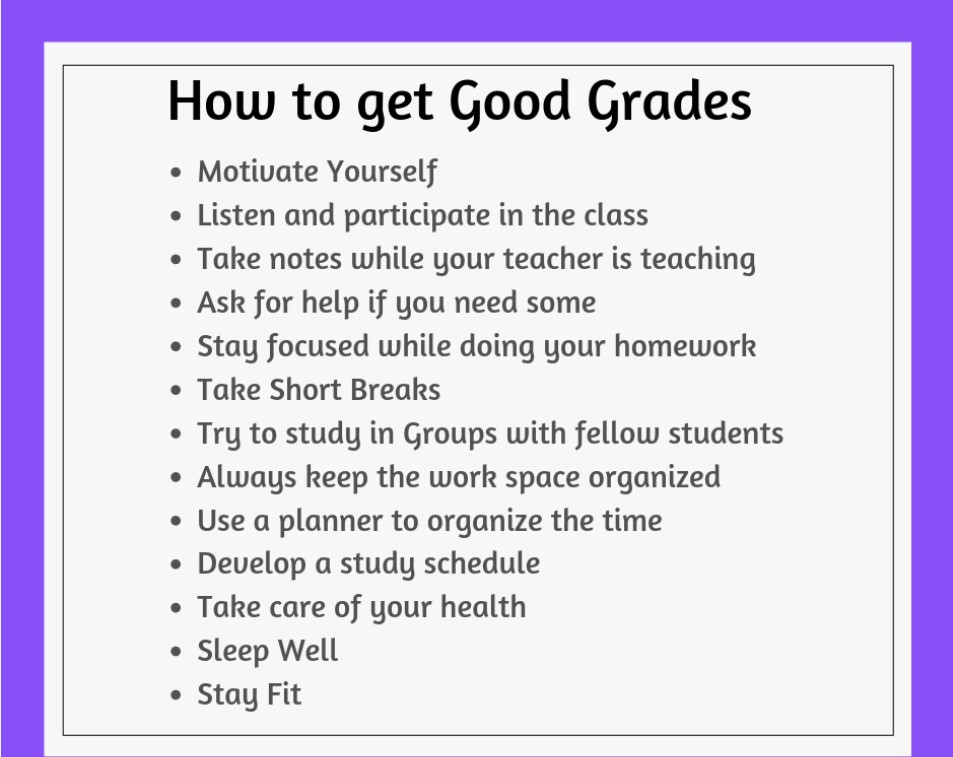
GPA is not just a number — it reflects the habits a student builds. Middle school is the training ground where students either develop strong academic habits or develop weak ones. These habits do not magically change when high school starts.
Research consistently shows that students who form disciplined study routines between ages 11 and 14 are significantly more likely to maintain those routines throughout high school and college. According to educational psychologists, habits formed during early adolescence are among the most persistent behavioral patterns a person develops.
Students who protect their GPA in middle school learn how to:
- Manage their time across multiple subjects
- Take organized notes and review them regularly
- Ask for help when they struggle instead of giving up
- Prepare for tests rather than cramming at the last minute
- Balance homework with extracurricular activities
These are not small skills. These are the exact habits that separate students who thrive in rigorous high school programs from students who feel overwhelmed.
Reason 3: GPA Affects Eligibility for Activities and Programs
Many students do not realize that their GPA directly affects their ability to participate in activities they care about. Most middle schools require a minimum GPA — often 2.0 or higher — for students to join sports teams, clubs, bands, student government, and other extracurricular programs.
This is not just a middle school policy. High schools and colleges have similar requirements. The NCAA (National Collegiate Athletic Association), for example, requires student athletes to maintain specific GPA thresholds to remain eligible to play sports at the college level.
For students who dream of playing sports, participating in theater, joining science clubs, or representing their school in competitions, maintaining a healthy GPA is non-negotiable. Letting grades slip can mean losing access to the very activities that make school enjoyable.
Reason 4: It Builds Confidence and Self-Identity
This might not be the first thing people think about when they talk about GPA, but it is incredibly important. Middle school is the period when young people start forming their sense of who they are as students. Their academic performance plays a direct role in how they see themselves.
Students who maintain a good GPA start to see themselves as capable, smart, and hardworking. That self-image becomes part of their identity. They walk into challenging situations with confidence because they have proof — in the form of their grades — that they can succeed.
Students who allow their GPA to drop without addressing it often develop a different self-image. They start to believe that they are “not good at school” or “just not a math person.” These beliefs are powerful and limiting. They shrink a student’s vision of what is possible for their future.
Jake, a student from Ohio, shared that his 8th grade experience shaped everything. He worked hard and finished middle school with a 3.8 GPA. That number made him believe he could handle rigorous courses. He went on to take AP Chemistry and AP History in high school — subjects he might never have attempted if he had not built that confidence early.
Reason 5: Some Middle School Credits Count Toward High School
In many school districts, certain middle school classes — especially in math — carry high school credit. For example, a student who takes Algebra I in 8th grade and earns a strong grade can count that course as a high school credit. This allows them to take more advanced courses like Calculus by senior year.
This is a significant academic advantage. Students who earn these early credits have more flexibility in their high school schedule. They can take college-level AP courses, pursue electives that interest them, or even graduate early.
But this benefit only applies to students who perform well. A poor grade in an 8th grade math course not only fails to earn high school credit — it may actually require the student to repeat the course. That sets them back instead of ahead.
Reason 6: Middle School GPA Influences Scholarships and Special Programs
Some competitive scholarship programs, magnet schools, gifted programs, and special academic opportunities do look at middle school academic records. When a student applies to a selective high school, a summer academic program, or a competitive enrichment opportunity, their middle school grades are often part of the application.
Programs like Johns Hopkins Center for Talented Youth, various STEM academies, and selective magnet high schools frequently require middle school transcripts as part of their admissions process. A strong GPA opens these doors. A weak one closes them.
Parents and students who understand this early have a meaningful advantage. They treat every year of middle school as an opportunity to build a record that creates choices — not one that limits them.
What Is a Good GPA for Middle School?
Students and parents often ask what GPA they should aim for. Here is a practical breakdown:
- 4.0 — Excellent. A perfect score showing consistent top performance.
- 3.5 to 3.9 — Very good. Places a student in strong academic standing.
- 3.0 to 3.4 — Good. Meets most eligibility requirements and reflects solid effort.
- 2.5 to 2.9 — Average. May limit access to some advanced placements.
- Below 2.5 — Needs attention. Could affect class placement and activity eligibility.
Most educators recommend that students aim for at least a 3.0 GPA in middle school. A 3.5 or above opens the most doors and signals strong readiness for high school challenges.
Common Mistakes That Hurt Middle School GPA
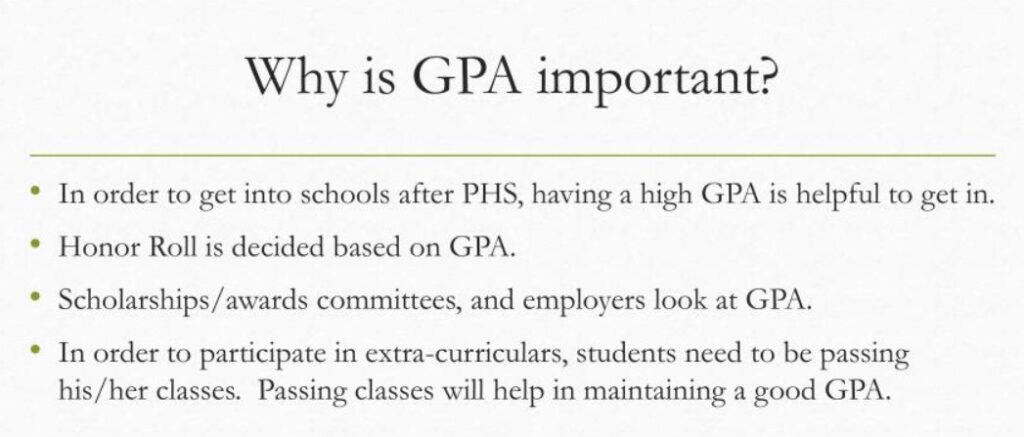
Understanding what damages a GPA is just as important as knowing why it matters. Here are the most common mistakes students make:
Missing Assignments
This is the number one GPA killer in middle school. A missing assignment often earns a 0, which can drag an entire grade down dramatically. Turning in imperfect work is almost always better than turning in nothing.
Failing to Ask for Help
Many middle schoolers feel embarrassed to admit they are struggling. They stay quiet in class, fall behind, and then panic when grades come out. Every teacher, tutor, and counselor agrees: asking for help early is one of the most effective academic strategies a student can use.
Procrastination
Middle school brings more homework than elementary school, and students who procrastinate quickly find themselves overwhelmed. Breaking large assignments into small steps and working on them consistently is far more effective than last-minute cramming.
Poor Attendance
Missing school means missing instruction, assignments, and class participation points. Even a few absences per semester can chip away at a GPA. Regular attendance is one of the simplest ways to protect grades.
Ignoring Feedback
When teachers return graded work with comments and corrections, those notes are valuable. Students who ignore feedback miss opportunities to improve before the next test or assignment.
Practical Tips to Improve and Maintain a Strong GPA
Here are simple, proven strategies that students can start using right away:
1. Use a planner or digital calendar. Writing down every assignment and due date prevents forgotten work and last-minute stress.
2. Create a consistent homework routine. Studying at the same time each day — ideally right after school — builds a habit that requires less willpower over time.
3. Break big projects into daily steps. A 3-week project is manageable when broken into daily 10-minute tasks. It feels impossible when left for the last weekend.
4. Review notes within 24 hours. Studies show that reviewing notes within a day of learning new material dramatically improves retention.
5. Communicate with teachers. Students who introduce themselves, participate in class, and ask questions are seen as engaged. Teachers notice effort and often factor it into grades.
6. Get enough sleep. The American Academy of Sleep Medicine recommends that teenagers get 8 to 10 hours of sleep per night. Sleep-deprived students struggle to focus, recall information, and perform well on tests.
7. Limit distractions during study time. Phones, social media, and streaming services are the biggest academic threats for today’s students. Even 30 minutes of focused, distraction-free study is more effective than 2 hours of distracted reviewing.
What Parents Can Do to Support Their Child’s GPA
Parents play a powerful role in their child’s academic success. Research from the National Education Association consistently shows that parental involvement is one of the strongest predictors of student achievement.
Here are some ways parents can help without creating unnecessary pressure:
- Check in regularly about schoolwork without hovering or micromanaging
- Create a quiet, organized study space at home
- Celebrate effort, not just results — a student who works hard and earns a B deserves recognition
- Connect with teachers through parent-teacher conferences and email
- Help their child develop time management strategies rather than doing the work for them
- Model a growth mindset — talk openly about how effort leads to improvement
Students thrive when they feel supported at home and at school. A parent who shows genuine interest in their child’s academic life sends a message that education matters.
The Bigger Picture: GPA Is a Foundation, Not a Ceiling
It is important to emphasize one final point. GPA is not a measure of a student’s worth, intelligence, or potential. It is a tool — one piece of a larger picture. Students who struggle with their GPA in middle school can absolutely turn things around. Many of today’s most successful people had rough academic patches during their early years.
What GPA does is create options. A strong GPA expands what a student can do, where they can go, and who they can become. A weak GPA narrows those options — not permanently, but meaningfully.
Middle school students have something incredibly valuable: time. They are at the beginning of their academic journey. Every assignment completed, every concept mastered, and every good habit formed right now builds a foundation that will serve them for years to come.
The students who understand this early — who see every quiz, every homework assignment, and every class participation moment as a small building block — are the ones who arrive in high school ready to achieve things that once felt out of reach.
Summary
The article explains that while middle school grades don’t appear on high school transcripts, they still have a major impact on a student’s future in 6 key ways:
- Class Placement — Good grades get students into honors/advanced high school courses
- Study Habits — Middle school builds habits that carry into high school and college
- Activity Eligibility — A minimum 2.0 GPA is required for sports, clubs, and extracurriculars
- Confidence — Strong grades shape a student’s self-identity as a learner
- Early Credits — Courses like Algebra I in 8th grade can count as high school credit
- Special Programs — Scholarships and magnet schools often review middle school records
The post also covers what a good GPA looks like (aim for 3.0+), common mistakes that hurt grades (missing assignments, procrastination, poor attendance), and practical tips to improve performance (planners, sleep, limiting distractions).
It wraps up with an encouraging message — GPA isn’t a measure of worth, it’s a tool that creates options. Students who build good habits early give their future selves a serious advantage.
Final Thoughts
GPA in middle school matters for more reasons than most students and parents expect. It shapes high school class placement, builds lifelong study habits, determines eligibility for activities, opens doors to special programs, and — perhaps most importantly — helps students develop a powerful sense of who they are as learners.
The goal is not perfection. The goal is consistent effort, smart habits, and a genuine commitment to showing up and doing the work. Students who bring that energy to middle school set themselves up for a high school experience — and a future — full of incredible possibilities.
Start now. Build the habits. Protect the GPA. The future self will be grateful.
FAQs
Does middle school GPA affect high school?
Yes, middle school GPA directly affects high school class placement. Students with a 3.0 or higher are often placed in honors or advanced courses, while lower GPAs may result in standard-level placements that are harder to move out of later.
What is a good GPA for middle school?
A 3.5 to 4.0 GPA is considered excellent in middle school. However, a 3.0 GPA is the recommended minimum, as it keeps students eligible for extracurricular activities, advanced class placement, and special academic programs.
Do colleges look at middle school GPA?
Most colleges do not directly look at middle school GPA. However, middle school performance shapes high school class placement, which directly impacts the high school transcript that colleges do review.
How can a middle school student raise their GPA fast?
The fastest ways to raise a middle school GPA are to turn in all missing assignments, ask teachers for extra credit, study consistently using a planner, and avoid distractions during homework time. Even one marking period of strong effort can raise a GPA noticeably.
Does a bad middle school GPA ruin your future?
No, a bad middle school GPA does not ruin a student’s future. It can limit early opportunities like honors placement or special programs, but students who improve their effort and habits in high school can absolutely recover and build a strong academic record.