

Middle school academic success comes from 5 core healthy routines:
- Sleep — get 8–10 hours every night
- Morning routine — wake consistently, eat breakfast, review your planner
- After-school study block — homework between 3:30–6:30 PM, phone away
- Exercise — at least 60 minutes of movement daily
- Organization — use a planner, color-coded folders, and a weekly Sunday review
The biggest game-changer? Consistent sleep and a phone-free study space.
Middle school is one of the most exciting and challenging stages in a young student’s life. Everything changes — new teachers, harder subjects, bigger hallways, and a whole lot more responsibility. Parents and educators often notice that the students who thrive during these years are not necessarily the smartest ones in the room. They are the ones with the most consistent, healthy routines.
This article draws from real experiences shared by parents, teachers, and former middle schoolers themselves. It covers practical, proven habits that help 6th, 7th, and 8th graders stay focused, feel good, and perform their best — both inside and outside the classroom.
Why Routines Matter More in Middle School Than Ever Before
Think about the jump from elementary school to middle school. Suddenly, a child has six or seven different teachers instead of one. They have to remember different classroom rules, different homework deadlines, and different expectations. Without a stable routine, it becomes very easy to feel overwhelmed.
Sarah, a middle school counselor with over 15 years of experience, puts it simply: “The students who struggle the most are usually not the ones who lack intelligence. They are the ones who lack structure.”
Research backs this up. Studies in educational psychology consistently show that students with predictable daily routines show lower anxiety levels, better memory retention, and stronger academic performance. One study found that students who followed a consistent evening routine were 32% more likely to complete homework on time compared to those without one.
Building healthy routines does not mean every minute of the day needs to be scheduled. It means creating anchor points — consistent habits that give the school day a reliable shape.
The Morning Routine: Starting Strong Sets the Tone

There is an old saying that how you start your morning determines how you live your day. For middle schoolers, this is especially true.
Waking up at the same time every day — including weekends — helps regulate the body’s internal clock. When a student wakes up groggy and rushed, their brain is still in a low-alert state during the first class of the day. But when they have a calm, structured morning, they arrive at school mentally ready.
Here is what a strong morning routine looks like for many academically successful middle schoolers:
- Wake up 60 to 75 minutes before leaving for school
- Drink a full glass of water immediately after waking
- Eat a real breakfast — not just a granola bar grabbed at the door
- Review the day’s schedule or to-do list for 5 minutes
- Avoid screen time for the first 30 minutes of the morning
Breakfast deserves special attention. The brain runs on glucose, and skipping breakfast is like trying to drive a car without fuel. Foods rich in protein and complex carbohydrates — like eggs, oatmeal, or whole grain toast — provide steady energy throughout the morning, unlike sugary cereals that cause a crash before 10 AM.
James, a former 8th grader who went from a C average to an A average in one semester, shared that the single biggest change he made was eating breakfast every morning and reviewing his planner before leaving the house. “I used to always forget stuff,” he said. “Once I started going over my list in the morning, I stopped showing up to class unprepared.”
Building a Productive After-School Routine

After school is where routines either fall apart or get stronger. Many students come home exhausted and drop into hours of screen time, which leaves homework and studying pushed to 10 or 11 PM — the worst possible time for a developing brain to learn.
The most effective after-school routine follows a simple three-part structure:
1. Decompress First (But Set a Limit)
Students need a mental break after school. Forcing a child to sit down and study the moment they walk in the door often leads to frustration and burnout. Give them 20 to 30 minutes to unwind — go outside, have a snack, talk to a parent, or simply rest.
The key word here is limit. That break should not drift into 2 hours of YouTube or video games. Setting a visible timer helps students self-regulate.
2. Homework and Study Time
The ideal time for focused study is between 3:30 PM and 6:30 PM for most middle schoolers. Cognitive function is still relatively high, and the brain has not yet shifted into its evening wind-down mode.
A few rules that work well:
- Phones go in another room during study time. Research shows that even having a phone face-down on the desk reduces focus because the brain still anticipates notifications.
- Use the Pomodoro method — 25 minutes of focused work, then a 5-minute break. This technique works exceptionally well for middle schoolers because it makes long tasks feel manageable.
- Start with the hardest subject first when the brain is freshest.
- Keep a designated homework spot — a consistent physical space trains the brain to enter “work mode” faster.
3. Evening Wind-Down
Many families underestimate the importance of the period between dinner and bedtime. This time should be calm and screen-light. Reading, light conversation, and simple hobbies like drawing or journaling all help the brain prepare for sleep.
Heavy screen use after 8 PM suppresses melatonin production, making it much harder to fall asleep. And without proper sleep, nothing else in the routine works as well.
Sleep: The Most Underrated Academic Tool

Ask most middle schoolers how much sleep they get, and the answer is usually somewhere between 6 and 7 hours. The American Academy of Sleep Medicine recommends that children between the ages of 6 and 12 get 9 to 12 hours of sleep, and teenagers between 13 and 18 get 8 to 10 hours.
The gap between what middle schoolers get and what they actually need is significant — and it shows up directly in academic performance.
Sleep is when the brain consolidates memories, meaning it takes everything learned during the day and moves it into long-term storage. Students who sleep less than 7 hours regularly perform measurably worse on tests compared to those who sleep 9 or more hours, even when both groups studied the same amount of material.
Dr. Maya Rosen, a pediatric sleep researcher, explains it clearly: “You can study for 4 hours and sleep for 5, or study for 2 hours and sleep for 9. The second student will almost always perform better on the exam. Sleep is not wasted time — it is when learning gets locked in.”
Practical steps to protect sleep:
- Set a consistent bedtime — even on weekends, try to stay within 30 minutes of the school-night bedtime
- Remove devices from the bedroom entirely or use app-based screen limits
- Keep the bedroom cool and dark — the ideal sleep temperature for most people is around 65 to 68°F (18 to 20°C)
- Avoid caffeine after 2 PM — yes, this includes energy drinks, sodas, and many teas
Physical Activity: Moving Bodies Help Thinking Brains

There is a common myth that exercise and academic success compete with each other — that time spent playing sports is time taken away from studying. The science says the opposite.
Regular physical activity increases blood flow to the brain, particularly to the prefrontal cortex, which handles planning, focus, and decision-making — exactly the skills needed for academic success. Students who exercise regularly show better concentration, faster information processing, and improved mood.
The CDC recommends at least 60 minutes of moderate to vigorous physical activity per day for children and adolescents. This does not have to mean an organized sport. It can be a walk, a bike ride, shooting hoops in the driveway, or a dance session in the living room.
Lily, a 7th grader whose mother noticed a dramatic improvement in her grades after joining a swim team, described the change this way: “I thought I’d be too tired to do homework after practice, but it was actually the opposite. I felt more awake and I finished faster.”
The connection between physical health and academic performance is not a soft, feel-good idea. It is well-documented science.
Nutrition Throughout the Day

What middle schoolers eat does not just affect their energy — it directly affects their ability to think clearly, regulate emotions, and stay focused.
A well-nourished brain needs a steady supply of complex carbohydrates, healthy fats, protein, and micronutrients like iron, zinc, and B vitamins.
Common dietary habits that hurt academic performance:
- Skipping meals, especially breakfast and lunch
- Relying on ultra-processed snacks high in sugar and refined flour
- Not drinking enough water — even mild dehydration reduces focus and working memory
- Too much caffeine, which disrupts sleep and increases anxiety
Simple upgrades that make a real difference:
- Pack a lunch with a protein source, a vegetable, a fruit, and a complex carb
- Keep healthy snacks accessible at home — nuts, fruit, cheese, yogurt
- Encourage drinking at least 6 to 8 glasses of water per day
- Limit sugary drinks to occasional treats rather than daily habits
Organization Skills: The Hidden Pillar of Academic Success
A student can be brilliantly intelligent but still struggle academically if they cannot organize their time and materials. Middle school is the stage where organizational skills either develop or stagnate — and the habits formed here follow students all the way through high school and college.
The Planner Habit
Every academically successful middle schooler benefits from using a physical planner or a reliable digital tool. The act of writing down assignments — not just remembering them mentally — dramatically reduces missed deadlines and last-minute panic.
Students should record:
- All assignments the moment they are given, not at the end of the day
- Test and quiz dates with a reminder marked 3 days before
- Project milestones broken into smaller weekly tasks
- Extracurricular commitments so study time can be planned around them
The Binder or Folder System
A simple color-coded binder system — one section per subject — saves enormous time and mental energy. Students who can find what they need quickly spend more time actually learning and less time searching through backpacks and crumpled paper.
Weekly Review
Sunday evening is an ideal time for a 10 to 15-minute weekly review. Students look at the upcoming week, check for tests or project deadlines, and plan roughly when homework will get done. This one habit eliminates most “I forgot” moments.
For parents of 8th graders specifically, tracking grades consistently matters even more during this year. Many families use a GPA calculator 8th grade tool to stay on top of cumulative academic performance throughout the year, which helps identify trouble areas before they become bigger problems.
The Role of Mental Health in Academic Performance
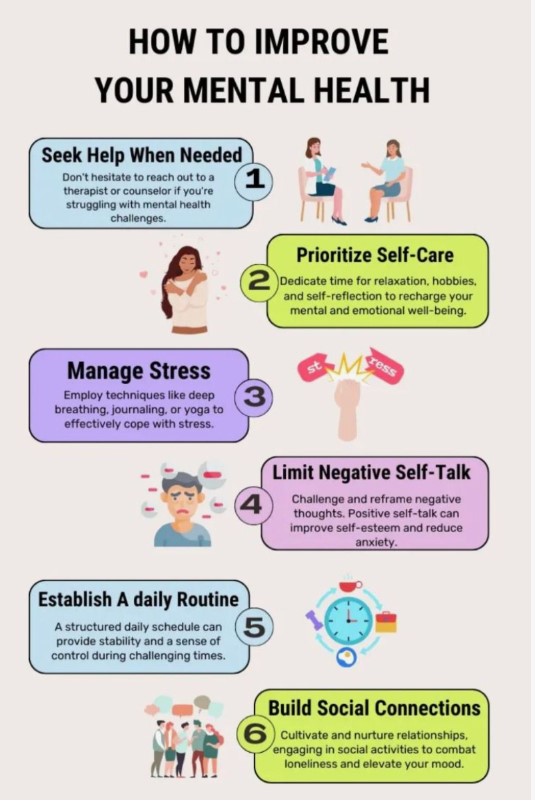
Academic success does not live in isolation from emotional wellbeing. A middle schooler who is dealing with anxiety, social stress, or low self-esteem will struggle to perform academically no matter how good their study habits are.
Middle school is emotionally intense. Friendships shift constantly. Social comparison is at an all-time high. Body changes cause insecurity. And academic expectations increase significantly.
Healthy routines that support mental health include:
- Talking to a trusted adult regularly — a parent, counselor, or teacher
- Journaling — even 5 minutes per evening helps process emotions
- Limiting social media, which consistently increases anxiety and comparison in this age group
- Practicing deep breathing or simple mindfulness techniques before tests
- Celebrating small wins — finishing a tough assignment, getting a better score, trying something new
Parents play a crucial role here. When adults model calm, structured behavior at home, children internalize those patterns. A household that runs on predictable routines sends a powerful message: life is manageable, and we can handle what comes.
Screen Time: Setting Boundaries That Actually Work
Screen time is one of the most hotly debated topics in parenting today — and for good reason. Middle schoolers are digital natives, and technology is genuinely useful for learning. But unmanaged screen time is one of the biggest threats to healthy academic routines.
The goal is not to eliminate screens. It is to make them intentional.
Practical screen boundaries that work:
- No screens during homework time — non-negotiable
- No screens for at least 1 hour before bed
- Device-free dinner to encourage real conversation and family connection
- Set daily time limits using parental controls or apps like Screen Time or Google Family Link
- Create a charging station outside the bedroom where all devices stay overnight
When screen time rules are consistent and explained with reasoning (not just enforced), most middle schoolers accept them over time.
How Parents Can Support Without Taking Over
There is a fine line between supporting a middle schooler’s academic routine and doing the work for them. The most effective parental approach is one that provides structure, encouragement, and availability — without hovering.
Some of the most impactful things parents can do:
- Create a quiet, distraction-free study environment at home
- Ask “How was studying today?” instead of “Did you finish your homework?” — the first invites conversation, the second invites a yes/no brush-off
- Attend school events and parent-teacher nights to stay informed without being intrusive
- Acknowledge effort, not just results — a student who worked hard and got a B deserves as much recognition as one who got an A without trying
- Stay curious about what your child is learning — even brief conversations about school subjects reinforce learning and show that education matters in your household.
Quick Summary
Healthy routines are the #1 driver of middle school academic success — more than any intelligence.
Key habits that matter most:
- Sleep 8–10 hours nightly — this is when the brain locks in learning
- Eat breakfast — skipping it tanks focus by mid-morning
- Study between 3:30–6:30 PM with phones out of the room
- Exercise daily — it literally improves brain function
- Use a planner — write down every assignment and test date
- Limit screens — especially 1 hour before bed
- Mental health matters — stress and anxiety block academic performance
Bottom line: Students who follow consistent daily routines show lower anxiety, better grades, and stronger long-term habits. It’s not about being perfect — it’s about showing up consistently, every day.
Building the Habits That Last a Lifetime
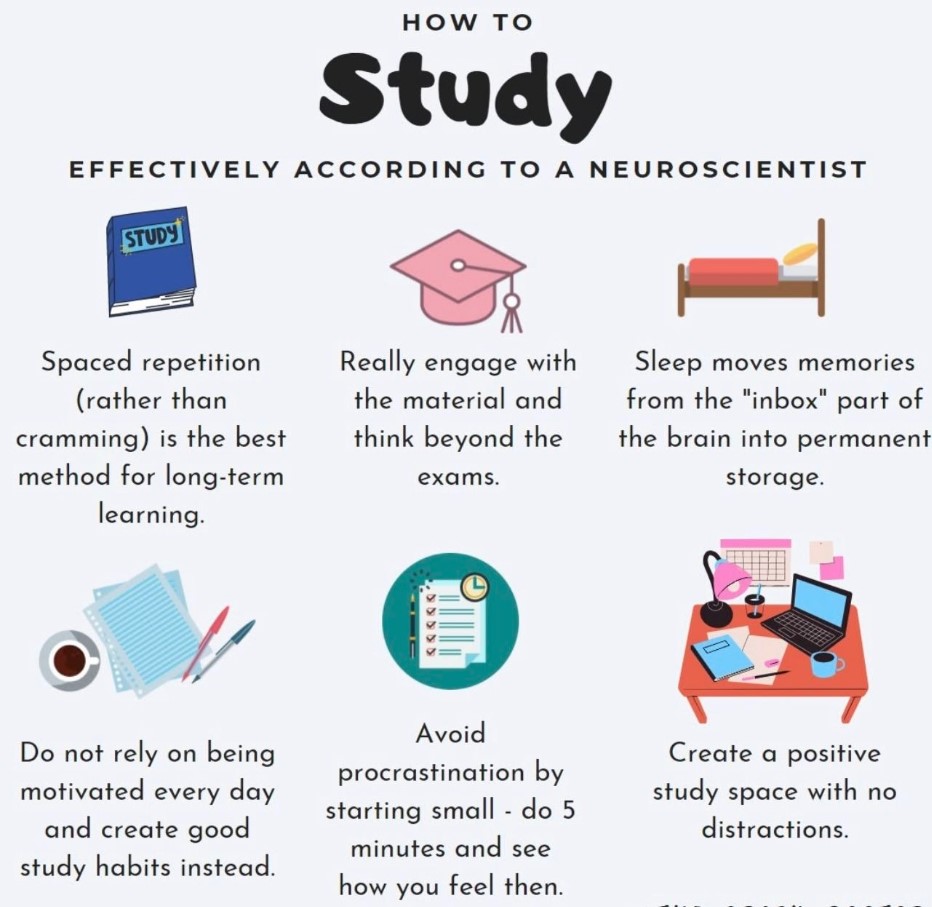
The beauty of healthy academic routines is that they do not just help a student get through middle school. They build the discipline, organization, and self-awareness that carry through high school, college, and adult life.
No routine is perfect from day one. Students will fall off track. There will be rough weeks, forgotten assignments, and nights where bedtime gets pushed too late. That is completely normal. The goal is not perfection — it is consistency over time.
Small habits practiced daily compound into remarkable results. A student who reads for 20 minutes each night will have read the equivalent of over 20 books by the end of a single school year. A student who goes to bed at the same time each night will get roughly 400 more hours of quality sleep per year than one who stays up late regularly. These numbers add up.
The middle school years pass faster than most families expect. The routines built during this time leave a lasting imprint. By investing in healthy sleep, real nutrition, physical movement, organized study habits, and emotional wellbeing, students do not just survive middle school — they emerge from it stronger, more confident, and genuinely ready for what comes next.
FAQs
How many hours of sleep does a middle schooler actually need?
Between 8 to 10 hours every night. Less than 7 hours noticeably hurts memory, focus, and test performance.
What is the best time for a middle schooler to do homework?
Between 3:30 PM and 6:30 PM — when energy and focus are still naturally high after school.
How can parents help without doing the work for their child?
Create a quiet study space, ask open-ended questions about school, attend parent-teacher nights, and praise effort over grades.
Does exercise really improve grades?
Yes. Regular physical activity increases blood flow to the brain, improves concentration, and reduces anxiety — all of which directly boost academic performance.
How do you stop a middle schooler from getting distracted by their phone during study time?
Put the phone in a different room entirely — not just face-down on the desk. Even a nearby silent phone reduces focus because the brain still anticipates notifications.