

- Mental health directly affects grades, focus, and motivation
- 50% of mental health conditions start by age 14
- Stress hormones block learning in the brain
- Watch for: grade drops, school avoidance, withdrawal
- Sleep, exercise, mindfulness improve both mood and performance
- Parental curiosity works better than pressure
- Supporting mental health = supporting academic success
Middle school is a wild ride. One day a student feels on top of the world, and the next day everything feels like it is falling apart. That emotional rollercoaster is not just normal — it is deeply connected to how well a student performs in class, how motivated they stay, and how much they actually enjoy learning.
Mental health and academic success do not exist in separate boxes. They live together, grow together, and sometimes struggle together. Understanding this connection early can change the entire story of a middle schooler’s life.
Why Middle School Is Such a Critical Time for Mental Health
Between the ages of 10 and 14, the brain goes through one of its most intense periods of change. Hormones are shifting. Social circles are becoming more complicated. Friendships feel like the most important thing in the world. At the same time, academic expectations jump significantly.
Dr. Lisa Damour, a clinical psychologist who specializes in adolescents, has written extensively about how this combination of social pressure and academic demand creates the perfect storm for anxiety and emotional burnout in young students. Her work confirms what many teachers and parents already feel in their bones — middle school is hard, and not just academically.
Research from the National Institute of Mental Health shows that 50% of all lifetime mental health conditions begin by age 14. This is not a small number. It means that the middle school years are exactly when mental health support and awareness matter the most.
The Real Connection Between Mental Health and Grades
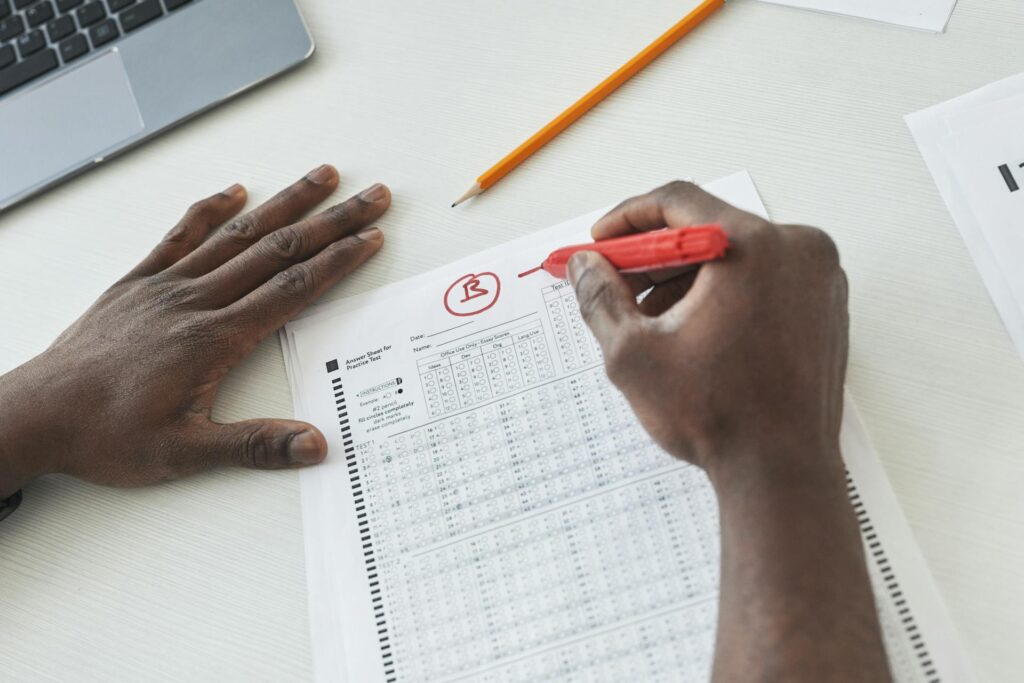
It would be easy to assume that a student who gets bad grades simply did not study hard enough. But that is rarely the full picture. A student who is dealing with anxiety, depression, chronic stress, or social isolation often cannot focus, retain information, or feel motivated to try.
Think about what happens to an adult when they are extremely stressed at work. They forget things. They make mistakes. They lose the ability to think clearly. A 12-year-old is experiencing the same neurological reality — but with far fewer tools to cope.
Cortisol, the stress hormone, is actually toxic to learning when it stays elevated for long periods. A student who worries constantly about social rejection, bullying, or family problems carries that cortisol with them into the classroom every single day. Their brain is in survival mode, not learning mode.
On the flip side, a student with good emotional regulation, strong social connections, and a sense of belonging performs measurably better. Studies from the American Psychological Association confirm that students with higher emotional wellbeing score 11 to 17 percentage points higher on standardized academic assessments than students experiencing mental health challenges.
Signs That Mental Health Is Affecting a Student’s Academic Life
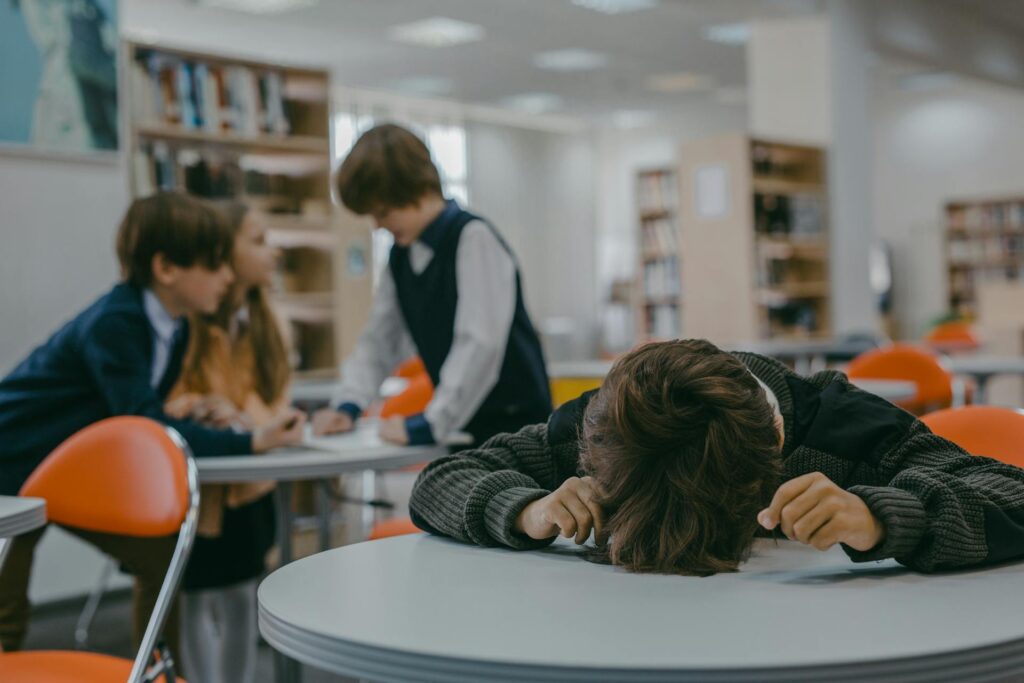
Parents and teachers are not always trained to see the early signs. Sometimes what looks like laziness or attitude is actually a cry for help. Here are some of the most common signs that a middle schooler’s mental health is hurting their academic performance.
Sudden drop in grades is one of the clearest red flags. When a student who was doing reasonably well suddenly starts failing or turning in incomplete work, something has shifted.
Avoiding school or specific classes is another signal. A student who develops regular stomachaches on Monday mornings or refuses to attend gym class because of social anxiety is communicating distress through behavior.
Withdrawal from friends and activities the student used to enjoy is often a sign of depression. When the things that once brought joy no longer do, motivation for everything — including learning — evaporates.
Perfectionism and extreme test anxiety are also forms of mental health struggle. Some students are paralyzed by the fear of failure. They over-study, lose sleep, and still feel like they are not doing enough. This kind of anxiety is exhausting and unsustainable.
Sleep problems, which often go unaddressed, directly damage cognitive function. A middle schooler who gets fewer than 8 to 10 hours of sleep per night because of anxiety or overstimulation from screens will struggle to concentrate, remember information, and regulate their emotions throughout the school day.
How Schools Can Make a Difference
Schools that treat mental health as part of their academic mission see real results. It is not about replacing academics with therapy. It is about creating an environment where students feel safe enough to actually learn.
Social-emotional learning (SEL) programs have gained a lot of attention in recent years — and for good reason. A landmark study published in the journal Child Development found that students in SEL programs showed an 11 percentile point improvement in academic achievement compared to students who did not participate in such programs. They also showed significantly lower rates of anxiety and behavioral problems.
School counselors play an enormous role. When students have access to a counselor they trust, they are more likely to ask for help before a small problem becomes a crisis. Unfortunately, the American School Counselor Association recommends a student-to-counselor ratio of 250:1, but the national average in the United States is closer to 408:1. Many schools are severely understaffed, leaving students without the support they need.
Teacher training also matters. A teacher who can recognize the signs of emotional distress, who knows how to build a relationship with a struggling student, and who communicates with warmth rather than judgment can be the difference between a student giving up and a student finding their footing again.
What Happens When Grades Slip — And How to Respond Without Making It Worse

When a student’s GPA starts to fall, the pressure at home often increases. Parents panic. Tutors get hired. Phones get taken away. But none of these responses address the root cause if the root cause is mental health.
A parent’s reaction in this moment matters enormously. Research from Stanford University on parental pressure and academic motivation shows that students who felt extreme pressure from parents about grades were significantly more likely to experience anxiety, depression, and academic burnout. Pressure that feels punitive makes the problem worse, not better.
Instead, the most effective approach is curiosity over judgment. A simple question like “What’s been feeling hardest lately?” opens the door to a real conversation. It signals to the student that they are seen as a whole person, not just a report card.
When students and parents need a starting point to understand where grades stand and what recovery might look like, tools like a junior high gpa calculator can be incredibly helpful — not as a source of pressure, but as a way to map out a realistic, step-by-step path forward without the panic.
Practical Mental Health Habits That Actually Help Academic Performance

The good news is that mental health support does not have to come from a therapist alone. There are many evidence-based habits that middle schoolers can build into their daily lives to strengthen both their emotional wellbeing and their academic performance.
Physical movement is one of the most powerful tools available. A 2019 study published in the British Journal of Sports Medicine found that 60 minutes of physical activity per day significantly reduces symptoms of anxiety and depression in adolescents while improving concentration and memory. Exercise increases BDNF (brain-derived neurotrophic factor), which is essentially a fertilizer for brain cells.
Consistent sleep schedules are non-negotiable. The brain consolidates memories and learning during sleep. A student who sacrifices sleep to study more is actually undermining their own learning. Encouraging a regular bedtime — even on weekends — makes a measurable difference.
Mindfulness and breathing exercises may sound too simple to work, but the research is clear. Even 5 to 10 minutes of focused breathing or guided mindfulness daily reduces cortisol levels, improves emotional regulation, and increases a student’s ability to focus during class.
Journaling gives students a private space to process difficult feelings without judgment. Many mental health professionals recommend it specifically for adolescents because it helps build emotional vocabulary and self-awareness — two skills that transfer directly into better communication, conflict resolution, and stress management.
Healthy peer relationships are a protective factor against depression and anxiety. Students who feel genuinely connected to at least one or two good friends tend to be more resilient in the face of academic stress. Schools that invest in community-building activities — team projects, clubs, mentorship programs — create the conditions for these friendships to form.
The Role of Parents in Supporting Both Mental Health and Academics
Parents are often the first and most important line of support. Their attitude toward both mental health and academic performance shapes how their child sees both.
Normalizing conversations about feelings is the foundation. A family culture where it is okay to say “I am struggling” — without fear of judgment or dismissal — produces students who reach out for help rather than suffering in silence.
Separating identity from achievement is equally important. A child who believes they are loved and valued regardless of their grades does not experience academic setbacks as personal catastrophes. They recover faster, try harder, and take more intellectual risks.
Monitoring without hovering is the art parents are always trying to master. Staying connected and involved in a student’s school life without creating an atmosphere of surveillance and pressure requires constant recalibration. Regular, low-stakes conversations about school — not interrogations — keep the lines of communication open.
Modeling healthy stress management sends a powerful message. When parents openly practice self-care, set limits on work, and talk honestly about their own emotions, they give their children permission to do the same.
When Professional Help Is the Right Answer
Sometimes the challenges a middle schooler faces go beyond what parents, teachers, and school counselors can address alone. Knowing when to seek professional help is not a failure — it is an act of courage and love.
Signs that it may be time to involve a mental health professional include persistent sadness lasting more than two weeks, significant changes in eating or sleeping patterns, loss of interest in almost everything, expressions of hopelessness, or any mention of self-harm or not wanting to be here.
Cognitive Behavioral Therapy (CBT) is one of the most well-researched and effective treatments for anxiety and depression in adolescents. It teaches students to identify negative thought patterns and replace them with healthier, more accurate ones. It is practical, skills-based, and has a strong track record with the 10 to 14 age group.
Many schools now offer referrals to community mental health services. Organizations like the Child Mind Institute and local community mental health centers often offer sliding scale fees so that cost is less of a barrier.
Building a Culture of Wellness in Middle School Communities

Real change happens when the whole community is involved — not just individual students or individual parents. Schools, parents, and communities can work together to create environments where mental health is treated with the same seriousness as academic achievement.
Anti-bullying programs that are actually enforced — not just posted on walls — protect students from one of the most common triggers for anxiety and academic disengagement. A student who dreads going to school because of bullying cannot learn effectively, full stop.
Reducing stigma around mental health conversations helps students feel safe enough to speak up. Classroom discussions that include mental health topics — taught with the same seriousness as physical health — gradually shift the culture.
Celebrating effort over outcomes at both the school and family level teaches students that growth matters more than perfection. A student who takes a hard class and earns a B by working their hardest has accomplished something meaningful, even if the grade does not look perfect on paper.
The Long-Term Picture: Middle School as a Foundation
Everything that happens in middle school lays the groundwork for high school, college, and beyond. The habits a student builds, the coping strategies they learn, the emotional vocabulary they develop — these are the invisible scaffolding that supports all of their future success.
A middle schooler who learns to ask for help, who builds resilience, who understands that struggling does not mean failing, who takes care of their mental health alongside their grades — that student is not just surviving middle school. They are building the foundation for a genuinely successful life.
Academic success is not just about high grades. It is about curiosity, persistence, connection, and the emotional capacity to keep going when things get hard. Mental health is not a barrier to those things. It is the soil they grow in.
Summary
- Mental health and academics are deeply connected in middle school
- Ages 10–14 bring intense brain development, hormonal changes, and social pressure
- Elevated stress hormones physically block focus, memory, and clear thinking
- Students with good emotional wellbeing score 11–17 points higher academically
- 50% of lifetime mental health conditions begin by age 14
- Warning signs include grade drops, school avoidance, withdrawal, and sleep problems
- These are often mistaken for laziness when they signal deeper distress
- SEL programs improve academic achievement by 11 percentile points
- Trusted counselors and empathetic teachers make a measurable difference
- Parents should respond with curiosity, not punishment when grades slip
- Separating a child’s identity from their grades builds resilience
- 60 minutes of daily exercise reduces anxiety and improves concentration
- Consistent sleep, mindfulness, and journaling support both mood and performance
- Strong peer friendships protect against depression and academic burnout
- CBT therapy is highly effective for anxious or depressed adolescents
- Supporting mental health is the most direct path to academic success
Final Thoughts
The conversation about mental health in middle school is not a soft one. It is one of the most important conversations families, schools, and communities can have. The data supports it. The lived experiences of millions of students confirm it. And every teacher who has watched a struggling student finally start to thrive — once they felt safe and supported — knows it in their heart.
Supporting a middle schooler’s mental health is not an alternative to supporting their academic success. It is the most direct path to it.
The students who will thrive academically in the years ahead are not necessarily the ones who studied the hardest in seventh grade. They are the ones who learned, early on, that taking care of themselves was not a luxury. It was the smartest thing they could do.
FAQs
How does mental health affect academic performance in middle school?
Poor mental health raises stress hormones that block focus, memory, and motivation. Students struggling emotionally score 11–17 points lower on academic assessments than emotionally healthy peers.
What are signs that a middle schooler’s mental health is affecting their grades?
Watch for sudden grade drops, avoiding school, withdrawing from friends, extreme perfectionism, and sleeping too little or too much. These often signal emotional distress, not laziness.
How can parents help a middle schooler struggling with both mental health and school?
Ask curious questions instead of applying pressure. Separate their worth from their grades. Encourage sleep, exercise, and open conversations. Seek professional help if sadness or anxiety persists beyond 2 weeks.
What mental health habits improve academic success in middle school?
Evidence-based habits include 60 minutes of daily exercise, consistent sleep schedules, 5–10 minutes of mindfulness, journaling, and maintaining strong friendships — all proven to boost both mood and academic focus.
When should a middle schooler see a mental health professional?
Seek help if a student shows persistent sadness for more than 2 weeks, loses interest in everything, has major changes in sleep or eating, or mentions hopelessness or self-harm. CBT therapy is highly effective for this age group.