
- Time Management – Plan tasks and deadlines before high school stops reminding you.
- Organization Skills – Keep notes, folders, and materials sorted so nothing slips through.
- Reading Comprehension – Understand and analyze what you read, not just the words.
- Basic Study Skills – Learn to study smart using recall and spaced repetition, not just rereading.
- Written Communication – Write clearly and confidently across every subject.
- Self-Advocacy – Speak up, ask for help, and own your academic challenges.
- Emotional Regulation – Manage stress and bounce back without shutting down.
- Goal Setting – Know what you are working toward and why it matters.
- Critical Thinking – Question, analyze, and form your own conclusions.
- Resilience & Growth Mindset – Fail, learn, and keep going no matter what.
Middle school is more than just a bridge between elementary and high school. It is a critical window where students begin to shape habits, attitudes, and abilities that will follow them for years. The jump from 8th grade to 9th grade feels small on paper, but in real life, it is one of the biggest transitions a young person faces. Classes get harder. Teachers expect more independence. Social dynamics shift completely.
This article looks at the 10 most important skills every middle schooler needs before stepping into high school. Each one is backed by experience, observation, and the real stories of students who either built these skills early or wished they had.
1. Time Management
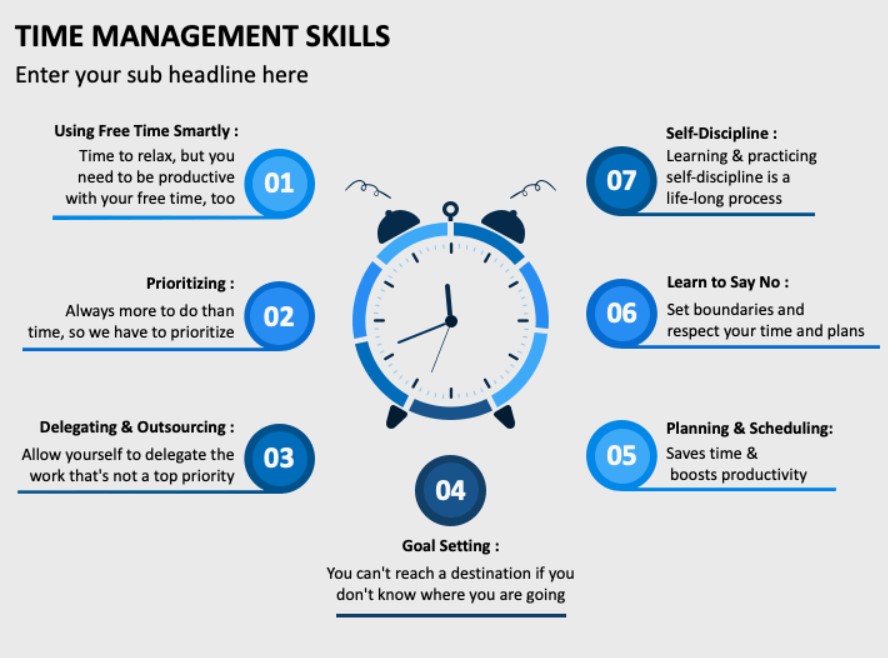
Time management is the number one skill that separates struggling high school students from successful ones. In middle school, teachers often remind students about deadlines, break assignments into steps, and check in frequently. In high school, that hand-holding largely disappears.
A student who enters high school without a reliable system for managing time will quickly fall behind. They will miss deadlines, forget assignments, and feel constantly overwhelmed. On the other hand, students who learned to use a planner, block out study time, and break big tasks into smaller chunks do significantly better.
Middle schoolers should start practicing time management by writing down every assignment and test date in a planner or digital app. Setting aside a fixed study time each day, even for just 30 to 45 minutes, builds the habit before high school demands it. The goal is not perfection. It is consistency.
2. Organization Skills
A messy backpack may seem harmless in 6th grade. In high school, disorganization can cause a student to miss important notes, lose graded work, or show up to an exam without the right materials.
Organization is about more than a tidy locker. It includes keeping digital files labeled and sorted, maintaining a clean notebook for each subject, and developing a system for returning signed papers and storing old tests for review.
One helpful habit is the “one folder per subject” rule. Every class gets its own folder or binder section. Papers go in the same place every single time. This small habit removes the daily stress of searching for materials and frees up mental energy for actual learning.
Students who build strong organizational habits in middle school arrive at high school feeling calm and in control, even when their schedule gets busy.
3. Reading Comprehension
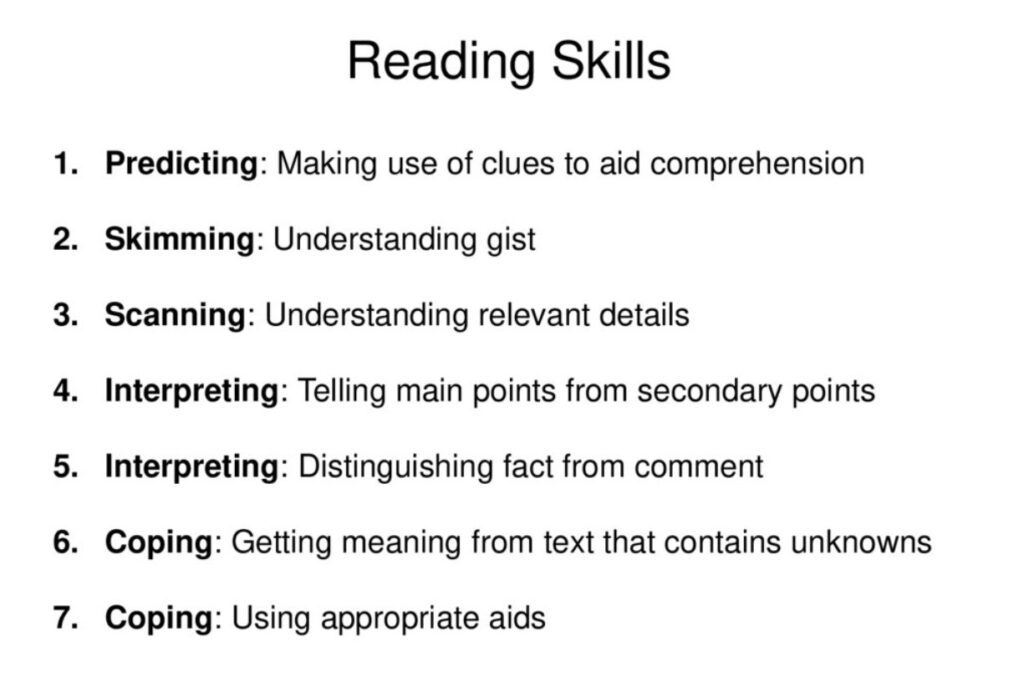
High school reading is harder, longer, and more demanding than anything most middle schoolers have experienced. Whether it is a history textbook, a literary novel, or a science article, students are expected to understand complex texts, identify key arguments, and draw their own conclusions.
Many students coast through middle school reading without ever developing real comprehension skills. They read the words but miss the meaning. In high school, that gap becomes painfully obvious.
Reading comprehension improves with practice and active engagement. Middle schoolers should read at least 20 minutes every day outside of school. Fiction, non-fiction, news articles, and even long blog posts all count. The key is to read with intention. Students should ask themselves: What is the main idea? What is the author trying to prove? What did I not understand?
Taking notes while reading is another powerful habit. It forces the brain to process information rather than just absorb it passively.
4. Basic Study Skills
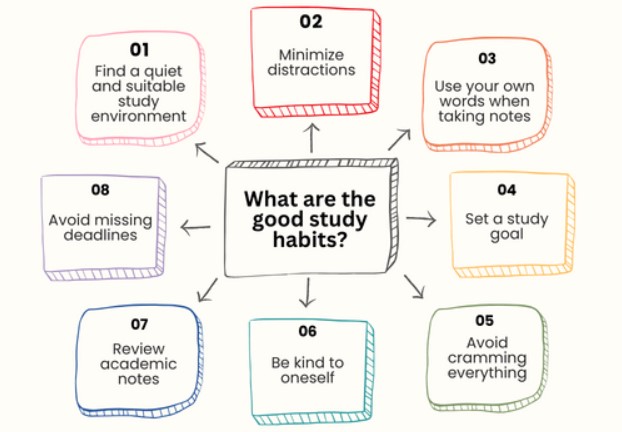
There is a big difference between doing homework and actually studying. Many middle school students never learn the difference, and it costs them dearly in high school.
Studying means reviewing material with the goal of long-term retention. It involves techniques like spaced repetition, where students revisit content over several days instead of cramming the night before and it also includes active recall, where students quiz themselves instead of just rereading notes. It means making flashcards, creating summary sheets, and explaining concepts out loud.
Research in learning science shows that students who use active study techniques retain up to 50% more information than those who simply reread their notes. Middle school is the perfect time to experiment with different study methods and find what works best personally.
Using a gpa checker middle school tool can help students track academic progress and identify which subjects need more focused study time.
5. Written Communication
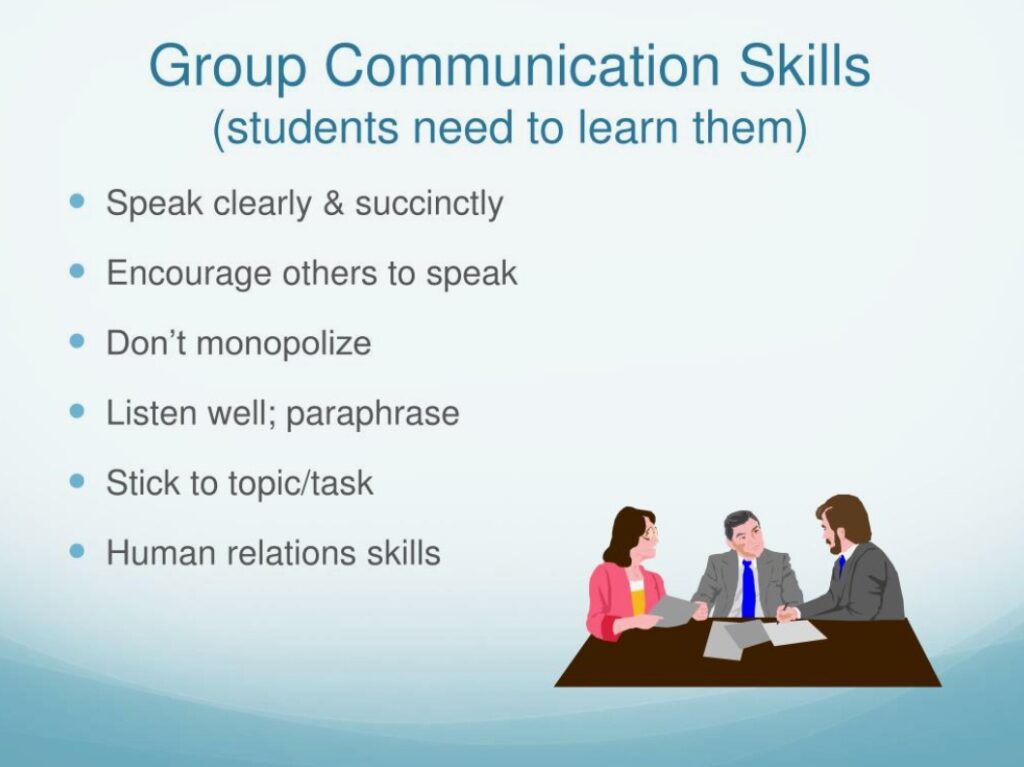
Writing is one of the most demanded skills in high school, and most students enter 9th grade unprepared for the volume and complexity of writing they will face. Essays, lab reports, research papers, reflective journals, and persuasive writing all show up in high school across multiple subjects.
The students who struggle most are the ones who never developed a clear writing process in middle school. They do not know how to plan an essay before writing it, how to revise for clarity, or how to structure an argument logically.
Middle schoolers should practice writing regularly. This does not mean only school assignments. Keeping a personal journal, writing letters, summarizing books, or even crafting detailed social media captions all build the habit of putting thoughts into clear sentences.
Strong written communication comes from writing often and revising honestly. Students should get comfortable with feedback and learn to treat editing as a normal part of the process, not a punishment.
6. Self-Advocacy
High school teachers manage more students, move faster, and have less time to notice when one person is confused or falling behind. Students who cannot speak up for themselves will quietly struggle without anyone knowing.
Self-advocacy means being able to ask for help when needed, communicate with teachers professionally, and take ownership of academic challenges. It means walking up to a teacher after class to say, “I did not understand today’s lesson. Can you explain it differently?” It means emailing a counselor when feeling overwhelmed and knowing that asking for help is a sign of strength, not weakness.
This skill starts with confidence, and confidence grows through practice. Middle school is a relatively low-stakes environment to practice self-advocacy. Students should be encouraged to ask questions in class, visit teachers during office hours, and speak up when something feels unfair or confusing.
7. Emotional Regulation
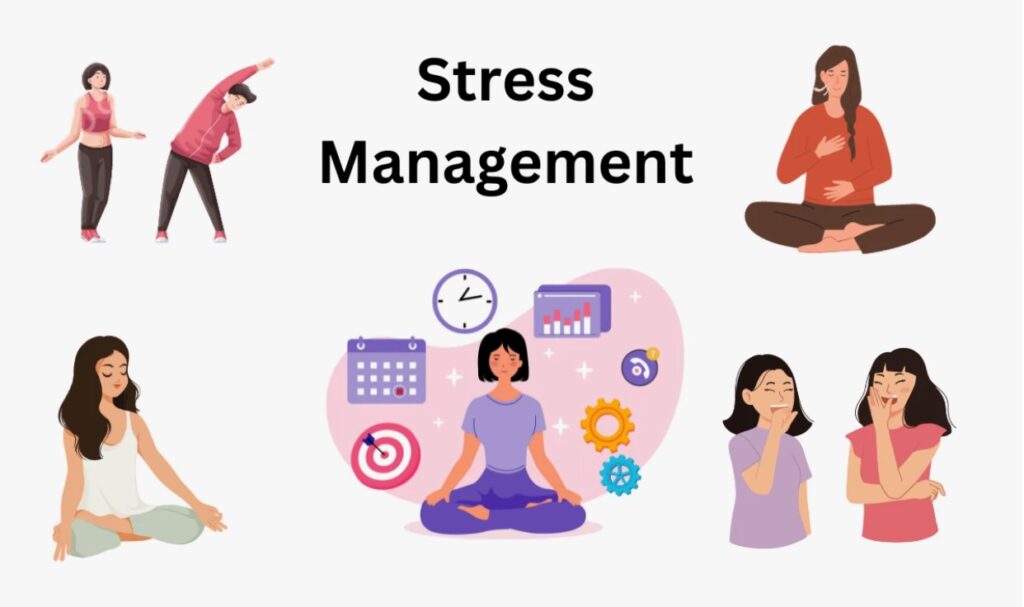
High school brings intense academic pressure, complicated friendships, social anxiety, and for many students, big life changes at home. Students who have not developed the ability to manage their emotions are far more likely to burn out, act out, or shut down entirely.
Emotional regulation does not mean suppressing feelings. It means understanding them well enough to respond rather than react. A student who knows how to calm themselves down after a stressful test, who can process disappointment without giving up, and who can navigate conflict without escalating it, will have a significant advantage in high school and beyond.
Middle schoolers can build this skill by practicing mindfulness for even 5 minutes a day, journaling about their feelings, talking openly with trusted adults, and learning to identify the physical signs of stress before it becomes overwhelming.
Research shows that students with strong emotional regulation skills have higher academic performance, better relationships, and lower dropout rates.
8. Goal Setting
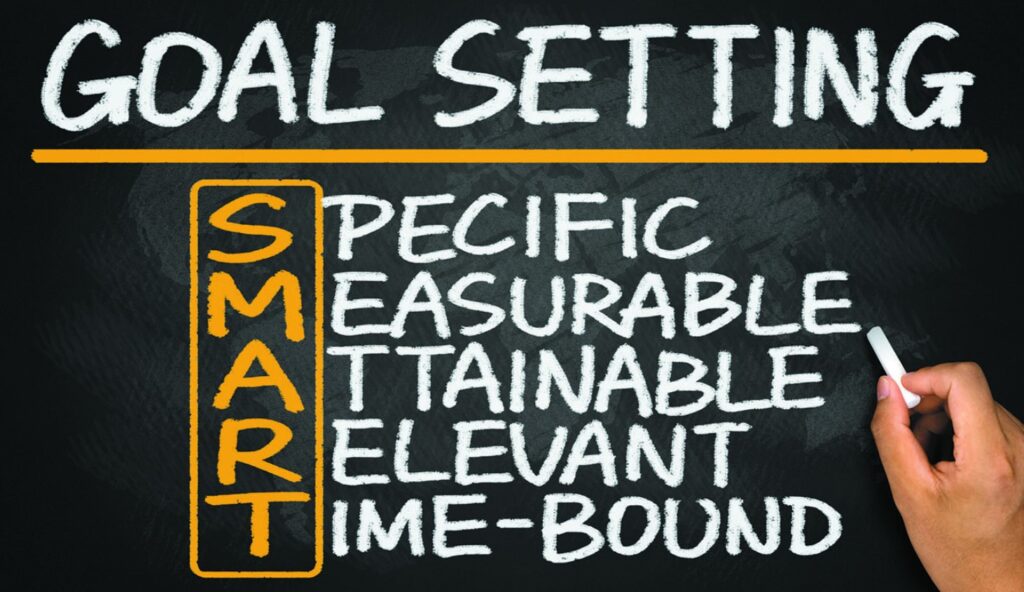
Students who enter high school without any sense of direction tend to drift. They take whatever courses are easiest, put in the minimum effort, and arrive at 11th or 12th grade suddenly panicked about college applications with no clear story to tell.
Goal setting gives a student purpose. It connects daily effort to a bigger vision. A student who knows they want to study engineering sets different priorities than one who is just trying to get through the week.
In middle school, students should practice setting short-term, medium-term, and long-term goals. A short-term goal might be earning a B or higher on the next math test. A medium-term goal might be making the school sports team. A long-term goal might be getting into a specific high school program. Writing goals down and reviewing them regularly makes them real.
Even if the goals change, the habit of thinking ahead and working toward something meaningful is invaluable.
9. Critical Thinking
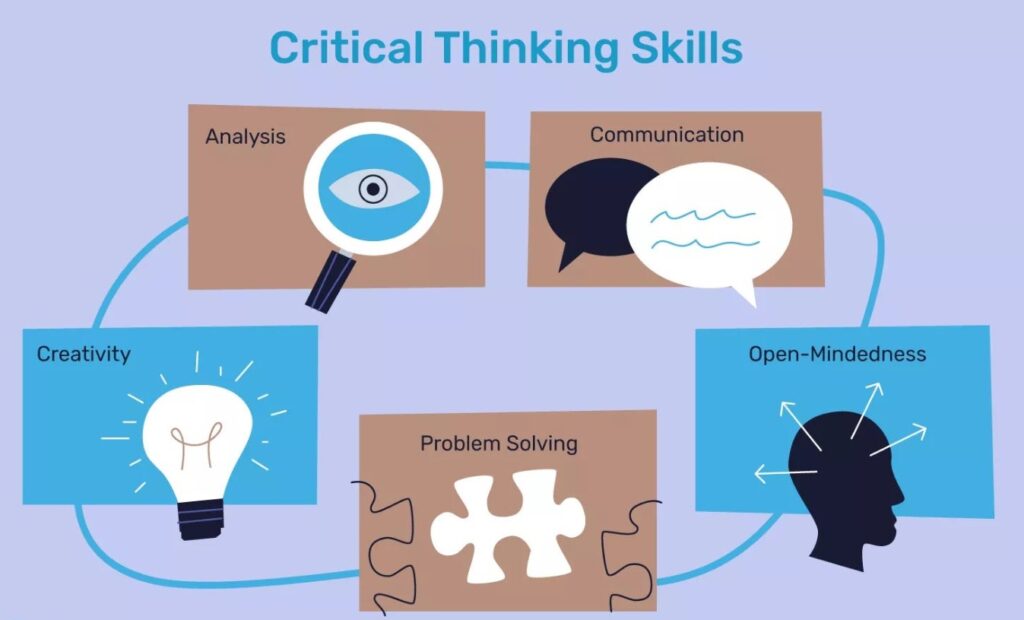
High school is not just about absorbing information. It is about questioning it, analyzing it, and forming an independent perspective. Whether it is evaluating a historical source, debating a scientific hypothesis, or interpreting a poem, high school constantly asks students to think critically.
Middle schoolers can build this skill by asking “why” more often. Why did this historical event happen the way it did? and why is this math formula designed this way? Why does the author use this specific word here? Digging past the surface of information develops the analytical muscle that high school academics demand.
Debate, puzzles, strategy games, and even dinner table conversations about current events all build critical thinking in a natural, low-pressure way. Students who enter high school already comfortable with analysis and questioning tend to perform at a much higher level than those who are used to simply memorizing facts.
10. Resilience and Growth Mindset
Perhaps the most important skill of all is the ability to fail and keep going. High school is hard. Students will get bad grades, face rejection, deal with social difficulties, and experience failure in a dozen different ways. The students who come out stronger are not the ones who avoided failure. They are the ones who knew how to respond to it.
Resilience is built by experience. Middle school should not be a place where students are protected from all difficulty. It should be a place where they learn to handle difficulty at a manageable level, so they are ready for the bigger challenges ahead.
A growth mindset, a concept developed by psychologist Carol Dweck, is the belief that abilities can be developed through dedication and hard work. Students with a growth mindset respond to failure by asking what they can learn from it. Students with a fixed mindset believe their abilities are locked in and give up when they struggle.
Research from Stanford University shows that students who develop a growth mindset in their early teens perform significantly better throughout high school and college. Middle schoolers can cultivate this mindset by reframing failure as feedback, celebrating effort over results, and surrounding themselves with people who push them to grow.
Why These Skills Matter More Than Grades
It is tempting to measure middle school success entirely through grades and test scores. But grades are only a partial picture. A student can earn straight A’s in middle school through pure memorization and still fall apart when high school demands deeper thinking and self-direction.
The 10 skills covered in this article are what actually prepare a student for the real demands of high school. They are the foundation under everything else. Time management helps grades. Organization prevents failure. Resilience keeps students going when grades slip. Communication opens doors that grades alone cannot.
Parents and educators play a vital role in helping middle schoolers build these skills. Not by doing the work for them, but by creating the conditions where students can practice, struggle, reflect, and grow.
Summary
- Time Management – Students must learn to plan ahead, use planners, and set fixed study times daily. High school teachers stop reminding students about deadlines, so this habit must be built early.
- Organization Skills – Keeping folders, notebooks, and digital files sorted by subject prevents lost work and daily stress. The “one folder per subject” rule is a simple but powerful system.
- Reading Comprehension – Reading at least 20 minutes daily builds the ability to understand complex texts. Students should read actively by asking questions and taking notes while reading.
- Basic Study Skills – There is a big difference between doing homework and actually studying. Techniques like spaced repetition and active recall help students retain up to 50% more information.
- Written Communication – High school demands essays, reports, and research papers across every subject. Students who practice writing regularly and embrace editing arrive far more prepared.
- Self-Advocacy – High school teachers have less time for individual students. Speaking up, asking questions, and communicating with teachers professionally is a skill that must be practiced in middle school.
- Emotional Regulation – Managing stress, processing failure, and staying calm under pressure directly impacts academic performance. Even 5 minutes of daily mindfulness builds this skill over time.
- Goal Setting – Students without direction drift through high school. Setting short-term, medium-term, and long-term goals gives daily effort a clear purpose and keeps motivation strong.
- Critical Thinking – High school expects students to analyze, question, and form independent opinions. Asking “why” regularly and engaging in debate or strategy builds this analytical habit naturally.
- Resilience and Growth Mindset – Research from Stanford University shows students with a growth mindset perform significantly better in high school and college. Treating failure as feedback rather than defeat is the most powerful mindset shift a middle schooler can make.
Final Thoughts
The best gift a middle schooler can give their future self is time spent building these skills before high school begins. Not every student will master all 10 skills perfectly. That is not the goal. The goal is awareness, practice, and a genuine commitment to growth.
Students who walk into 9th grade already thinking about time management, emotional health, and goal setting are miles ahead of their peers. They are not smarter. They are simply more prepared. And in high school, preparation is everything.
Middle school flies by fast. Every year, every semester, and every assignment is a chance to build the kind of person who thrives when things get hard. Start now, because high school will not wait.
FAQs
What skills do middle school students need for high school?
Middle school students need time management, organization, reading comprehension, study skills, written communication, self-advocacy, emotional regulation, goal setting, critical thinking, and resilience. These skills prepare students for the independence and pressure that high school demands.
How can a middle schooler prepare for high school academically?
A middle schooler can prepare academically by building a daily study routine, practicing active reading, improving writing skills, and using tools like planners and spaced repetition techniques. Starting these habits early makes the transition to high school significantly smoother.
Why is resilience important for middle school students?
Resilience helps middle school students recover from failure, handle academic pressure, and stay motivated when things get hard. Research from Stanford University shows that students with a growth mindset perform significantly better throughout high school and college.
How does emotional regulation affect academic performance in students?
Students with strong emotional regulation skills show higher academic performance, healthier relationships, and lower dropout rates. Managing stress and processing difficult emotions allows students to stay focused and make better decisions in and out of the classroom.
What is the most important skill for high school success?
While all 10 skills matter, time management is consistently ranked as the most critical. High school removes the reminders and structure that middle school provides, so students who already manage their time independently are far better positioned to succeed from day one.