

- Build a weekly schedule — map out study time and free time
- Prioritize big tasks first — tackle high-value work before easy stuff
- Treat free time like an appointment — schedule it, protect it
- Use the 2-Minute Rule — small tasks done immediately, don’t let them pile up
- Create a distraction-free study zone — phone in another room, quiet space
- Learn to say no — don’t overcommit to clubs and social events
- Use the Pomodoro Technique — 25 min study, 5 min break, repeat
- Talk to teachers early — don’t wait until the night before
- Protect sleep — aim for 8 to 10 hours every night
- Do a weekly review — every Sunday, adjust the plan for the week ahead
Middle school is one of the most exciting — and overwhelming — phases of a young person’s life. New subjects, new teachers, new social circles, and a whole lot more homework than elementary school ever prepared anyone for. Many students find themselves buried under textbooks on Monday and completely burnt out by Friday. Some give up on hobbies. Others start dreading Sunday evenings. A few fall so far behind that catching up feels impossible.
This article shares 10 proven, experience-based tips that actually work for middle schoolers who want to stay on top of their grades without giving up their hobbies, friendships, and downtime. These are not generic pieces of advice pulled from a textbook. They come from real patterns seen in students who successfully managed both sides of the equation — and from the honest lessons of those who struggled before they found their footing.
Why Balance Matters More Than People Think
Before jumping into the tips, it is important to understand why balance is not just a “nice to have” — it is a necessity.
When 13-year-old Maya started seventh grade, she thought the only way to succeed was to study every single evening. She skipped her dance classes, stopped going to the park with friends, and spent every weekend reviewing notes. By November, she was exhausted, anxious, and ironically getting worse grades than before. Her concentration had dropped. Her motivation had dried up. She was doing everything “right” and still falling behind.
Her story is more common than most parents and teachers realize. Students who sacrifice all their free time in the name of studying often end up burning out faster than those who take a balanced approach.
Research consistently shows that students who take regular breaks, enjoy hobbies, and maintain a social life actually perform better academically than those who grind endlessly. The brain needs rest to process and retain information. Free time is not the enemy of good grades — it is actually one of the key ingredients. Physical activity boosts memory. Social connection reduces stress hormones. Creative hobbies build problem-solving skills that transfer directly into the classroom.
Understanding this truth is the first step. The tips below are the second.
Tip 1: Build a Weekly Schedule (And Actually Use It)

One of the most powerful habits a middle schooler can develop is building a weekly schedule. This does not mean filling every hour with tasks. It means creating a visual map of the week so that both schoolwork and free time have a dedicated, protected place.
Jake, a sixth grader from Ohio, started using a simple paper planner at the beginning of the school year. He color-coded his study blocks in blue and his free time in green. Within 3 weeks, he stopped feeling guilty during free time because he could see clearly that his work was already covered. He also stopped panicking at night because he knew exactly what was coming up the next day.
A good weekly schedule should include:
- Fixed school hours and after-school homework windows
- Dedicated free time blocks that are non-negotiable and treated like appointments
- Buffer time for unexpected assignments, last-minute projects, or longer-than-expected tasks
- Weekend balance between catching up, resting, and doing something enjoyable
The key is consistency. A schedule only works when it is followed most of the time — not just when it feels convenient. Missing one day is fine. The habit is what matters over weeks and months.
Tip 2: Prioritize Tasks Using the “Big Rocks” Method
Not all homework is created equal. A 10-point quiz and a 100-point essay should not receive the same amount of urgency or energy. Successful middle school students learn early how to prioritize what actually moves the needle.
The “Big Rocks” method is simple. At the start of each day or week, students identify their 3 most important tasks — the ones that will have the biggest impact on their grades or long-term understanding. These get done first, no matter what. Everything else fills in around them.
Sofia, an eighth grader in California, used to spend an hour every evening on easy worksheets and then rush through her reading assignments right before bed. Once she flipped the order and tackled the harder, higher-stakes work first, she found she had more free time in the evening and felt less stressed overall. Easier tasks at the end of a session feel like a reward, not a burden.
Using a grade calculator middle school tool can also help students figure out exactly which assignments carry the most weight, so they can direct their energy where it matters most rather than treating every task as equally urgent.
One important note: avoid the trap of always doing what is easiest first. Easy tasks give a false sense of productivity while the important work keeps getting pushed back. Big rocks first — always.
Tip 3: Treat Free Time Like an Appointment
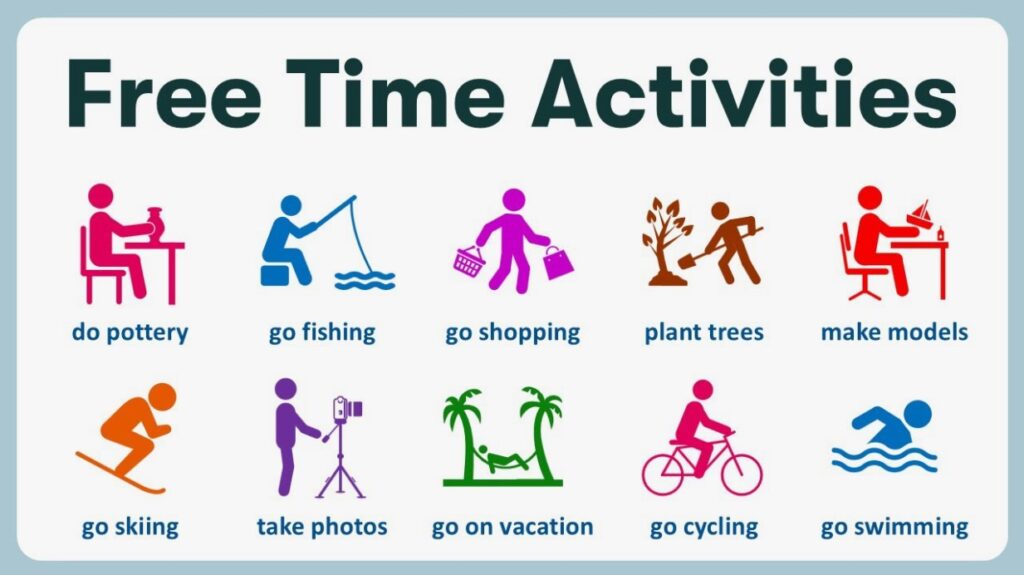
Here is a mistake many middle schoolers make — they treat free time as something that happens “if there is time left over.” That approach almost never works. There is almost always something else to study, review, or prepare. If free time depends on finishing everything first, it will rarely arrive.
The smarter approach is to schedule free time like an appointment. Block it out on the calendar. Protect it deliberately. Honor it the same way a student would honor a scheduled exam or club meeting.
When Liam, a seventh grader, started scheduling 1.5 hours of free time every evening from 6:00 PM to 7:30 PM, something surprising happened. He became noticeably more focused during his study hours because he knew a real reward was waiting at the end. His grades stayed consistent, but his stress levels dropped significantly and he started genuinely enjoying his evenings again — instead of feeling guilty no matter what he was doing.
Scheduled free time teaches a critical life skill: self-regulation. Students learn that they can enjoy themselves without guilt and return to work without resentment. That mental separation between work mode and rest mode is something even many adults struggle to achieve.
Tip 4: Use the “2-Minute Rule” to Avoid Procrastination
Procrastination is the number one enemy of balance. When students put off schoolwork, it piles up quickly and eventually swallows all their free time in one long, stressful crunch session. The work was always there — it just waited until the worst possible moment to demand attention.
The 2-Minute Rule is a simple and remarkably effective fix. If a task takes less than 2 minutes to complete — answering a clarifying email to a teacher, writing down a due date in a planner, reviewing one page of notes — do it immediately. Do not let small tasks pile up into a mental backlog.
This rule comes from well-established productivity research and works especially well for middle schoolers because small tasks are often the ones that create the most mental clutter. A student might spend more mental energy dreading a small task than actually completing it. Getting them done quickly frees up cognitive space and emotional energy for the bigger, more meaningful challenges on the list.
The 2-Minute Rule also builds momentum. Completing even tiny tasks creates a sense of forward progress that makes starting the next task easier.
Tip 5: Create a Distraction-Free Study Zone

The environment where a student studies has a massive impact on how long it actually takes to get work done. A student studying in front of the TV with a phone buzzing every few minutes might take 3 hours to complete what could easily be finished in 45 focused minutes in a quiet space.
This is not about willpower — it is about environment design. Even the most disciplined adults struggle to focus in chaotic surroundings. Expecting a 12 or 13-year-old to focus deeply in a room full of distractions is simply unrealistic.
Encourage middle schoolers to identify or create a dedicated study zone. This could be:
- A desk in their bedroom with the phone placed in another room during study time
- A quiet corner of the local library on weekday afternoons
- A kitchen table after dinner when the household has settled down
- A school library directly after school before heading home
Amara, an eighth grader in Texas, started doing her homework at the dining table every day from 4:00 PM to 5:30 PM with her phone charging in the bedroom. She consistently finished her work in roughly half the time she previously spent. That freed up her entire evening for friends, hobbies, and rest — without cutting any corners on quality.
The golden rule: study space and play space should be different spaces. When the brain associates a specific location with focused work, it enters that mode faster and stays there longer.
Tip 6: Learn to Say No (Even to Fun Things Sometimes)
This tip is one of the hardest — especially for social, energetic middle schoolers who want to experience everything at once. But learning to say no to certain activities is a vital skill for maintaining long-term balance.
Not every sleepover, gaming session, or spontaneous hangout needs to happen on a school night. Not every extracurricular activity needs to be joined at the same time. Overcommitting socially and extracurricularly is just as damaging as over-studying.
Ethan joined 4 extracurricular clubs in sixth grade because he was genuinely excited about everything his school offered. By mid-semester, he was exhausted, skipping homework to make club meetings, and failing 2 subjects. He had to drop 2 clubs mid-year — which was painful and embarrassing — when the problem could have been avoided entirely. If he had started with 2 commitments and added more later, he would have enjoyed everything more sustainably.
A helpful question to ask before adding any new commitment is: “Can I fit this in without taking time away from schoolwork, sleep, or already-scheduled free time?” If the honest answer is no — it is completely okay, and genuinely wise, to pass for now. There will always be another season, another opportunity, another invitation.
Saying no occasionally is not missing out. It is protecting the ability to show up fully for the things that matter most.
Tip 7: Take Smart Breaks Using the Pomodoro Technique

Working for 2 or 3 hours straight without a break is not productive — it is counterproductive. The brain is not designed for sustained, unbroken concentration over long periods. Pushing through exhaustion leads to declining quality, poor retention, and growing resentment toward studying.
The Pomodoro Technique is a time-management method that works brilliantly for middle schoolers because it turns long homework sessions into manageable, structured sprints.
Here is exactly how it works:
- Study with complete focus for 25 minutes — no phone, no side conversations
- Take a genuine 5-minute break — stand up, stretch, get water, look out a window
- Repeat the cycle 4 times
- After 4 full cycles, reward yourself with a longer 15 to 20-minute break
This technique aligns with how the human brain naturally operates. Attention and deep focus peak and then dip roughly every 25 to 30 minutes. Forcing concentration beyond that point produces diminishing returns — the student is sitting at the desk but not actually learning.
Priya, a seventh grader, started using this method for her math homework after struggling to concentrate for long stretches. Instead of sitting at her desk for 2 miserable hours, she completed the same amount of work in 4 structured cycles with enjoyable breaks in between. The work felt more manageable, she made fewer careless errors, and she retained more of what she studied when tested later.
During short breaks, students should move their bodies, drink water, or step outside briefly. Scrolling through social media during a 5-minute break is tempting but counterproductive — screens make it significantly harder to re-engage with focused work afterward.
Tip 8: Communicate With Teachers Early
One of the most underrated habits of academically balanced middle schoolers is proactive communication with teachers. When a student does not understand an assignment, waits until the night before a deadline to ask for help, or suffers silently through confusion — the result is always more stress, more wasted time, and less free time in the evenings.
Teachers genuinely want their students to succeed. The vast majority respond warmly and helpfully to students who approach them early and honestly with questions or concerns.
A student who says to a teacher: “I have been working on this project but I am really stuck on the research section — could I get some guidance after class?” will almost always receive helpful direction. That 10-minute conversation can save 2 or 3 hours of confused, frustrated work at home.
Middle schoolers who communicate well with teachers tend to spend significantly less time confused at home and significantly more time enjoying their evenings — because they resolve problems at the source rather than guessing their way through assignments and doing them twice.
This habit also builds relationships with teachers that pay dividends all year. Teachers who know a student is engaged and trying are more likely to offer extra support, flexibility, and encouragement when it matters most.
Tip 9: Protect Sleep Like It Is the Most Important Subject

No tip on this list matters if a student is running on 5 or 6 hours of sleep. Sleep is not a luxury or a reward for finishing all the work — it is the biological foundation on which everything else is built. Study skills, time management, and smart scheduling all collapse without adequate rest underneath them.
The American Academy of Sleep Medicine recommends that teenagers aged 13 to 18 get 8 to 10 hours of sleep per night. Most middle schoolers fall significantly short of this recommendation. The consequences are severe and well-documented: poor concentration, emotional instability, weaker memory consolidation, slower problem-solving, and increased anxiety.
Daniel, a sixth grader, was regularly staying up until midnight on school nights because he kept pushing homework to the evening, getting distracted, and then scrambling to finish late at night. Once his parents helped him establish a firm 9:30 PM bedtime and moved homework to the period right after school, everything changed. He woke up sharper, completed assignments faster, retained more from his classes, and had genuine energy for after-school activities. His grades improved measurably within 2 months — not because he studied more, but because his rested brain worked better.
Sleep is not a sacrifice students make to squeeze out extra study time. It is the single most powerful cognitive enhancer available to a middle schooler — and it is completely free.
Tip 10: Review and Adjust the Plan Every Week
Balance is not something a student sets up once in September and then forgets about. It is a living system that requires regular check-ins and honest adjustments as the school year evolves, subjects get harder, and schedules shift.
Every Sunday evening, students should invest just 10 to 15 minutes in a simple weekly review by asking themselves:
- What worked well this week?
- What felt too rushed, too stressful, or out of control?
- Did I genuinely have enough free time — or did I sacrifice it?
- Are any big tests, projects, or deadlines coming up that need extra preparation time?
- Is there anything I should have said no to — or should say yes to next week?
This weekly review keeps students ahead of problems before they grow into crises. It also gives young people a meaningful sense of ownership and agency over their own time — which is deeply motivating and builds genuine confidence.
Zoe, an eighth grader preparing for the transition to high school, started doing a Sunday review every week in seventh grade. By the time she reached eighth grade, she had developed such strong time-awareness and planning instincts that balancing school, a part-time volunteer commitment, and her art hobby felt almost effortless. She credits the weekly check-in habit as the single most useful practice she built in all of middle school.
Bonus: Small Habits That Make a Surprisingly Big Difference
Beyond the 10 core tips, a few additional habits consistently show up in the lives of students who manage balance well:
Stay hydrated throughout the day. Dehydration — even mild dehydration — causes fatigue, poor concentration, and headaches. Keeping a water bottle at the study desk is one of the simplest and most underrated productivity habits available.
Use a physical planner or whiteboard. Digital tools have their place, but writing things down by hand creates stronger memory encoding and a greater sense of personal commitment. There is something powerful about physically crossing a completed task off a list.
Celebrate small wins genuinely. Finished a tough chapter? Turned in a project two days early? Got a better score than last time? Acknowledge it. Positive reinforcement keeps motivation healthy and sustainable over long school years.
Talk to someone when feeling overwhelmed. Whether it is a parent, a trusted teacher, or a school counselor — sharing stress out loud almost always makes it feel smaller and more manageable. Middle school is designed to be navigated with support, not endured in silence. Asking for help is a sign of self-awareness, not weakness.
Limit social media during school nights. Studies consistently show that social media use in the evening disrupts sleep quality and attention spans. Even 30 minutes less of scrolling on a school night can meaningfully improve the next morning’s focus.
Summary
- Planning is everything — A weekly schedule that includes both study blocks and free time prevents stress and last-minute panic
- Not all tasks are equal — High-value, high-weight assignments should always come before easy, low-stakes work
- Free time is non-negotiable — It must be scheduled and protected, not treated as leftover time after everything else
- Small tasks kill focus — Using the 2-Minute Rule clears mental clutter and keeps the to-do list from growing out of control
- Environment shapes performance — A quiet, phone-free study space can cut homework time in half
- Overcommitting is a real danger — Saying no to extra clubs, events, or activities on school nights protects long-term balance
- The brain needs breaks — The Pomodoro Technique (25 minutes on, 5 minutes off) matches how human attention naturally works
- Teachers are a resource — Asking for help early saves hours of confused, unproductive work at home
- Sleep is the foundation — Without 8 to 10 hours of sleep, every other tip on this list becomes less effective
- Balance needs regular adjustment — A quick 10 to 15 minute Sunday review keeps the system working as school demands change
- Bonus habits matter too — Staying hydrated, limiting social media on school nights, and celebrating small wins all add up over time
Final Thoughts
Balancing schoolwork and free time in middle school is not about being perfect. It is not about having the most color-coded planner or the strictest routine. It is about being intentional — making deliberate choices about time and energy rather than letting the days happen by accident.
Students who build these habits early — how to plan a week, prioritize what matters, protect their rest, communicate proactively, and check in regularly with themselves — carry these skills far beyond middle school. They enter high school steadier. They handle pressure better. They know themselves more clearly.
The goal is not to extract every drop of productivity from every waking hour. The goal is to feel genuinely in control, to actually enjoy the middle school years while they are happening, and to build a foundation strong enough to support the more demanding years ahead.
Balance is not luck. It is not a personality trait some students are born with. It is a skill. And like every skill worth having, it gets stronger, smarter, and more natural with consistent practice.
FAQs
How many hours should a middle schooler study per day?
Most middle schoolers need 1 to 2 hours of focused study per day depending on grade level and upcoming tests. Quality matters more than quantity — 45 focused minutes beats 3 distracted hours every time.
How do middle schoolers manage their time effectively?
The most effective method is building a weekly schedule that blocks out both study time and free time, tackling high-priority tasks first, and doing a quick Sunday review to adjust the plan for the coming week.
Is it okay for middle schoolers to have free time every day?
Absolutely yes. Daily free time is not a reward — it is a necessity. Students who rest, play, and socialize regularly perform better academically than those who study without breaks.
What is the best study technique for middle school students?
The Pomodoro Technique — studying for 25 minutes then taking a 5-minute break — is one of the most effective and research-backed methods for middle schoolers because it matches the brain’s natural attention cycle.
How do you stop procrastinating in middle school?
Start with the 2-Minute Rule — any task that takes less than 2 minutes gets done immediately. Then tackle the biggest, hardest assignment first before motivation fades. A distraction-free study space removes the temptation to delay.