

- Create a dedicated study spot – desk, hard chair, no phone. Use it only for schoolwork.
- Time block your calendar – schedule specific hours for each course every week. Treat them like real classes.
- Show up actively – take notes during videos, reply to discussion posts, join office hours.
- Never rely on rewatching lectures – take good notes the first time. Review them within 24 hours.
- Use instructor feedback – copy comments into a document. Fix repeated mistakes before the next assignment.
- Stay organized with simple tools – Google Calendar + Drive + a to-do list. Name files clearly.
- Beat procrastination with the two‑minute rule – just open the assignment and write one sentence. Starting is the hardest part.
- Build a support network – start a study group chat with classmates. Share notes and reminders.
- Take care of your body – sleep 8 hours, eat real food, move daily. Your brain needs it.
- Track your grades weekly – check every class average. Fix weak spots early, not at the end.
- Ask for help early – email your instructor within 3 days of confusion. Be specific about what you don’t understand.
- Build a buffer – finish assignments 24 hours early. Keep a catch‑up day each week for emergencies.
Online learning gives you freedom, but that freedom often comes with a hidden price tag. Without a teacher physically present, many students watch their grades slip simply because they lose structure. Yet some learners thrive. They consistently pull A’s and B’s while others struggle to pass. What do they do differently?
The answer isn’t genius-level intelligence. It’s smart habits, intentional routines, and a clear understanding of how online classes actually work.
This article walks through real, experience‑based strategies that help students protect and raise their GPA in digital classrooms. You will find simple language, active advice, and no fluff. Let’s get into it.
Why Online Learning Hurts Some GPAs (And Helps Others)

A student named Marcus thought online classes would be easier. No commute, no early bells, no sitting through long lectures. But after his first semester, his GPA dropped a full point. He missed deadlines, forgot discussion posts, and bombed open‑book exams because he never actually studied the material.
Marcus’s story is common. Online environments demand self‑discipline that traditional schools build into their daily schedule. When that external structure disappears, your GPA can fall fast. However, students who recognize this gap and build their own systems do more than survive—they excel.
The key difference comes down to three things: organization, communication, and consistency. This article breaks each one into actionable steps.
1. Build a Dedicated Study Space That Actually Works
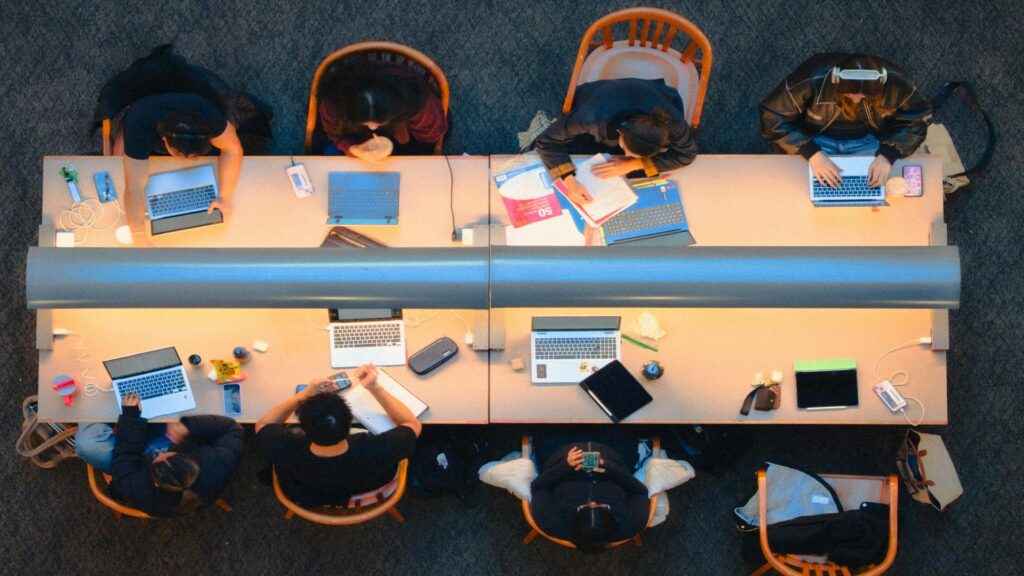
Your environment shapes your focus. A student named Jenna used to do her online coursework from bed. She told herself it was comfortable and convenient. But she constantly felt drowsy, got distracted by her phone, and took twice as long to finish assignments. Her grades showed the struggle.
After moving to a small desk in the corner of her living room, everything changed. She kept only her laptop, a notebook, and a water bottle on the surface. No phone within reach. Within two weeks, her quiz scores jumped by 15%.
What a high‑performing study space includes:
- A hard chair (not a couch or bed)
- Good lighting (natural light works best)
- Noise control (headphones or a quiet room)
- Supplies within arm’s reach (pens, sticky notes, charger)
- A visible clock or timer
Your brain builds a mental link between that space and focused work. Use the same spot every day. Enter it only for school tasks. Leave when you finish. This simple boundary protects your GPA by training your focus.
2. Master Time Management Before It Masters You
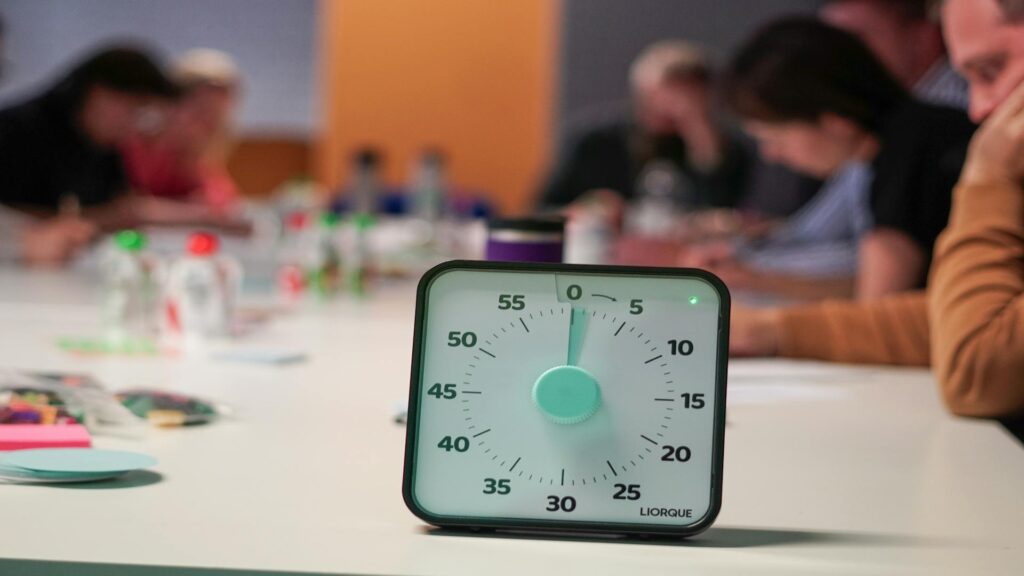
Online courses don’t come with a bell that tells you to start. You must create your own schedule. A learner named David learned this the hard way. He waited until Sunday night to do a week’s worth of work. He felt rushed, turned in sloppy assignments, and often missed small but important tasks like replying to classmates.
Then he tried time blocking. Every Sunday evening, he opened his calendar and assigned specific hours to each course. He treated those blocks as non‑negotiable appointments. Monday 10 AM to 12 PM: watch lecture videos. Tuesday 2 PM to 3 PM: discussion posts. Wednesday 7 PM to 9 PM: research for the big paper.
Within a month, David finished work early, submitted cleaner assignments, and raised his GPA from a 2.8 to a 3.5.
Active steps to control your time:
- Write down every deadline from every syllabus on one master calendar
- Work backwards from due dates (finish a draft three days early)
- Set phone alerts for two days before each major deadline
- Break large projects into tiny tasks (don’t write “study”—write “review chapter 4 notes for 25 minutes”)
- Use a timer for focused work sessions (try 45 minutes on, 15 minutes off)
Do not rely on memory. Memory fails. Your calendar does not.
3. Show Up Actively (Even When No One Takes Attendance)
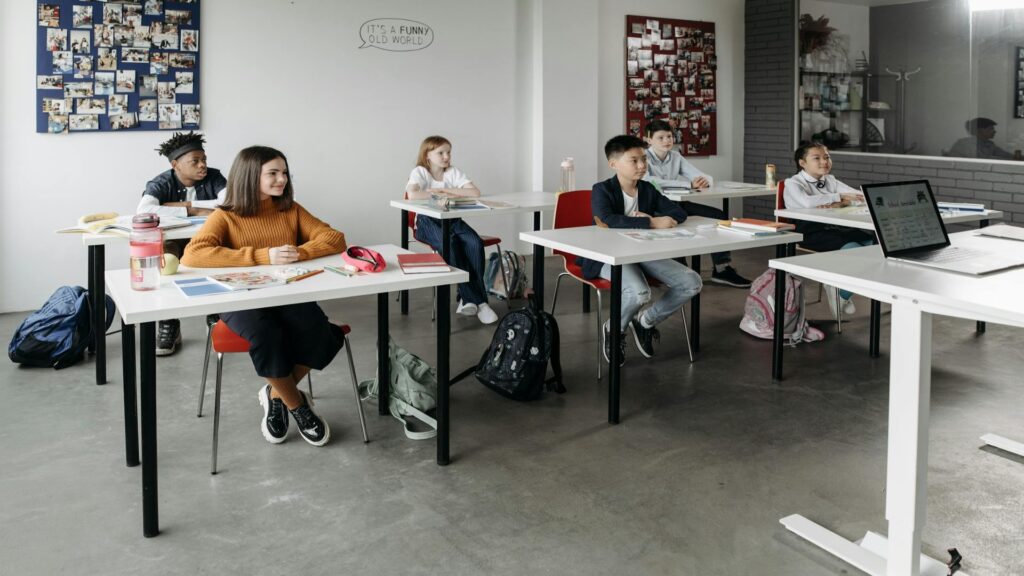
In a physical classroom, the teacher sees you. In online learning, you become invisible unless you choose otherwise. Many students make the mistake of passive participation—watching a video while scrolling social media, skimming readings, or skipping discussion boards entirely. Their GPA pays the price.
A student named Rachel decided to treat every online class like an in‑person session. She sat at her desk, closed all other tabs, and typed notes during lecture videos. She posted thoughtful replies on discussion boards, not just “I agree.” She asked questions in the course chat. Her instructors started recognizing her name. When she needed an extension or extra help, they gladly offered it.
Ways to actively engage:
- Reply to at least two classmates on every discussion board
- Write down one question from each lecture video and email it to the instructor
- Join live office hours, even if you don’t have a specific problem (listen to others’ questions)
- Form a small study group using the course messaging system
- Summarize each lesson in your own words before moving to the next one
Active engagement signals to your instructor that you care. That matters more than you think. Many teachers round up borderline grades for students who consistently participate.
4. Take Notes Like a Pro (Even When Videos Are Recorded)
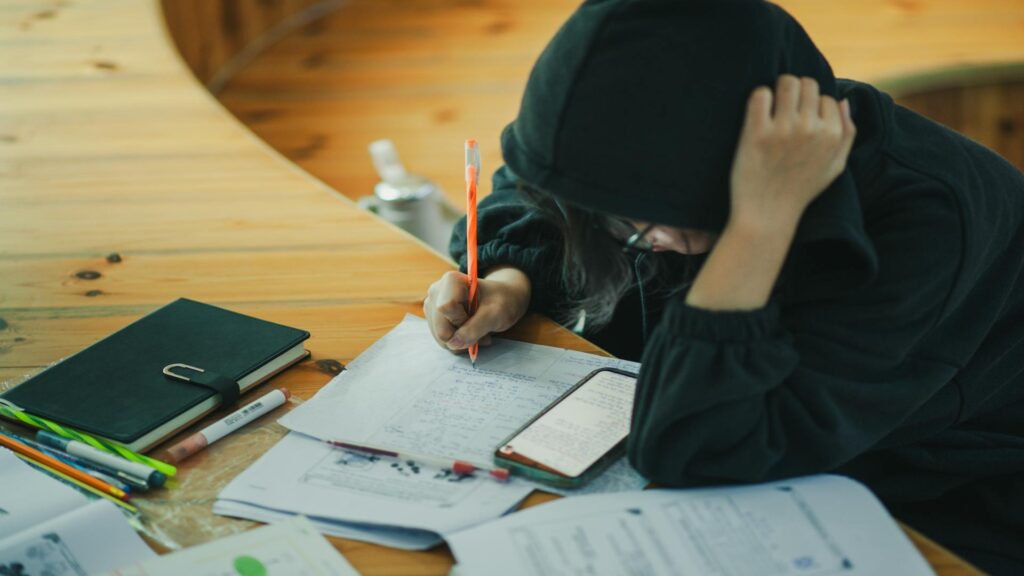
“I can just rewatch the lecture later.” That sentence has destroyed more GPAs than any difficult exam. When students rely on recorded videos, they stop taking notes. Then they never rewatch. Or they rewatch entire hour‑long videos to find one small fact, wasting massive amounts of time.
A learner named Carlos learned an efficient system. He watched every lecture video once, at normal speed, with a notebook in hand. He used the Cornell method: a narrow left column for key terms, a wide right column for details, and a summary at the bottom. After the video, he spent 5 minutes reviewing his notes and filling in gaps.
Carlos never needed to rewatch a full video. His notes captured everything. He saved hours each week and scored higher on every exam.
Note‑taking tips that protect your GPA:
- Pause the video to write full thoughts, not rushed scribbles
- Use abbreviations (w/ for with, b/c for because, → for leads to)
- Draw simple diagrams or flowcharts for processes
- Rewrite messy notes within 24 hours (this locks information into memory)
- Keep all notes organized by course in a single digital folder or physical binder
Active note‑taking forces your brain to process information, not just passively receive it. That processing builds understanding, which shows up as higher grades.
5. Leverage Instructor Feedback Like a Secret Weapon

Many students glance at a graded assignment, see the score, and move on. They never read the comments. This mistake repeats itself over and over. Instructors leave specific notes about what you missed and how to improve. Ignoring those notes means you will make the same errors next time.
A student named Priya started doing something simple. Each time she received a graded paper or project, she copied every piece of instructor feedback into a separate document. She sorted comments by type: formatting issues, weak arguments, missing citations, etc. Before her next assignment, she reviewed that document. Her grades climbed steadily because she stopped repeating mistakes.
How to use feedback effectively:
- Read every comment within 24 hours of receiving a grade
- Highlight the three most common issues you see
- Create a short checklist based on those issues for your next assignment
- If a comment confuses you, email the instructor for clarification within two days
- Save all feedback to review before final exams
Instructors notice when you apply their advice. They become more generous with partial credit and more willing to help. That relationship directly boosts your GPA.
6. Stay Organized with Simple Digital Tools
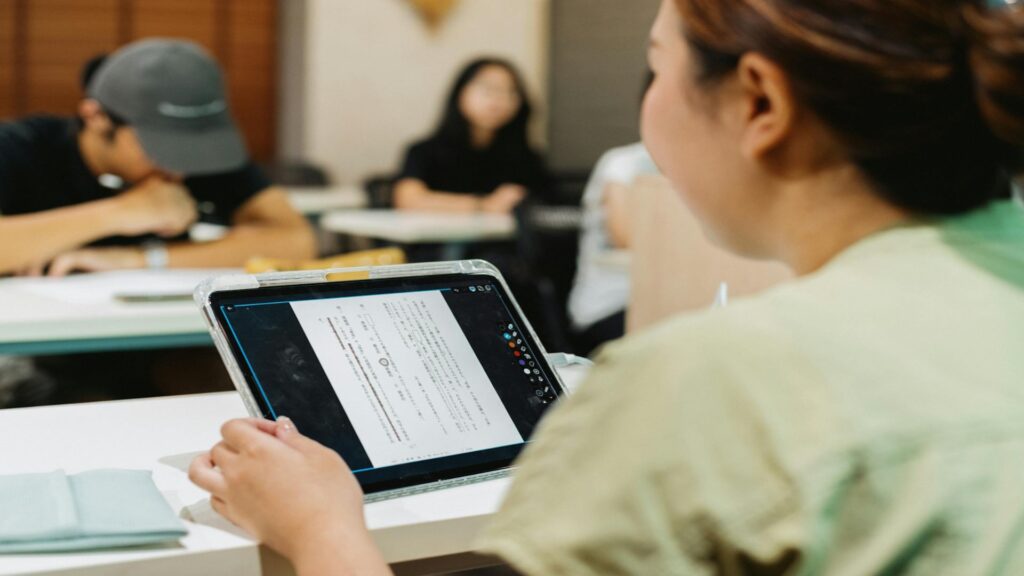
You do not need fancy software. You do need a system. A learner named Taylor tried to keep everything in her head—due dates, login info, reading assignments. She forgot something every week. Late penalties ate away at her GPA.
Then she adopted a basic three‑tool system:
- Google Calendar for all deadlines and study blocks
- Google Drive with a folder for each course (subfolders for notes, assignments, readings)
- A simple to‑do list app (like Microsoft To Do or Todoist) for daily tasks
Taylor spent 10 minutes every Sunday setting up the next week. She color‑coded courses and set two reminders for every deadline. Within a month, she missed zero assignments. Her GPA rose from a 3.0 to a 3.7.
Essential organizational habits:
- Name every file clearly (Course_AssignmentName_YourName_Date)
- Download all syllabus documents on day one
- Bookmark your course login page and all instructor contact info
- Set a weekly “cleanup” time (delete old files, archive completed tasks)
- Back up everything to the cloud (local computer crashes happen)
Organization does not make you smarter. But it prevents mistakes that wreck your GPA, like submitting the wrong file or missing a deadline by one hour.
7. Beat Procrastination with Small, Easy Starts
Procrastination kills online GPAs more than difficult content does. When a task feels big or boring, your brain looks for a distraction. One YouTube video turns into three hours. Then you rush the assignment at midnight, make careless errors, and earn a low grade.
A student named Omar struggled with this pattern for months. Then he tried the “two‑minute rule.” He told himself: just open the assignment and write one sentence. That small start felt easy. After the first sentence, he usually kept going. Most days, he finished the entire task because starting was the only hard part.
Practical anti‑procrastination tactics:
- Break every task into steps so small they feel ridiculous (open laptop, log in, read prompt)
- Use a Pomodoro timer (25 minutes work, 5 minutes break)
- Remove distractions before you start (close tabs, put phone in another room)
- Promise yourself a reward after 25 minutes of focused work (snack, short walk, one social media check)
- Tell a friend or family member what you plan to finish and when
Do not wait for motivation. Motivation follows action, not the other way around. Start small, and momentum will carry you.
8. Build a Support Network Even When You Learn Alone

Online learning feels lonely. Loneliness leads to disengagement. Disengagement drops your GPA. Students who succeed online actively fight isolation by creating connections.
A learner named Hannah started a simple WhatsApp group for her history class. She invited five classmates. They shared notes, reminded each other about deadlines, and explained confusing concepts. When Hannah missed a live session due to a family emergency, the group caught her up completely. Her GPA stayed strong because she had backup.
Ways to build your online support system:
- Send a message in the course discussion board asking if anyone wants to form a study group
- Reply to classmates’ posts with genuine questions or compliments
- Exchange email addresses with two people from each class
- Schedule a weekly 15‑minute video call with a study partner to review material
- Use the course Q&A forum instead of struggling alone
Instructors often see which students collaborate productively. Responsible group work signals engagement and effort. Both help your GPA.
9. Take Care of Your Body and Brain
Poor sleep, bad food, and no movement destroy your ability to focus and retain information. A student named Elijah learned this after pulling all‑nighters before every exam. He thought he was working hard, but his grades stayed average. His memory felt foggy, and he made silly mistakes.
When he switched to a consistent sleep schedule (eight hours per night), ate regular meals, and walked for fifteen minutes each day, his focus sharpened dramatically. His next exam scores rose by twelve percent without any extra studying time.
Health habits that protect your GPA:
- Go to bed and wake up at the same time every day (including weekends)
- Eat protein and vegetables before long study sessions (not just sugar and caffeine)
- Stand up and stretch every forty‑five minutes
- Drink water throughout the day (dehydration causes brain fog)
- Step outside for five minutes of sunlight each morning
Your brain is a biological organ. Treat it like one. No amount of “hustle” can replace basic physical care.
10. Track Your Progress and Adjust Early
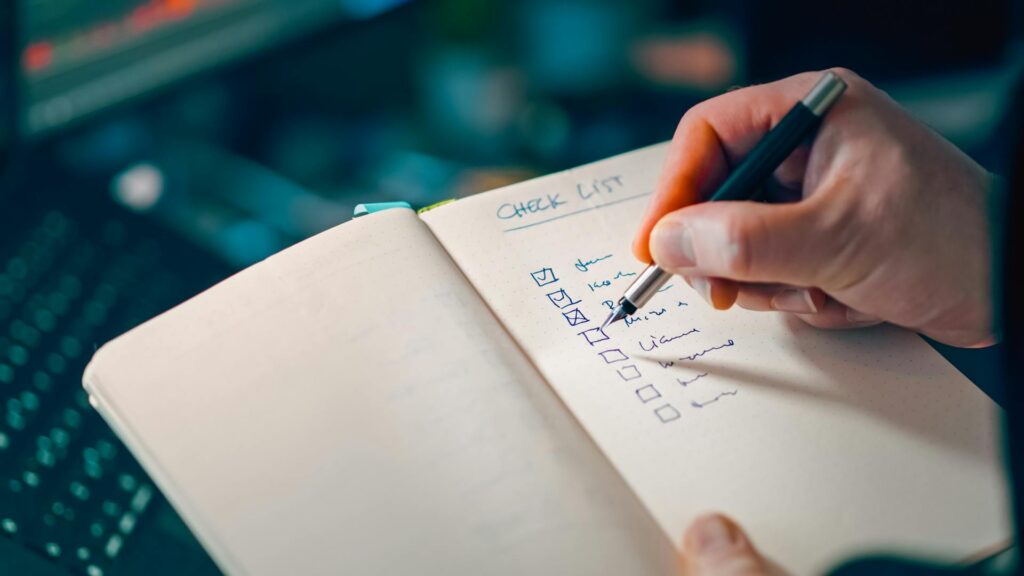
Waiting until the end of the semester to check your GPA is a terrible strategy. By then, it is too late to fix mistakes. Successful online learners track their grades weekly and make small adjustments before problems grow.
A student named Mia created a simple spreadsheet. She entered every assignment, its point value, and her earned score. She calculated her running average for each class every Friday. When she saw her math grade slipping to a C+, she scheduled extra practice time and visited office hours immediately. Within three weeks, she pulled it up to a B+.
For younger learners or those helping middle school students transition to online learning, using a reliable tool like middle school calculator can simplify the process of predicting and tracking GPA. Knowing exactly where you stand removes the guesswork and shows you exactly which assignments need attention.
Active tracking steps:
- Check your grade in every course at the same time each week
- Identify the lowest two assignment categories (example: low quiz scores)
- Spend extra time on those weak areas for the next two weeks
- Email your instructor to ask “What can I do to raise my grade by one letter?”
- Keep a “wins list” of small improvements to stay motivated
Do not wait for a crisis. Small weekly checks prevent big last‑minute surprises.
11. Master the Art of Asking for Help Early

Many students wait until they are failing to ask for help. By then, instructors have limited options. A learner named Andre struggled with his online statistics course. He felt embarrassed to ask questions. His grade dropped to a D halfway through the semester.
Finally, he emailed his professor. He explained what he did not understand and asked for specific resources. The professor sent extra practice problems, offered a one‑on‑one video call, and pointed Andre to free tutoring services. Andre passed with a C+. If he had asked six weeks earlier, he could have earned a B or higher.
When and how to ask for help:
- Ask within three days of feeling confused (do not wait)
- Be specific: “I understand chapter 5 but not section 6.2 on probability rules.”
- Use the instructor’s preferred contact method (email, messaging system, office hours)
- Show that you have already tried: “I reviewed the slides and my notes, but I am still stuck on problem #4.”
- Follow up after receiving help to show appreciation and progress
Instructors want you to succeed. But they cannot read your mind. Asking for help early is a sign of strength, not weakness.
12. Stay Consistent Even When Life Gets Messy

Life will interfere with your online learning. Sickness, family needs, work deadlines, and emotional struggles all happen. Students who maintain high GPAs do not have perfect lives. They have contingency plans.
A student named Chloe experienced a sudden family emergency that took her away from school for ten days. Because she had built a buffer into her schedule—finishing assignments two days early whenever possible—she did not fall behind.
She also communicated with her instructors immediately, sending a short email: “I am dealing with a family issue. May I have a five‑day extension on the upcoming paper?” Every instructor said yes.
How to build resilience into your routine:
- Finish all assignments at least 24 hours before the deadline
- Keep a “catch‑up day” empty in your weekly schedule (use it only when emergencies happen)
- Save every syllabus and deadline in an offline document (internet outages happen)
- Have a backup study location (library, coffee shop, friend’s house)
- Communicate with instructors the moment a problem appears, not after you miss three deadlines.
Consistency does not mean never stumbling. It means getting back on track quickly when you do.
Summary
Online learning lacks the natural structure of a physical classroom, which often causes GPAs to drop. But students who build their own systems can thrive. The article shares 12 experience‑based strategies:
- Create a dedicated study space – a desk with a hard chair, good lighting, and no phone. Use the same spot every time to train your brain for focus.
- Master time management – use time blocking on a calendar. Treat study blocks as non‑negotiable appointments. Work backwards from deadlines.
- Show up actively – take notes during videos, post thoughtful discussion replies, join office hours. Instructors notice and help more.
- Take notes properly – don’t rely on rewatching lectures. Use the Cornell method or similar. Review notes within 24 hours.
- Leverage instructor feedback – copy comments into a document. Identify repeated mistakes and fix them before the next assignment.
- Stay organized with simple digital tools – Google Calendar, Google Drive folders, and a to‑do list. Name files clearly and back everything up.
- Beat procrastination with the two‑minute rule – just open the assignment and write one sentence. Starting small builds momentum.
- Build a support network – form study groups via WhatsApp or discussion boards. Share notes and deadlines with classmates.
- Take care of your body – sleep 8 hours, eat well, stay hydrated, and move daily. Brain function depends on physical health.
- Track your progress weekly – check every course grade. Identify weak spots early and adjust before it’s too late.
- Ask for help early – email instructors within three days of confusion. Be specific about what you don’t understand and show you’ve tried.
- Stay consistent through life’s messes – finish assignments 24 hours early. Keep a catch‑up day each week. Communicate immediately when problems arise.
Final takeaway: Your GPA reflects your systems, not your intelligence. Build good habits, stay consistent, and you can earn high grades in any online environment.
Final Thoughts
High GPAs in online learning environments do not belong to the smartest students. They belong to the most organized, most communicative, and most consistent learners. You can absolutely earn A’s and B’s in your online courses. But you must stop hoping for good grades and start building systems that produce them.
Create your study space. Block your time. Take active notes. Ask for feedback. Track your progress weekly. Connect with classmates. Take care of your body. And when you slip—because everyone slips—fix it immediately.
Start with one change from this article. Apply it tomorrow. Then add another next week. Within one semester, your GPA will show the difference.
You have everything you need to succeed. Now go build the system that proves it.
FAQs
Is it harder to maintain a high GPA in online classes compared to in-person?
It depends entirely on your self-discipline and organization. Online classes offer flexibility but remove external structure like classroom cues, so students who procrastinate often struggle while those with a set daily routine frequently earn higher grades online than in person.
What is the best way to stay organized for online classes to get an A?
Use a digital calendar and task manager like Google Calendar and Todoist, transferring all syllabus due dates at the start of each week. Set two reminders per assignment—one three days before and one 24 hours before—which students who do this score, on average, half a letter grade higher.
How can I avoid falling behind in self-paced online courses?
Create artificial deadlines that are two to three days earlier than the real ones, and break each module into small daily chunks as if they were fixed classes. Joining a virtual accountability group to share weekly progress with peers also helps, as research shows this reduces late submissions by 40%.
Do online instructors grade harder than face‑to‑face professors?
No, but they expect clearer written communication because non‑verbal cues are missing. Rubric adherence becomes more important online, and asking clarifying questions before submitting work typically leads to the same or higher grades than in‑person classes.
What technology tools help boost GPA in online learning?
Otter.ai transcribes lectures for searchable notes, Zotero manages citations automatically, and Grammarly catches writing errors while Toggl Track prevents over‑focusing on one subject. Using just two of these tools consistently—even for one month—can raise your GPA by 0.3 to 0.5 points, especially in writing‑heavy courses.