Why Middle School Students Should Build Strong Reading Skills
Reading is one of the most important skills a middle school student can develop.
It shapes how a young learner understands the world, communicates ideas, and builds confidence in every subject.
When a student builds strong reading habits early, the rewards follow them for years—both inside and outside the classroom.
Many middle schoolers do not yet realize how powerful reading can be in shaping their academic success.
But teachers and parents with years of experience agree: middle school is the perfect time to strengthen reading skills that will support high school, college, and future careers.
In this article, readers will explore why strong reading skills matter so much, how they help students grow emotionally and academically, and why reading plays a bigger role in grades and GPA than many realize.
Reading Helps Students Understand Every Subject Better
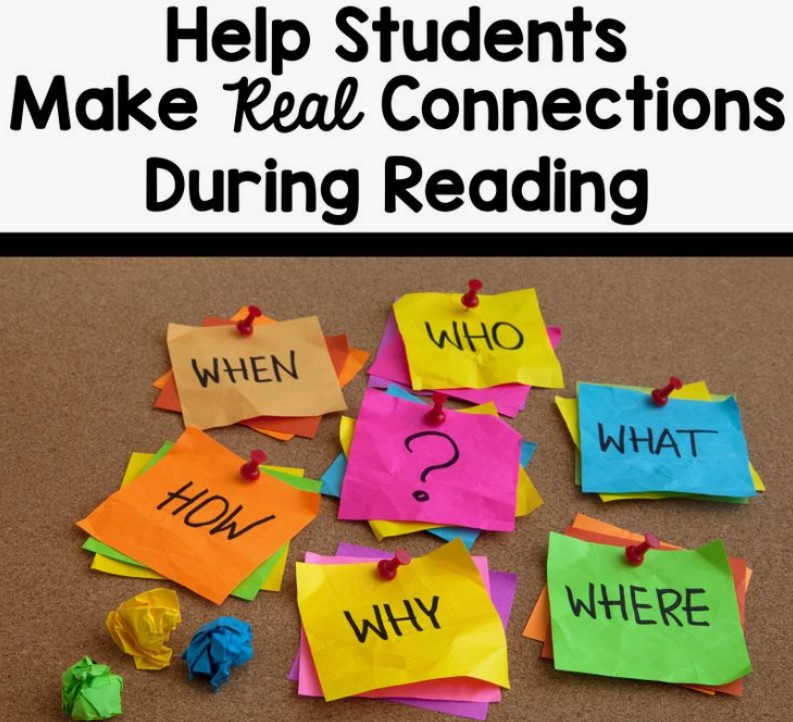
One of the biggest benefits of strong reading skills is improved understanding in all school subjects.
Many students assume that reading mainly helps with English class, but reading influences nearly every part of learning.
- Science requires reading textbooks, lab instructions, and research articles.
- Social studies involves reading maps, historical documents, and timelines.
- Math problems often include multi-step instructions and word problems that need close reading.
A student who reads well is able to understand lessons faster, follow directions accurately, and stay focused longer.
Teachers often notice that students who struggle with reading also struggle in multiple subjects, even if they are naturally smart. Reading is the foundation that supports everything else.
Strong Reading Skills Improve Vocabulary and Writing
Middle school is a time when students’ vocabulary grows rapidly. Reading exposes them to new words, sentence structures, and ideas that they might not hear in everyday conversations.
A student who reads regularly becomes more comfortable expressing themselves through writing and communication.
Whether they are writing essays, answering homework questions, or preparing a school project, a strong vocabulary gives them an advantage.
As students improve their reading skills, their writing usually improves naturally.
They begin to understand what makes a sentence clear, what makes a paragraph flow, and how to organize their ideas well. This will help them shine in high school where writing becomes even more important.
Also Read:
How Good Attendance Improves Grades in Middle School
Reading Strengthens Critical Thinking Skills
Middle school students are growing fast—not only physically, but mentally. Reading challenges their brains to think deeply, make connections, and analyze information.
When students read a story, they learn to understand characters’ motives, interpret emotions, and predict future events.
When they read nonfiction, they learn to ask questions, compare facts, evaluate arguments, and form opinions.
These critical thinking skills are essential for success in high school and life.
Students who can think critically are better problem-solvers, better decision-makers, and more confident learners. Reading trains the brain to be curious, thoughtful, and creative.
A Strong Reader Becomes a More Independent Learner
Middle school is the time when students start taking more responsibility for their learning.
Teachers expect them to read directions carefully, gather information from textbooks, and complete assignments with less supervision.
Students with strong reading skills often feel more independent because they don’t have to rely on others to explain every detail.
They can study on their own, research topics that interest them, and explore new ideas without frustration.
This independence helps them prepare for high school, where teachers expect students to manage a heavier workload and take responsibility for long-term projects.
Strong readers adjust more easily because they already have the skills they need to learn on their own.
Also Read:
10 Common Mistakes Middle School Students Make With Their Grades
Reading Boosts Confidence and Reduces Stress
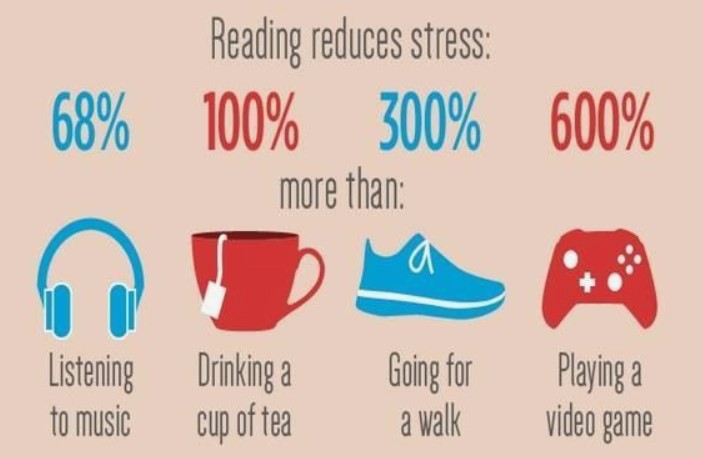
Middle school can be stressful. Students begin facing new challenges such as more homework, higher expectations, and more complex subjects. Reading can make this transition easier.
When students read well, they feel more confident in class. They raise their hands more often, participate in discussions, and ask better questions.
Confidence grows when students are not afraid to read aloud or speak up.
Reading also reduces academic stress. When a student can understand their textbooks or homework instructions quickly, school becomes less overwhelming.
They feel in control of their learning, and this often leads to better grades and a more positive attitude toward school.
Reading Can Improve GPA and Overall Academic Performance
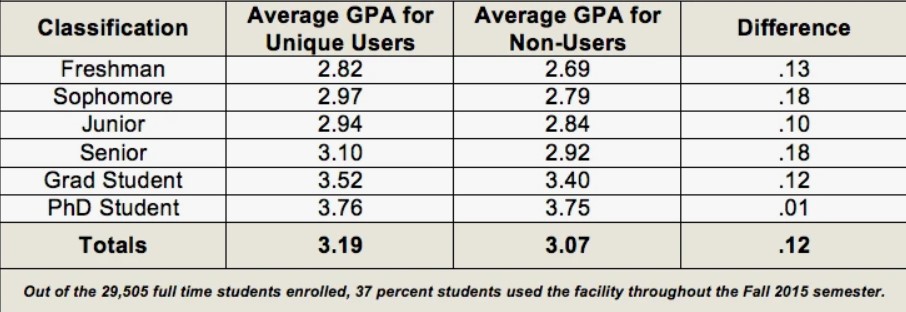
Many parents and teachers know that strong reading skills often lead to higher grades. Because reading affects every subject, improving reading ability usually improves overall academic performance.
Middle school students can keep track of their progress using helpful tools like the GPA Calculator Middle School.
These tools allow students to see how each class contributes to their GPA and how improvements in reading and comprehension can positively affect their overall performance.
A stronger GPA in middle school sets a solid foundation for high school placement, advanced classes, and academic confidence.
Reading Encourages Imagination and Emotional Growth
Reading is not just an academic skill—it’s an emotional experience. When students read stories, they step into different worlds, explore new cultures, and understand perspectives different from their own.
Reading helps middle schoolers:
- Develop empathy
- Build emotional intelligence
- Understand friendships and relationships
- Explore their creativity
- Discover personal interests
Books can comfort students during stressful times and inspire them as they grow. Many readers find characters they relate to and stories that make them think differently about life.
Reading Builds Lifelong Learning Habits
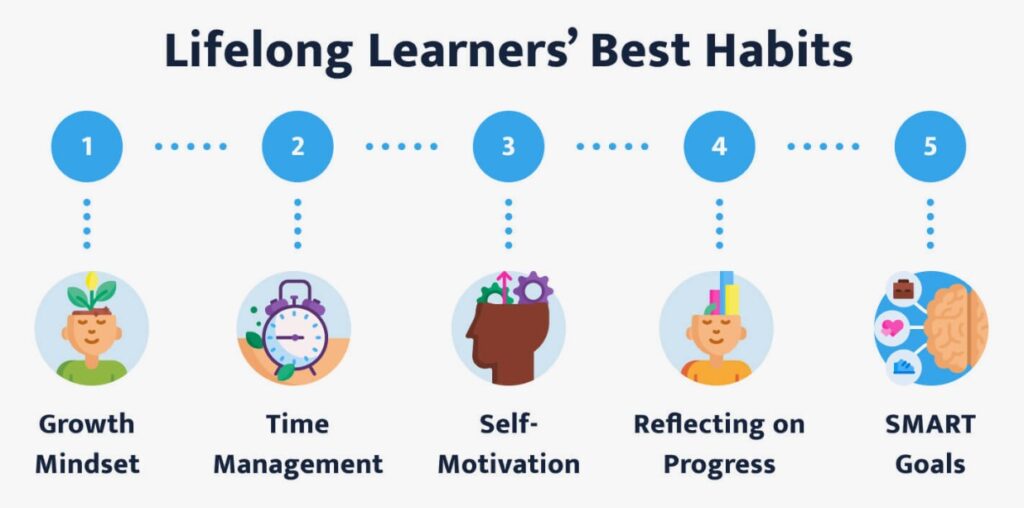
A student who enjoys reading becomes a lifelong learner. Middle school is the perfect time to introduce reading routines that students continue through high school and adulthood.
Reading sparks curiosity and encourages personal growth. Whether a student is interested in technology, sports, art, science, or history, reading helps them learn more about what they love.
Once reading becomes a habit, students begin to see it not as homework, but as a way to explore their interests and dreams.
Also Read:
Final Thoughts
Building strong reading skills in middle school is one of the best investments a student can make in their future. Reading supports every part of learning—academic skills, emotional growth, creativity, and confidence.
Parents, teachers, and students all benefit when reading becomes a daily habit. Whether for fun or for school, reading opens doors to success and makes learning more enjoyable.
As middle schoolers continue to grow, strong reading skills will help them achieve higher grades, understand complex ideas, and build a brighter future.
FAQs
1. Why are strong reading skills important in middle school?
Strong reading skills help middle school students understand textbooks, follow instructions, and perform better in all subjects, not just language arts.
2. How do reading skills affect academic performance?
Good reading skills improve comprehension, vocabulary, and critical thinking, which leads to higher grades and better test performance in every subject.
3. What happens if a middle school student has weak reading skills?
Poor reading skills can make learning difficult, cause frustration, and lead to low grades as students struggle to understand lessons and assignments.
4. How can middle school students improve their reading skills?
Students can improve reading skills by reading daily, choosing interesting books, practicing comprehension, and discussing what they read with others.
5. How can parents support reading development at home?
Parents can support reading by encouraging regular reading time, providing age-appropriate books, and creating a positive reading environment at home.