
How to Turn Academic Mistakes into Learning Opportunities
Academic mistakes are something every student faces at some point. A low test score, forgotten homework, or misunderstanding a lesson can feel disappointing, frustrating, or even embarrassing.
However, mistakes are not signs of failure. In fact, they are some of the most powerful tools for learning and growth.
Students who learn how to handle mistakes in a healthy way often become more confident, motivated, and successful over time.
In this article, we explain how academic mistakes can be turned into meaningful learning opportunities, using real-life student experiences and simple, practical strategies.
Understanding Why Academic Mistakes Happen
Mistakes do not happen because a student is “bad at school.” They happen for many normal reasons.
Sometimes students misunderstand instructions. Other times, they may rush through work, feel stressed, or struggle with time management.
Lack of sleep, poor study habits, or trying new and harder subjects can also lead to mistakes.
Academic challenges are especially common in middle school, where students face new expectations and more responsibility.
At this stage, learning to reflect on performance—such as knowing when to check gpa of middle school—can help students understand where they stand and what needs improvement.
The key is realizing that mistakes are part of the learning process, not the end of it.
Changing the Way Students Think About Mistakes
One of the biggest differences between struggling students and successful students is mindset.
Students who see mistakes as proof that they are “not smart enough” often feel discouraged and stop trying.
On the other hand, students who view mistakes as feedback are more likely to improve.
A growth mindset helps students understand that skills and intelligence can improve with effort and practice.
When a mistake happens, instead of thinking, “I can’t do this,” students can learn to say, “I can’t do this yet.”
This simple change in thinking can turn frustration into motivation.
Learning from Mistakes Instead of Ignoring Them

Many students want to forget about bad grades as quickly as possible.
They hide test papers, avoid feedback, or move on without understanding what went wrong.
However, real learning happens when students look closely at their mistakes.
Reviewing incorrect answers, reading teacher comments, and asking questions can help students identify patterns.
Was the mistake caused by rushing? Poor preparation? A misunderstanding of key concepts?
By identifying the reason, students can avoid repeating the same mistake in the future.
Turning Test and Exam Errors into Improvement Plans
Tests and exams are one of the most common sources of academic mistakes. A poor result can feel discouraging, but it can also be a valuable guide.
Students can start by breaking down their test results:
- Which topics were strong?
- Which topics were weak?
- Were mistakes due to lack of knowledge or careless errors?
From there, students can create a simple improvement plan. This may include revising certain chapters, practicing more questions, or changing study methods.
Over time, this approach helps students perform better and feel more in control of their learning.
Using Feedback as a Learning Tool
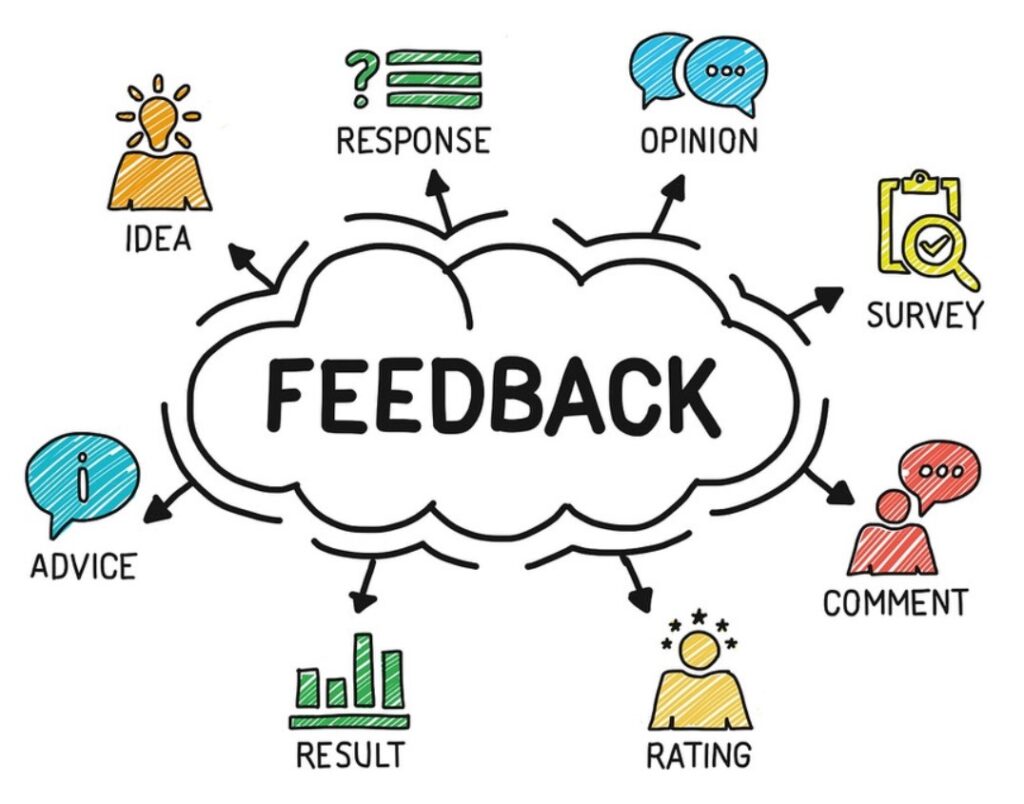
Teacher feedback is one of the most powerful resources students have. Unfortunately, many students ignore it or focus only on the grade.
Comments on assignments often explain exactly what needs improvement.
Teachers may point out unclear explanations, weak arguments, or areas that need more detail.
Students who read feedback carefully and apply it to future work often see steady improvement. Feedback is not criticism—it is guidance.
Building Better Study Habits from Mistakes
Academic mistakes often reveal weaknesses in study habits.
For example:
- Forgetting homework may show poor organization.
- Low quiz scores may show ineffective studying.
- Rushing through tests may show time management issues.
Once students identify these patterns, they can adjust their habits. Using planners, setting reminders, studying in shorter sessions, and practicing active learning techniques can make a big difference.
Mistakes highlight what needs to change, making them valuable learning tools.
Managing Emotions After Academic Setbacks
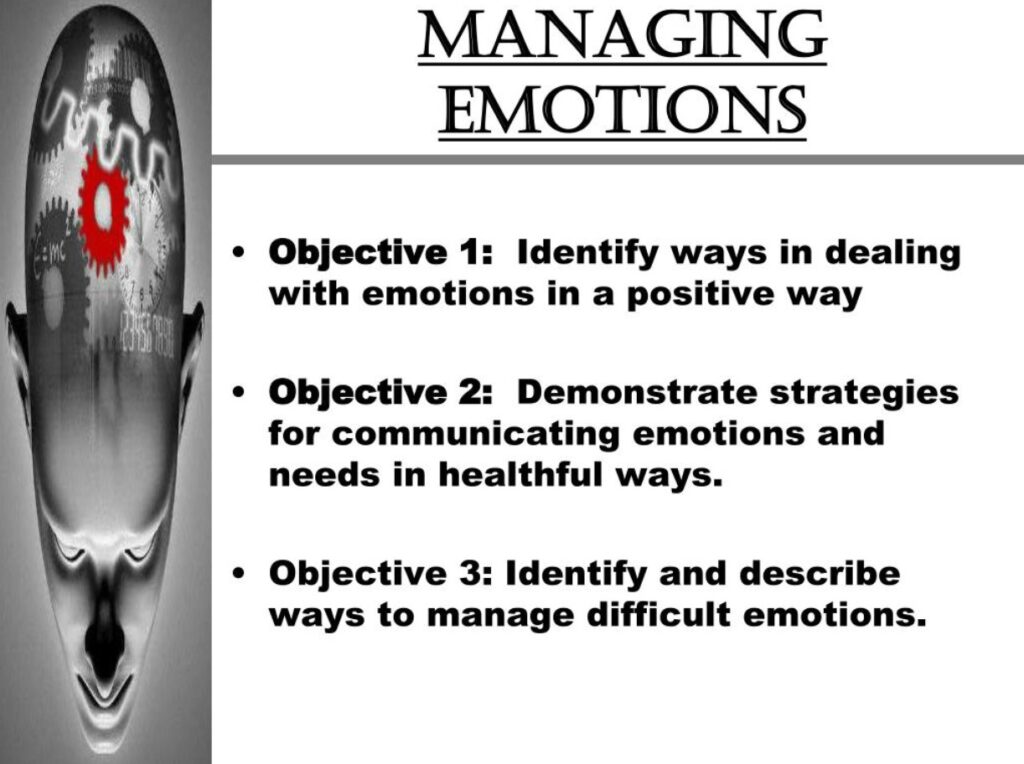
Mistakes can trigger strong emotions, including stress, disappointment, or self-doubt. Learning how to manage these feelings is an important skill.
Students should understand that feeling upset after a mistake is normal. What matters is how they respond next.
Taking a short break, talking to a teacher or parent, and reminding themselves that one grade does not define them can help reduce stress.
Staying calm allows students to think clearly and focus on improvement.
Learning Responsibility Instead of Blame
It is easy to blame teachers, exams, or classmates for poor results. While external factors sometimes play a role, taking responsibility helps students grow.
Responsibility does not mean self-blame. It means honestly evaluating effort, preparation, and choices.
When students take ownership of their learning, they become more independent and confident. This skill is useful not only in school but also in future careers.
How Small Mistakes Build Long-Term Success
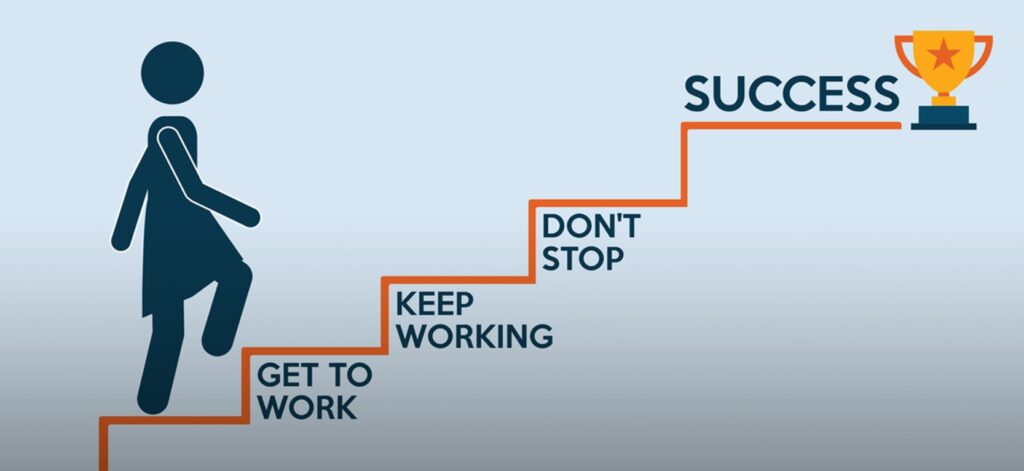
Some of the most successful students struggled early on. Their success did not come from avoiding mistakes but from learning how to use them.
Small academic mistakes teach valuable lessons about discipline, patience, and problem-solving. These lessons prepare students for bigger challenges later in life.
Over time, students who learn from mistakes often develop stronger academic skills and better self-awareness.
Encouraging a Healthy Learning Environment at Home
Parents and guardians play an important role in how students handle mistakes.
When adults focus only on grades, students may fear failure. When they focus on effort and improvement, students feel supported.
Encouraging open conversations about challenges, celebrating progress, and offering guidance instead of punishment helps students view mistakes positively.
A supportive environment makes learning safer and more effective.
Using Mistakes to Set Realistic Academic Goals
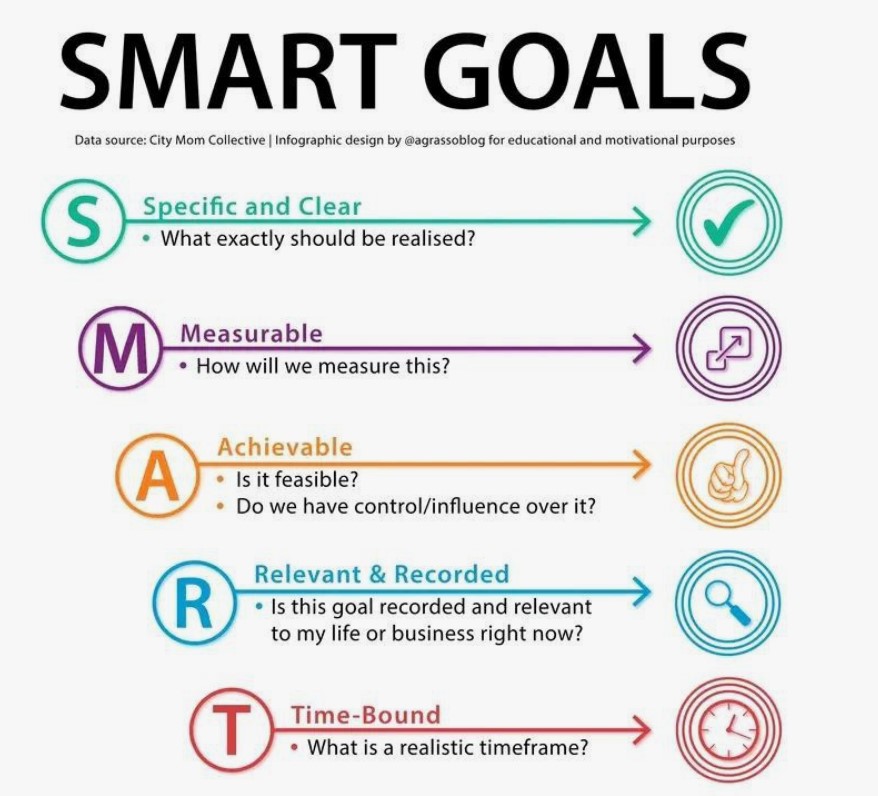
Mistakes provide clear information about what students can improve.
Instead of setting vague goals like “do better in school,” students can use mistakes to set specific goals such as:
- Improving math test scores by practicing daily
- Turning in all assignments on time
- Asking questions when concepts are unclear
Clear goals make progress easier to track and more motivating.
Developing Confidence Through Progress
Confidence does not come from perfection. It comes from seeing improvement over time.
When students correct mistakes and notice better results, their confidence grows naturally. They learn that effort leads to progress.
This confidence encourages them to take academic risks, try harder subjects, and believe in their abilities.
Teaching Students That Mistakes Are Part of Learning
Schools and teachers increasingly emphasize that mistakes are normal and necessary for learning.
Classroom discussions, group activities, and revision opportunities help students see that everyone makes errors.
When mistakes are normalized, students are more willing to ask questions and participate actively.
Preparing for Future Challenges Through Academic Mistakes
Learning how to handle academic mistakes prepares students for life beyond school.
In college, careers, and personal life, mistakes are unavoidable. Students who learn resilience and problem-solving early are better equipped to handle future challenges.
Academic mistakes teach lessons that go far beyond textbooks.
Final Thoughts
Academic mistakes are not obstacles—they are opportunities. Each mistake offers a chance to learn, grow, and improve.
By changing mindset, reviewing errors, using feedback, and building better habits, students can turn setbacks into stepping stones for success.
When students understand that mistakes are part of the journey, learning becomes less stressful and more meaningful.
Over time, this approach builds stronger skills, higher confidence, and lasting academic success.
FAQs
1. Why are academic mistakes important for learning?
Academic mistakes help students understand what they need to improve. When students review their errors, they learn better study habits, correct misunderstandings, and become stronger learners over time.
2. How can students learn from bad grades instead of feeling discouraged?
Students can learn from bad grades by reviewing feedback, identifying weak areas, and creating a plan to improve. Focusing on progress instead of perfection helps build confidence and motivation.
3. What is the best way to respond after making an academic mistake?
The best response is to stay calm, reflect on what went wrong, and ask for help if needed. Using mistakes as feedback allows students to make better choices next time.
4. Can academic mistakes actually improve future performance?
Yes, academic mistakes often lead to better performance when students learn from them. Understanding errors helps students adjust study methods, manage time better, and avoid repeating the same mistakes.
5. How can parents help students handle academic mistakes positively?
Parents can support students by focusing on effort, encouraging open discussions, and avoiding punishment for mistakes. A positive environment helps students feel safe to learn and improve.