
How Peer Pressure Affects Academic Performance
Peer pressure is something that almost every student experiences at some point in their school life.
Whether they are in elementary, middle, or high school, their desire to fit in and be accepted can affect the way they act, think, and perform academically.
When students observe their classmates and friends, they sometimes adjust their behavior — intentionally or unintentionally — to fit in with the group.
This pressure can be positive or negative, and both forms play a huge role in shaping academic success.
In this article, we’ll look at how peer pressure affects academic performance, how students can understand their own behavior, and how teachers and parents can support them.
We’ll also include useful tools like the Middle School GPA Calculator to help students stay on track with their academic goals.
What Is Peer Pressure?
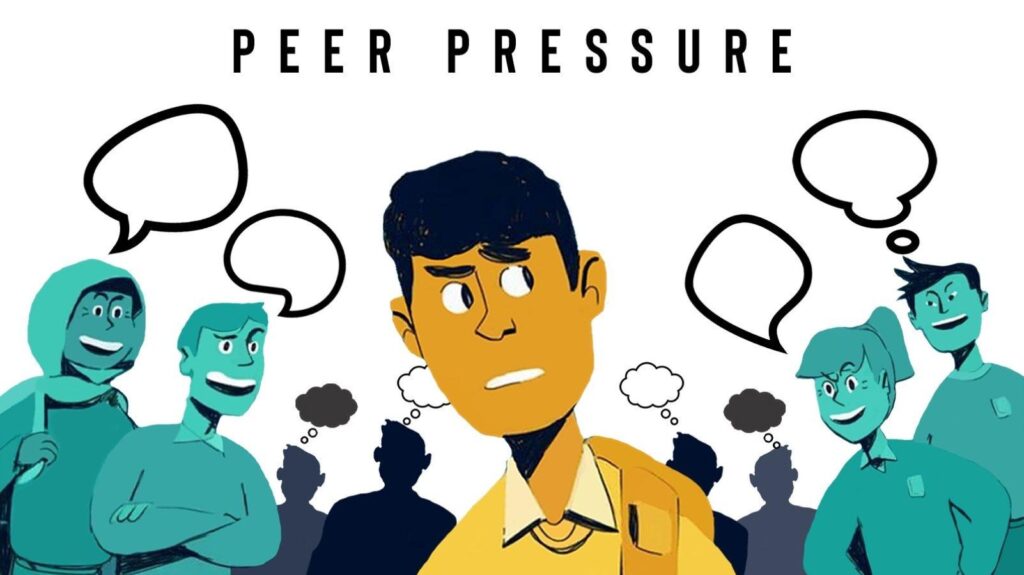
Peer pressure occurs when people of the same age influence each other’s decisions.
It can be direct, such as when a friend urges someone to skip homework, or indirect, such as when a student feels the need to meet the grades of their “smart group.”
It’s a normal part of growing up, and it helps students learn how to communicate with others, make decisions, and build confidence.
However, the type of pressure they experience determines whether the results are helpful or harmful.
Positive Peer Pressure: A Hidden Superpower

Not all peer pressure is bad. In fact, positive peer pressure can encourage students to perform better in school. For example:
- When classmates celebrate good grades, it inspires others to study harder.
- A friend group that values responsibility can push a student to stay organized.
- Students often share study tips, homework strategies, and learning resources.
In many cases, having motivated and goal-oriented friends encourages better academic habits.
When students see their peers using tools like a GPA Calculator Middle School to track progress, they may feel inspired to take academics more seriously.
Positive peer pressure builds a healthy environment where everyone aims to improve together.
It teaches students discipline, teamwork, and the importance of hard work.
Negative Peer Pressure: When Influence Turns Harmful
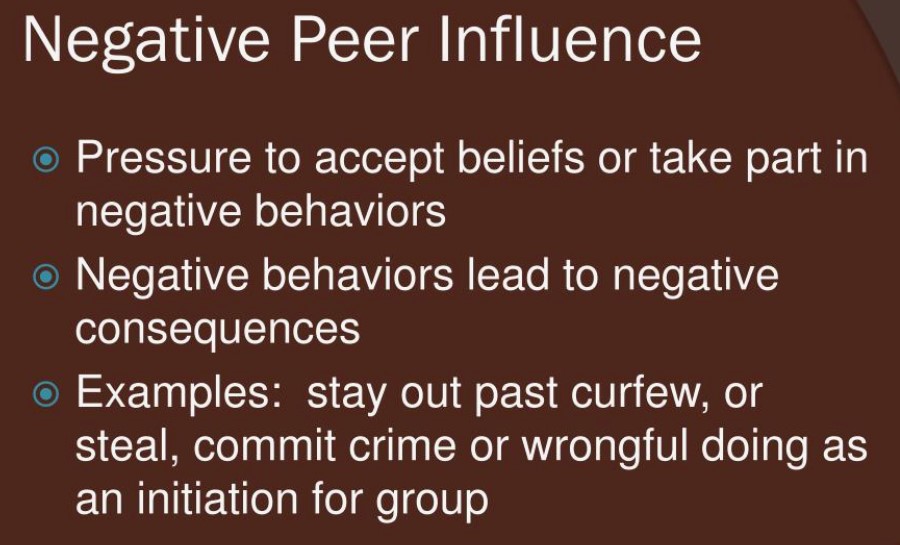
Unfortunately, peer pressure can also lead students down the opposite path.
Negative peer pressure is one of the biggest reasons students lose focus in school. It can affect academic performance in several ways:
1. Distraction from Studies
Students may feel pressured to spend more time playing games, chatting, or hanging out than studying.
When friends choose entertainment over homework, it becomes tempting to join them.
2. Skipping Classes
Some students skip class just because their friends do. They may worry that attending class will make them seem “uncool” or “too serious.” Over time, missing classes can affect grades and confidence.
3. Fear of Being Labeled
Some students hide their intelligence to avoid being called a “nerd.” They may stop participating in class or avoid showing enthusiasm for learning.
4. Poor Study Habits
If a friend group has no interest in academics, a student may adopt similar habits—even if they actually enjoy studying.
Negative peer pressure doesn’t just affect grades. It also affects self-esteem, motivation, and long-term academic goals.
Also Read:
Reasons Every Student Should Try a Middle School GPA Calculator
Why Peer Pressure Affects Academic Performance So Strongly

Peer groups become more important during middle school and high school because students want to feel accepted.
They fear rejection more than poor grades, especially in the early teenage years.
This emotional vulnerability makes them highly susceptible to influence.
Here’s why academic performance is easily affected:
- Identity development: Students are still figuring out who they are.
- Social comparison: They compare their abilities to others constantly.
- Desire for approval: Acceptance from friends feels rewarding.
- Fear of missing out: They don’t want to be left out of group activities.
- Growing independence: They start making more of their own decisions.
Understanding these psychological factors helps adults guide students with empathy rather than judgment.
How Students Can Resist Negative Peer Pressure

Resisting peer pressure is not easy, but it is definitely possible. Many students develop strong self-control with the right strategies, such as:
1. Choose Friends Wisely
Friends should bring out the best in each other. Students should surround themselves with people who share positive goals and values.
2. Build Confidence
Students with strong self-esteem are less likely to be influenced negatively. Celebrating small academic successes helps build confidence.
3. Practice Saying “No”
A polite but firm “No, I can’t skip homework today” can go a long way.
Students don’t need to explain themselves too much—short answers work best.
4. Set Academic Goals
Having clear goals, and tracking them with tools like a GPA Middle School, makes it easier to stay focused.
5. Develop Time Management Skills
When students manage their time well, they feel more in control and less pressured by others.
How Parents and Teachers Can Help
Adults play an essential role in guiding students through peer pressure. Here’s how they can support them:
1. Open Communication
Students need to feel safe talking about their experiences. Asking open-ended questions helps.
2. Encourage Positive Friendships
Adults can help students join clubs, sports teams, or study groups where academic values are supported.
3. Model Healthy Choices
When students see adults making thoughtful decisions, they learn to do the same.
4. Teach Critical Thinking
Helping students evaluate consequences empowers them to make smarter choices.
5. Reward Effort, Not Just Results
Praising the process—not just the grades—reduces pressure and boosts motivation.
Also Read:
Why GPA Matters in Middle School
The Long-Term Effects of Peer Influence
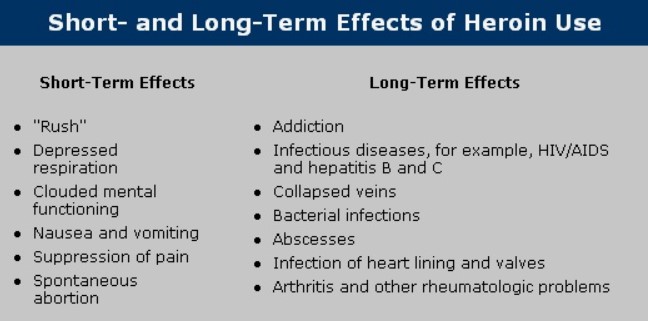
Peer pressure shapes more than just academic performance—it influences future behavior, career goals, and decision-making skills.
Students who learn to give in to peer pressure early on become stronger, more confident individuals.
Positive peer influence can help students develop leadership qualities, teamwork skills, and resilience.
On the other hand, negative peer influence can lead to habits that are difficult to break later.
That’s why understanding peer pressure is so important—not just for better grades, but for mental and emotional well-being as well.
Final Thoughts
Peer pressure is powerful, but students can learn to use it to their advantage.
Positive peer groups encourage good study habits, motivation, and academic improvement.
However, negative peer pressure can distract students and hurt their performance.
By choosing friends wisely, setting clear goals, and using helpful tools like the GPA Finder Middle School, students can stay on the right path.
With support from parents and teachers, they can build the confidence they need to make good decisions and succeed academically.
When students understand how peer pressure works, they gain the strength to shape their own future—one decision at a time.
FAQs
1. What is peer pressure and how does it affect academic performance?
Peer pressure is the influence of friends or classmates on a student’s behavior. It can positively affect academic performance by encouraging good habits or negatively by distracting students from studying.
2. Can peer pressure improve a student’s academic results?
Yes, positive peer pressure can motivate students to work harder, participate in class, and get better grades when surrounded by focused and supportive peers.
3. How does negative peer pressure impact school performance?
Negative peer pressure can lead to poor study habits, homework skipping, and lack of focus. This often results in poor grades and decreased academic confidence.
4. How can students handle peer pressure at school?
Students can manage peer pressure by setting clear academic goals, choosing supportive friends, and learning to say no to activities that undermine their studies.
5. How can parents and teachers help students manage peer pressure?
Parents and teachers can help by encouraging open communication, building student confidence, and fostering positive peer groups that support learning.