
Healthy Routines for Middle School Academic Success
Middle school can feel like a big leap for students. The classes get tougher, homework becomes more serious, and teachers expect more responsibility.
But with the right habits, any student can thrive. Healthy routines are like a secret weapon—simple actions that make a huge difference over time.
This article explores practical, friendly advice based on real experiences from middle-school families and educators who’ve seen these routines work again and again.
1. Starting the Day with a Strong Morning Routine

A good school day begins long before the first bell rings. Middle school students who develop solid morning routines often feel more organized and confident.
Wake Up with Enough Time
Students who wake up rushed often forget homework, skip breakfast, or arrive at school stressed. Waking up just 15 to 20 minutes earlier can create a calmer start to the day.
A Nutritious Breakfast
A light but energizing breakfast—such as fruit, yogurt, toast, or oatmeal—helps the brain stay alert. Teachers often share that students who eat breakfast are more focused and participate more in class.
Prepare Ahead
From laying out clothes to packing backpacks the night before, a bit of preparation helps mornings run smoothly. Many parents say this simple habit prevents last-minute scrambling.
2. Building Strong Study Habits at Home
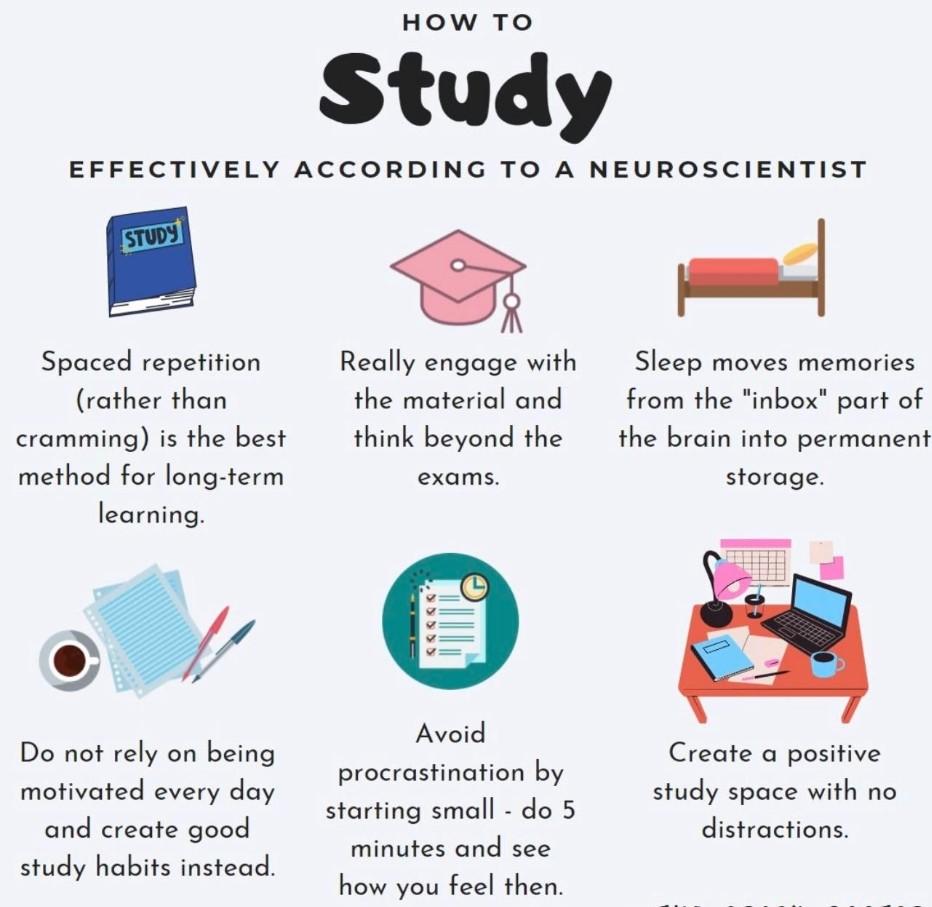
Healthy routines at home have a direct impact on academic success. Middle school students often juggle several subjects, so structure makes learning easier.
Dedicated Study Space
A quiet, comfortable spot for homework helps students stay focused. It doesn’t need to be fancy—just a small table with good lighting works well.
Consistent Homework Time
Setting the same time each day for homework builds discipline. Whether it’s right after school or after dinner, consistency keeps assignments from piling up.
Break Tasks into Smaller Steps
Middle schoolers can feel overwhelmed by long assignments. Breaking big tasks into smaller pieces makes them easier to manage and encourages steady progress.
Use Tools to Track Grades
Students and parents sometimes worry about grades, especially as middle school becomes more academically competitive.
Helpful tools like the GPA Calculator Middle School make it easy to understand where a student stands. These tools motivate students by showing how each assignment or test can impact their overall GPA.
Also Read:
Mental Health and Academic Success
3. Staying Organized Throughout the School Year

Organization is one of the most important habits for middle school success. Students who keep track of their work feel more in control and less stressed.
Use a Planner or Digital Calendar
Writing down homework, test dates, and activities keeps everything visible. Many students say using a planner stops them from forgetting assignments and reduces last-minute panic.
Organize Folders and Notebooks
Color-coding subjects, using dividers, or keeping a binder can make finding materials much easier. Organization saves valuable time and reduces frustration.
Check Backpacks Weekly
A weekly backpack clean-out prevents buildup of old papers and lost assignments. It sounds small, but it makes a big difference.
4. Prioritizing Sleep and Rest

Sleep is one of the most overlooked ingredients for academic success. Middle schoolers who get enough sleep have better attention, stronger memory, and improved mood.
Aim for 8–10 Hours of Sleep
Experts recommend this amount for middle school students. A regular bedtime helps them feel refreshed and ready to learn.
Limit Screens Before Bed
Phones, tablets, and gaming devices can interfere with sleep. Turning off screens at least 30 minutes before bed helps the brain wind down.
Create a Calming Night Routine
Simple habits like reading, stretching, or listening to quiet music help students relax and fall asleep faster.
5. Taking Care of Mental and Emotional Health
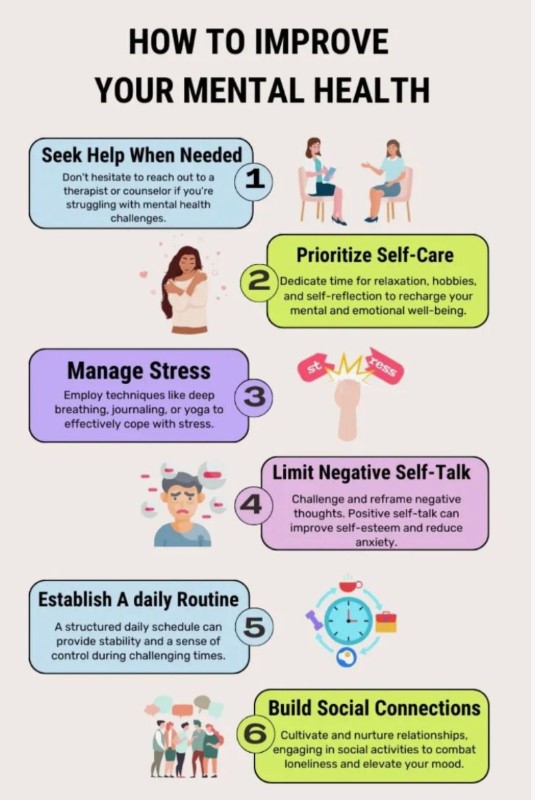
Middle school brings academic challenges, friendship changes, and sometimes stress.
Taking care of emotional health helps students handle these pressures with confidence.
Talk About Feelings
Encouraging students to talk about what’s bothering them—whether it’s schoolwork or social issues—builds emotional strength. Parents, teachers, or counselors can provide support when needed.
Practice Mindfulness
Quick breathing exercises, short breaks, or simple journaling help calm the mind. Many students say these habits make homework feel less overwhelming.
Balance School with Fun
Healthy routines don’t mean nonstop studying. Activities like sports, art, music, or hobbies keep students happy and motivated.
Also Read:
How Peer Pressure Affects Academic Performance
6. Staying Physically Active

Movement boosts energy, mood, and concentration. A healthy body supports a healthy mind.
At Least 30 Minutes of Activity
Walking the dog, playing basketball, or joining school sports all count. Physical activity helps reduce stress and increases focus.
Stretch or Move During Study Breaks
Quick movement breaks keep the brain sharp. Many students say they return to their homework more focused after stretching or walking around.
7. Healthy Eating Habits for Academic Energy

What students eat affects how they feel and learn. Balanced meals help them stay alert in class and during homework time.
Snack Smart
Healthy snacks—like fruit, granola bars, or nuts—give students the energy they need for studying without sugar crashes.
Stay Hydrated
Even slight dehydration makes it harder to concentrate. A reusable water bottle helps students stay refreshed throughout the day.
8. Developing Responsibility and Independence

Middle school is the perfect time for students to start taking ownership of their learning.
Set Academic Goals
Students can aim for specific grades or improvements. Using tools like the Middle School GPA Calculator helps them track progress and stay motivated.
Learn to Self-Advocate
Asking teachers for help, clarifying instructions, or seeking feedback builds confidence and independence.
Reflect on Progress
Weekly reflections—such as what went well and what could improve—help students understand their strengths and areas to grow.
Also Read:
Link Between Study Habits and GPA Growth
Conclusion
Healthy routines are not complicated—but they are powerful. When middle school students create consistent habits for studying, sleeping, staying organized, and taking care of themselves, academic success becomes much easier.
These routines build confidence, reduce stress, and make school more enjoyable.
Whether a student is aiming to improve grades, build better habits, or simply feel more prepared each day, these routines can help them grow into strong, independent learners.
With tools like the GPA Finder Middle School, students can stay motivated and clearly see the results of their hard work.
Healthy routines don’t just help students succeed in middle school—they set them up for success far beyond it.
FAQs
1. Why are healthy routines important for middle school academic success?
Healthy routines help middle school students stay focused, manage time better, and maintain energy levels, which improves academic performance.
2. What daily routines support better grades in middle school?
Daily routines such as regular study times, proper sleep schedules, balanced meals, and organized homework habits support better grades.
3. How does sleep affect academic performance in middle school?
Adequate sleep improves memory, concentration, and learning ability. Students who get enough sleep perform better in class and on exams.
4. Can healthy routines reduce academic stress?
Yes, healthy routines reduce stress by creating structure and balance. This helps students feel more confident and in control of their schoolwork.
5. How can parents help build healthy routines for students?
Parents can help by setting consistent schedules, encouraging healthy habits, and providing a supportive home environment.