
Why Middle School Is the Most Important Learning Stage?
Middle school often sits quietly between the fun of early childhood and the pressures of high school, yet anyone who has observed students through these years knows a simple truth: Middle school shapes everything that comes after it.
Teachers, parents, counselors, and even students often realize, sometimes too late, that these three short years lay the foundation for the habits, confidence, academic skills, and motivation that will carry a child into adulthood.
This article explores why middle school is such a defining stage, why students grow so rapidly during these years, and how understanding this period can help families guide their children with more confidence.
A Time When Students Begin to Discover Themselves
Anyone who has worked with students in grades 6–8 knows how much change happens during these years.
One day a child seems shy and uncertain; the next day, they talk about dreams of becoming an engineer, artist, or doctor.
Middle school becomes a time of self-discovery, where students start asking questions like:
- “What am I good at?”
- “What do I enjoy?”
- “What kind of person do I want to be?”
Even though these questions may seem big for young teens, they create the emotional and mental roadmap for future choices.
When a student identifies strengths and passions early, high school becomes less confusing and more purposeful.
Academic Habits Form Here—Not in High School
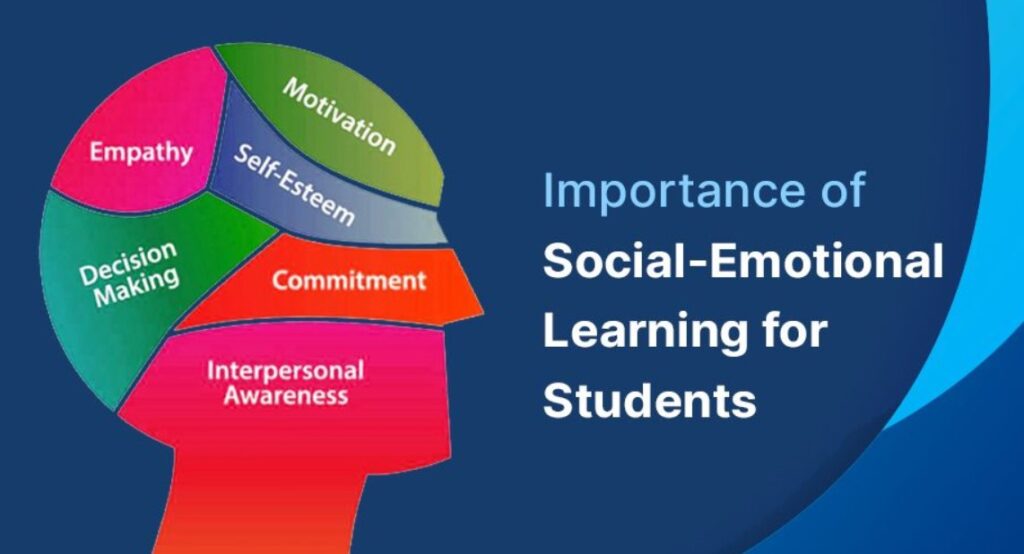
There is a common myth that working hard only becomes important in high school.
But anyone with real experience knows the opposite is true. Study habits, organization, focus, and responsibility form in middle school, long before transcripts begin to follow students.
By eighth grade, most students naturally settle into patterns:
- The student who completes homework without reminders
- The student who studies regularly
- The student who avoids assignments
- The student who participates confidently in class
These habits don’t magically appear in ninth grade. They are quietly shaped day by day during middle school, often without students or parents realizing it.
This is also why many families like using tools such as the Middle School GPA Calculator to track progress early.
It helps students see how effort translates into results, building awareness and accountability before high-stakes high school grades begin.
Social Development Peaks During These Years
Middle school is not only about academics. It is also when students experience some of the most important stages of social development.
They learn how to:
- Build friendships
- Communicate better
- Handle conflict
- Work in teams
- Understand different personalities
During these years, students begin to balance independence with cooperation.
They slowly learn how to navigate social challenges—a skill that helps them later in jobs, relationships, and adult life.
A student who learns how to communicate and collaborate during middle school often becomes more confident in high school, more responsible in college, and more successful in the workplace.
Critical Thinking Starts to Take Shape
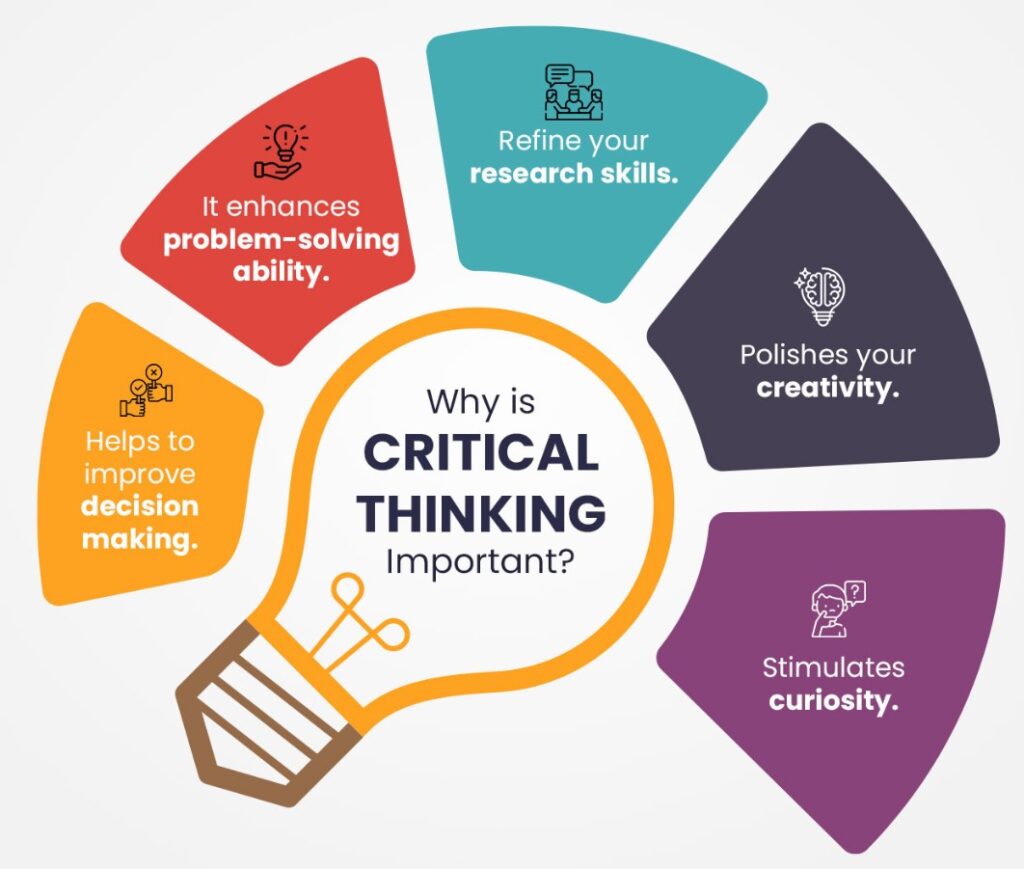
Elementary school is about learning the basics—reading, writing, math, and simple concepts.
High school is about applying knowledge in deeper and more complex ways.
Middle school sits perfectly in the middle as the stage where critical thinking begins to bloom.
This is where students start to learn how to:
- Analyze information
- Connect ideas
- Make logical decisions
- Understand cause and effect
- Solve problems independently
When middle school teachers encourage curiosity and deeper thinking, they help students develop skills that last a lifetime.
Emotional Growth Makes a Huge Difference
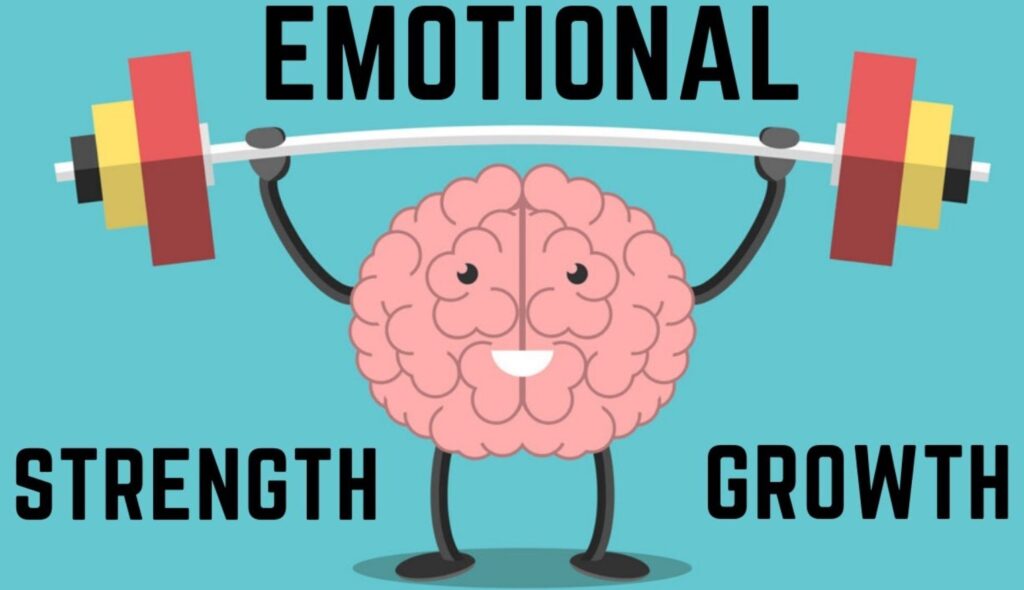
Middle schoolers may not always express their feelings clearly, but they certainly feel them strongly. These years can include:
- New emotions
- Peer pressure
- Self-doubt
- Excitement about growing up
- Confusion about identity
This emotional growth, although challenging at times, is essential. Students who learn to manage frustration, develop resilience, and build emotional awareness in middle school often become more balanced and confident teenagers.
Caring adults—teachers, mentors, parents—play an enormous role in helping students navigate this emotional landscape in a healthy way.
Teachers Play a Transformational Role
Middle school teachers often become the most unforgettable influences in a student’s life.
They understand the rapid changes children go through and know how to guide them academically, socially, and emotionally.
- A caring teacher can help a struggling student regain confidence.
- An encouraging teacher can spark an interest in science, math, writing, or history.
- A supportive teacher can help students believe in their abilities.
Many adults look back and realize that a middle school teacher helped shape their path more than they realized at the time.
It’s the Safest Stage to Make Mistakes
Another reason middle school is so important is that it gives students the freedom to learn through mistakes. Grades matter, but they don’t yet determine college admissions.
Students can experiment with activities, clubs, study habits, and personal interests without the overwhelming pressure of transcripts or long-term consequences.
This is where students can safely learn:
- What works for them
- What doesn’t
- How to manage time
- How to stay motivated
Using tools like the GPA Calculator Middle School helps students see their progress, encouraging them to improve without feeling overwhelmed.
Preparing for High School Success
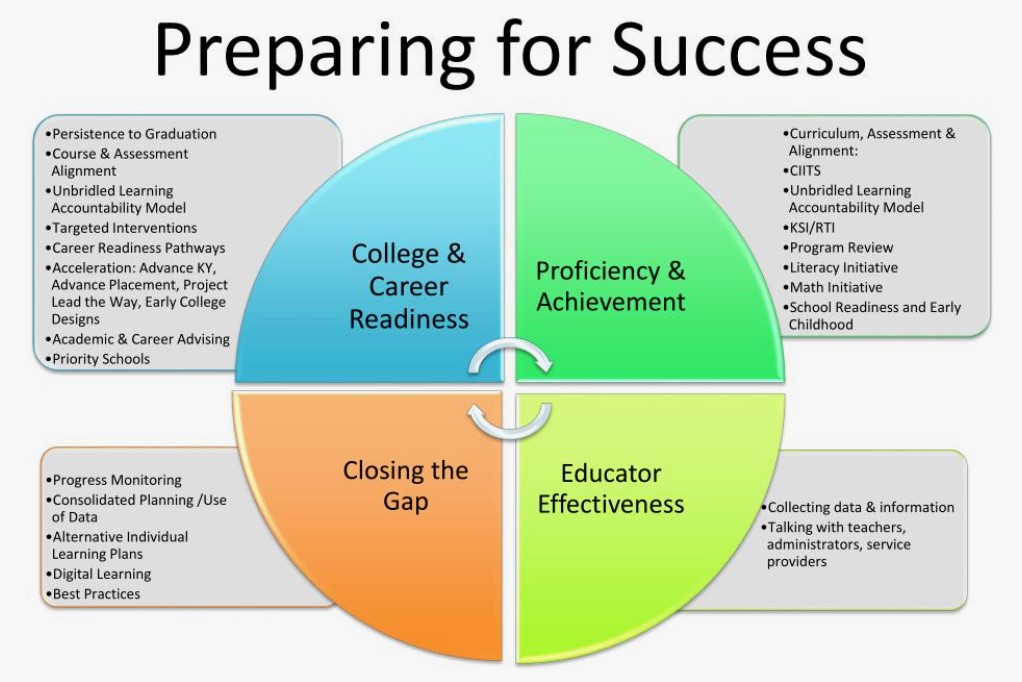
When students enter high school with stronger academic foundations, better habits, and improved self-confidence, they adapt faster and perform better.
Middle school prepares them by helping them understand:
- How much effort school requires
- How to balance academics with activities
- How to manage deadlines
- How to take responsibility
High school becomes smoother and less stressful for students who spent middle school learning, growing, and practicing good habits.
Also Read:
Why GPA Matters in Middle School Full Guide For Students
The Stage That Shapes the Future
Middle school might look like just another step in education, but it is truly the stage that shapes the future.
This is when students begin to understand who they are, what they want, and how they learn best.
They develop essential academic skills, emotional strength, social awareness, and independence.
Parents, teachers, and mentors who support children through these years—without pressure, but with encouragement—often see incredible long-term results.
Middle school is not just a bridge. It is the foundation, the spark, and the beginning of who students will become.
If you’d like help tracking academic progress during these important years, tools like the Middle School GPA Tracker can make a big difference.
They help students understand their performance early, giving them the confidence and clarity to grow into strong, motivated learners.
FAQs
1. Why is middle school considered the most important learning stage?
Middle school is important because it lays the foundation for academic skills, critical thinking, and study habits. What students learn during these years has a profound impact on their success in high school and beyond.
2. How does middle school affect a student’s future education?
Middle school prepares students for high school by improving time management, responsibility, and subject matter understanding. Strong performance in middle school often leads to better course placement later.
3. What skills do students develop most in middle school?
Students develop essential skills such as problem-solving, communication, independence, and self-confidence. These skills are important for both academic progress and personal development.
4. How can parents support learning during middle school?
Parents can help with middle school education by staying involved, monitoring grades, encouraging good study habits, and communicating regularly with teachers.
5. Why do good habits formed in middle school matter?
Good habits formed in middle school often last into high school and adulthood. Consistent study, goal setting, and responsibility help students achieve long-term academic success.