
Top Study Tips for Middle School Students to Improve Grades
Middle school is a time of big changes: new teachers, different subjects, and more homework than students might be used to.
It can feel overwhelming, but many students discover that small, steady habits make a big difference.
This article shares practical, friendly study tips based on what students often experience and find helpful.
Written in an easy, third-person tone, these ideas aim to boost confidence and improve grades step by step.
How to Improve Grades Using the GPA Calculator Middle School
A smart first step is for students to know exactly where they stand. When grades start to change, having a clear measure of progress helps set realistic goals.
Using a simple online tool like the GPA Calculator Middle School lets a student enter current grades and see how future scores will affect overall results.
Seeing the numbers often turns vague worries into clear targets — and that’s motivating.
Make a Simple, Consistent Study Schedule

Routines help middle school students succeed because they reduce decision fatigue.
A consistent study schedule can make homework feel normal rather than stressful.
- Pick a fixed time for homework each day, even if it’s short.
- Break study time into small blocks (for example, 25 minutes studying, 5 minutes break).
- Start with the hardest subject while energy is highest.
- Include a short review session each week to keep older material fresh.
When study time becomes part of daily life, learning happens more naturally and grades tend to improve.
Also Read:
10 Tips for Improving Your GPA in Middle School in 2025
Keep Materials and Notes Organized
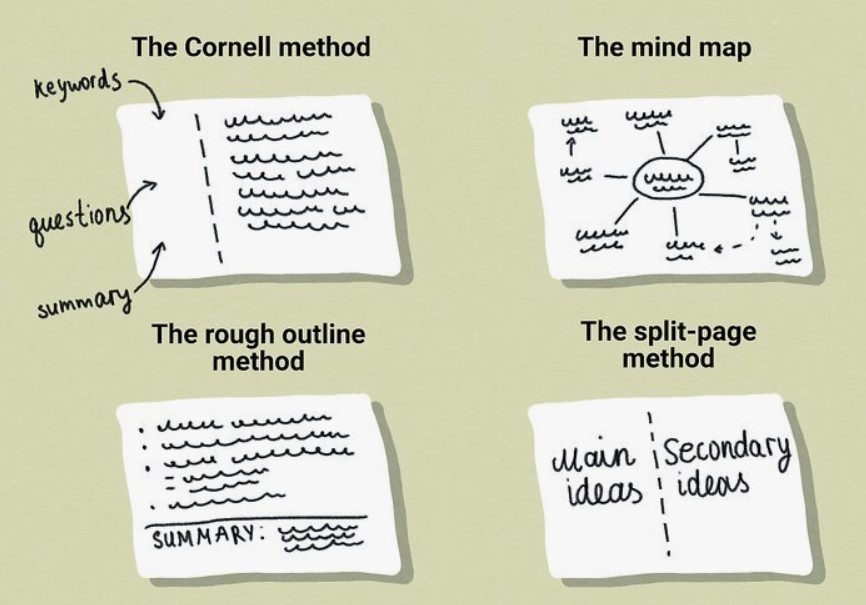
Middle schoolers often juggle several subjects and different teachers’ styles. Being organized saves time and reduces missed assignments.
- Use separate folders or binder sections for each subject.
- Write clear headings and date every set of notes.
- Keep a homework planner — paper or digital — and check it each evening.
- Pack the backpack the night before to avoid morning panic.
Good organization makes study sessions smoother and helps students focus on learning rather than searching for lost papers.
Ask Questions and Take Part in Class

Participating in class gives students immediate feedback and clarifies confusing ideas.
Many students find that the first time they ask a question it’s easier than they expected — and often others in class have the same question.
- Encourage raising a hand at least once a week until participation feels natural.
- If a student is shy, they can ask the teacher for a quick one-on-one after class.
- Teachers appreciate engagement and will often offer extra tips to students who show effort.
Active involvement builds understanding and confidence, which usually shows up as higher grades.
Use Short, Focused Study Sessions

Long, unfocused study blocks can be tiring and unproductive for middle school students. Shorter, focused sessions keep attention sharp.
- Try 20–30 minute focused blocks with 5–10 minute breaks.
- During a block, remove distractions (phones, games, loud music).
- Set a clear goal for each session: finish math problems, memorize five vocabulary words, or outline one paragraph.
This approach helps students maintain energy and makes follow-through much easier.
Also Read:
Healthy Routines for Middle School Academic Success
Practice Smart Note Review
Notes are useful only if they’re reviewed. Regular review turns short-term memory into long-term learning.
- Revisit notes the same day, then a few days later, and again before a test.
- Use flashcards for facts and formulas.
- Summarize a page of notes in one or two sentences to check understanding.
Reviewing smarter rather than harder helps students remember more with less stress.
Build Good Study Habits with Friends or Family
Studying with a friend or family member can make learning more enjoyable and effective. Peer study groups help students explain ideas in their own words — a strong way to learn.
- Form a small study group with classmates to quiz each other.
- Ask a parent to help by listening while the student reads or practices problems.
- Keep group study focused on one subject or goal to avoid getting off track.
Social support makes studying less lonely and often improves results.
Prepare for Tests the Right Way
Test prep is different from everyday homework. Students who plan their review and practice actively do much better.
- Start preparing several days before the test rather than cramming the night before.
- Practice with old quizzes, sample problems, and flashcards.
- Turn notes into quick study sheets and highlight main ideas.
- On test day, arrive rested and with all supplies ready.
Good test preparation reduces anxiety and helps students show what they know.
Track Progress and Set Small Goals

Improving grades is a process. Small, measurable goals keep students motivated.
- Track assignment scores and grades in a notebook or digital sheet.
- Celebrate small wins: a better quiz score, completing a study streak, or mastering a topic.
- If a grade slips, identify one thing to change next week — maybe extra practice or asking for help.
Occasional reflection helps students see progress and adjust their plan.
Also Read:
10 Middle School Tips for Balancing Schoolwork and Free Time
Use Helpful Tools Wisely
There are many tools that support learning. One well-timed tool can make goal setting clearer.
For example, the Middle School GPA Calculator helps students and parents model how future grades will affect overall GPA and set achievable targets.
Used alongside good study habits, such tools help students make smarter, data-based choices.
Middle school is the perfect time to build study skills that last a lifetime.
With simple routines, better organization, active class participation, and clear goals, students can improve grades and feel more confident. Small changes — made daily — lead to big results over time.
FAQs
1. What are the best study tips for middle school students?
The best study tips include creating a study schedule, reviewing lessons daily, staying organized, and asking teachers for help when needed.
2. How much should middle school students study each day?
Middle school students should study for about 1-2 hours per day, depending on homework and test schedules. Short, focused study sessions work best.
3. How can students stay focused while studying?
Students can stay focused by studying in a quiet place, taking short breaks, and avoiding distractions like cell phones while studying.
4. Do good study habits really improve grades?
Yes, good study habits lead to better understanding, better test scores, and overall higher grades over time.
5. How can students track their academic improvement?
Students can clearly see progress by regularly monitoring grades and using a middle school GPA calculator.