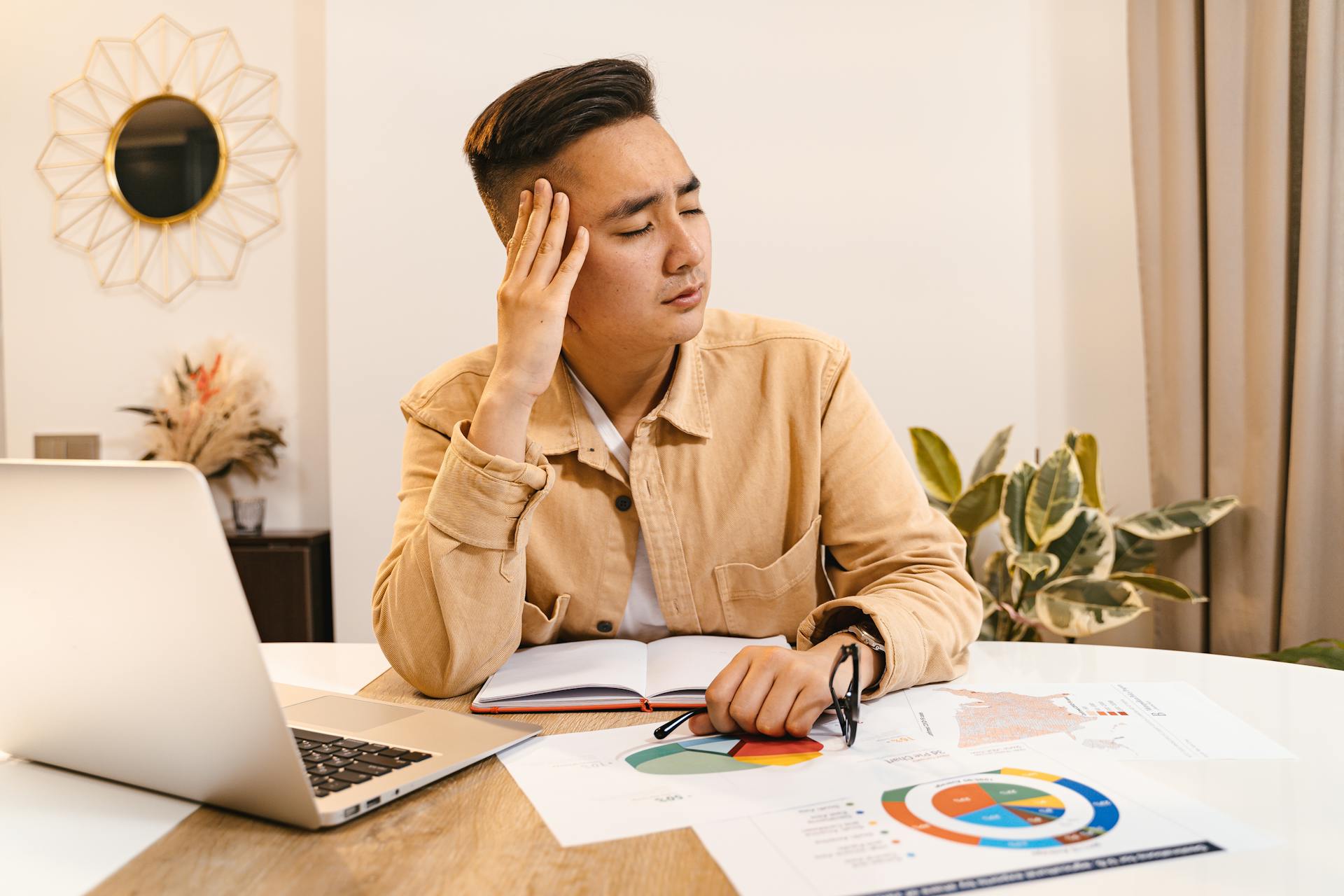

- Sleep consolidates memory — the brain stores what you learned while you sleep
- 8–10 hours is recommended for teenagers
- 70% of students don’t get enough sleep
- Sleep-deprived students score significantly lower on tests
- All-nighters backfire — they erase memory consolidation
- Poor sleep kills focus, problem-solving, and critical thinking
- Consistent sleep schedules directly raise GPA
- Fix sleep by: no screens, set bedtime, less caffeine
- Sleep is not laziness — it’s a top academic strategy
Getting better grades does not always come down to studying harder. Sometimes, the most powerful thing a student can do is close the textbook, turn off the lights, and go to sleep. This is not a lazy idea — it is backed by years of research, real classroom experience, and the stories of countless students who turned their academic performance around simply by fixing their sleep habits.
This article explores why sleep is one of the most underrated academic tools available to every student, how it directly affects grades and memory, and what parents and students can do starting tonight to make a real difference.
Why Sleep Is Not “Just Rest”
Many students think of sleep as wasted time. They see it as something that gets in the way of finishing homework, watching videos, or scrolling through social media. But sleep is not passive. The brain is incredibly active during sleep. It is cleaning itself, sorting through the day’s information, strengthening memories, and preparing for the next round of learning.
Dr. Matthew Walker, a neuroscientist and author of Why We Sleep, has spent decades studying what happens in the brain during sleep. His research shows that sleep plays a direct role in how well the brain encodes and retains new information. In other words, what a student learns during the day only truly sticks when they sleep properly at night.
Think of it this way: the brain is like a whiteboard. During the day, students write all kinds of information on it — new vocabulary, math formulas, historical dates, scientific concepts. During sleep, the brain transfers that information from the whiteboard into long-term storage. Without sleep, that whiteboard gets too full, and new information simply cannot stay.
The Real Numbers: What Research Actually Shows
The connection between sleep and academic performance is not just a theory — the numbers speak clearly.
A study published in the journal Sleep Health found that students who slept fewer than 6 hours per night scored significantly lower on standardized tests compared to those who slept 8 to 9 hours. The grade gap between well-rested and sleep-deprived students was not minor. In many cases, it was the difference between a B and a C, or between passing and failing.
A survey of over 73,000 high school students across the United States found that more than 70% reported not getting enough sleep on school nights. The recommended amount for teenagers is between 8 and 10 hours, yet the average high school student gets only about 6.5 hours. That is a significant gap — and it has real academic consequences.
Even a single night of poor sleep can reduce cognitive performance. Research from the University of Pennsylvania showed that staying awake for 17 to 19 hours straight leads to a level of impaired performance similar to having a blood alcohol content of 0.05%. Yet students regularly pull all-nighters before exams, thinking they are helping themselves.
Sleep and Memory: A Deeper Connection

One of the most important things sleep does for students is consolidate memory. Memory consolidation is the process by which newly learned information gets transferred from short-term memory to long-term memory. This process happens almost entirely during sleep — specifically during the deep stages and the REM (Rapid Eye Movement) stage.
During REM sleep, the brain replays the events of the day. It strengthens the connections between neurons that were activated while learning. This is why students who study and then sleep actually remember more than students who study for the same amount of time but skip sleep.
Consider the experience of Maya, a high school junior who used to study until 2 AM before big tests. Despite putting in the hours, she kept forgetting key information during exams. Her teacher suggested she try a different approach: study until 10 PM, then sleep a full 8 hours. The next test, Maya was surprised to find that she could recall information she thought she had forgotten. She scored 12 points higher than her previous attempt. The content was the same. The only thing that changed was her sleep.
This kind of experience is not unique to Maya. Students and educators across the world report the same pattern. Adequate sleep acts like a memory-saving function for the brain. Without it, even the hardest work can go to waste.
How Sleep Deprivation Hurts Grades

Beyond memory, sleep deprivation affects several other abilities that are essential for academic success.
Attention and Focus
When students are sleep-deprived, their ability to pay attention drops dramatically. They sit in class but cannot follow the lesson. Their minds drift. They miss key explanations and spend the rest of the class confused. Teachers notice this regularly. Students who come to school well-rested are more engaged, ask better questions, and absorb information more effectively.
Problem-Solving and Critical Thinking
Higher-level thinking — the kind needed for essay writing, math problem-solving, and scientific reasoning — is extremely sensitive to sleep deprivation. The prefrontal cortex, which handles these skills, is one of the first areas of the brain to suffer when sleep is cut short. Students who are tired struggle to think creatively, analyze situations deeply, or make logical connections between ideas.
Emotional Regulation
Sleep-deprived students are also more likely to feel anxious, irritable, and emotionally overwhelmed. This affects their willingness to participate in class, ask for help, work in groups, and handle academic pressure. A student who feels emotionally exhausted is not in the right state of mind to learn or perform at their best.
Test Performance
Perhaps the most direct effect of sleep deprivation is on test scores. Students who pull all-nighters before exams consistently perform worse than students who studied moderately and slept well. The temporary boost in study time does not compensate for the memory consolidation, alertness, and cognitive sharpness that sleep provides.
The All-Nighter Myth: Why It Does Not Work
The all-nighter is one of the most persistent myths in student culture. The idea is simple: if you have not learned enough, studying all night before a test will make up for it. In reality, this strategy almost always backfires.
James, a college freshman, tried this approach during his first round of midterms. He stayed up all night studying chemistry, drank multiple cups of coffee, and walked into his exam exhausted. He blanked on formulas he had studied. His concentration collapsed halfway through the test. He scored lower than his classmates who had stopped studying at midnight and slept for 7 hours.
The science is clear. During an all-nighter, the brain does not get the sleep it needs to consolidate what was just studied. The student ends up losing the benefit of everything they reviewed. Worse, sleep deprivation impairs recall — so even information the student already knew before the all-nighter becomes harder to access.
The smarter approach is to spread studying over multiple days and sleep properly each night. This method, known as spaced repetition combined with good sleep hygiene, is far more effective than last-minute cramming without rest.
Sleep and GPA: A Direct Link
Researchers at the Massachusetts Institute of Technology (MIT) conducted a study in 2019 that tracked the sleep habits and academic performance of 100 college students over a full semester. They gave students fitness trackers to monitor their sleep and then compared the data to their grades.
The results were striking. Students who maintained consistent sleep schedules and slept for an average of 7 to 9 hours per night had significantly higher GPAs than those with irregular or short sleep patterns.
The researchers noted that it was not just the total amount of sleep that mattered — consistency was equally important. Students who slept and woke at regular times outperformed those with irregular schedules, even when total sleep hours were similar.
For younger students trying to track or improve their academic standing, tools like a gpa middle school calculator can help identify patterns in performance over time and motivate better habits — including sleep — that directly influence results.
What Good Sleep Looks Like for Students
So what does proper sleep actually look like for students at different ages? Here are the recommended guidelines from the American Academy of Sleep Medicine:
- Elementary school students (ages 6–12): 9 to 12 hours per night
- Teenagers (ages 13–18): 8 to 10 hours per night
- College students and young adults: 7 to 9 hours per night
These are not aspirational targets — they are biological requirements. The brain and body of a growing student need this much sleep to function at their full academic potential.
Practical Tips to Help Students Sleep Better

Knowing the importance of sleep is one thing. Actually achieving it is another. Here are real, practical strategies that parents and students can start using immediately.
1. Set a Consistent Bedtime
The body has an internal clock called the circadian rhythm. When students go to bed and wake up at the same time every day — including weekends — this clock stays synchronized. Irregular sleep schedules disrupt the circadian rhythm and make it harder to fall asleep and wake up feeling refreshed.
2. Remove Screens Before Bed
Phones, tablets, computers, and televisions emit blue light, which suppresses the production of melatonin — the hormone that makes people feel sleepy. Students who use screens right before bed take longer to fall asleep and sleep less deeply. Turning off screens at least 60 minutes before bedtime makes a noticeable difference in sleep quality.
3. Create a Sleep-Friendly Environment
The bedroom should be cool, dark, and quiet. A room that is too warm, too bright, or too noisy signals the brain to stay awake. Small changes like blackout curtains, a white noise machine, or simply lowering the thermostat can improve sleep quality significantly.
4. Avoid Caffeine After 2 PM
Caffeine has a half-life of about 5 to 7 hours. This means that a cup of coffee drunk at 4 PM still has half its caffeine in the body at 10 PM. For students who struggle to fall asleep, cutting back on caffeine in the afternoon is one of the fastest fixes.
5. Wind Down With a Routine
The brain does not switch from full activity to sleep instantly. A calming pre-sleep routine — such as light reading, stretching, journaling, or listening to soft music — signals the brain that it is time to shift into sleep mode. Even 15 to 20 minutes of a consistent wind-down routine can dramatically improve sleep onset.
6. Limit Heavy Studying Right Before Bed
Doing intense mental work — especially stressful review sessions — right before bed can raise alertness levels and make it harder to fall asleep. Students get better results from stopping heavy studying about an hour before sleep and doing light review instead.
The Role of Parents and Schools
Improving student sleep is not the responsibility of students alone. Parents and schools play a significant role.
Parents can help by enforcing consistent bedtimes, keeping household noise levels down in the evenings, monitoring screen use, and having honest conversations with their children about why sleep matters for grades and overall health.
Schools can contribute by adjusting start times. A growing body of research supports later school start times for middle and high school students, whose natural circadian rhythms shift during adolescence, making it biologically difficult for them to fall asleep before 11 PM. Schools that have moved their start times to 8:30 AM or later have consistently reported improvements in attendance, grades, and student mental health.
Sleep Is a Long-Term Investment in Academic Success
It is easy to think of sleep as something that can be traded away for productivity. But in reality, cutting sleep to gain study time is like withdrawing from a savings account. It might feel helpful in the short term, but it reduces the ability to perform well over time.
Students who prioritize sleep do not just perform better on individual tests — they build healthier habits, stronger memories, and more resilient minds. They show up to class focused, ready to engage, and capable of the kind of deep thinking that truly impresses teachers and earns top grades.
Samara, a high school senior and class president, shared her experience: “I used to think sleeping early was something only little kids needed. Once I started sleeping 8 hours consistently, my grades improved across every subject. I was less stressed, I remembered more in class, and studying felt easier because my brain was actually working.”
Her story is not an exception — it is the result of a simple, powerful choice that every student can make.
Summary
- Sleep is not wasted time — the brain is actively consolidating memories, cleaning itself, and preparing for the next day of learning during sleep
- 8–10 hours per night is the recommended sleep for teenagers — most are only getting around 6.5 hours, creating a serious academic gap
- 70% of high school students are sleep-deprived, which directly and negatively impacts their grades, focus, and test scores
- Memory consolidation happens during sleep — everything studied during the day only truly transfers to long-term memory after a full night of rest
- All-nighters consistently backfire — students who skip sleep before exams perform worse than those who studied less but slept a full 7–9 hours
- Sleep sharpens critical thinking and focus — the prefrontal cortex, responsible for problem-solving and deep thinking, is one of the first areas hurt by sleep deprivation
- Consistent sleep schedules matter — MIT research showed students with regular sleep routines had significantly higher GPAs than those with irregular patterns
- Emotional health is tied to sleep — sleep-deprived students feel more anxious, irritable, and overwhelmed, making it harder to engage in class or handle academic pressure
- Simple fixes make a big difference — turning off screens 60 minutes before bed, setting a fixed bedtime, cutting caffeine after 2 PM, and creating a calm wind-down routine all improve sleep quality
- Sleep is the smartest academic strategy — it is not a luxury or laziness, it is a biological necessity that every student needs to prioritize for better grades and long-term success
Final Thoughts
The path to better grades does not always run through longer study sessions, expensive tutoring, or performance-enhancing supplements. Sometimes, the single most powerful academic strategy available to a student is simply going to bed on time.
Sleep improves memory, sharpens focus, enhances problem-solving, supports emotional balance, and raises test scores. The research is overwhelmingly clear, and the real-world experiences of students, teachers, and researchers all point to the same conclusion: sleep is not a luxury — it is a necessity for academic success.
Every student deserves to perform at their best. And the best version of any student starts with a good night’s sleep.
FAQs
How does sleep affect academic performance?
Sleep directly impacts memory consolidation, focus, critical thinking, and emotional regulation. Students who sleep 8–10 hours per night consistently score higher on tests, retain more information, and perform better academically than sleep-deprived peers.
How many hours of sleep does a student need for better grades?
According to the American Academy of Sleep Medicine, teenagers need 8–10 hours per night, while college students need 7–9 hours. Consistently sleeping within these ranges has been directly linked to higher GPA and improved test scores.
Is it better to study late or sleep before an exam?
Sleeping is better. Research proves that all-nighters backfire — the brain cannot consolidate new information without sleep. Students who study moderately and sleep a full 7–9 hours consistently outperform those who stay up all night cramming.
Can lack of sleep cause bad grades?
Yes. Sleep deprivation reduces attention span, weakens memory recall, impairs problem-solving, and increases anxiety. Studies show that students sleeping fewer than 6 hours per night score significantly lower than well-rested students across all subjects.
What is the best sleep schedule for students to improve grades?
The best schedule is a consistent one — sleeping and waking at the same time daily, even on weekends. MIT research confirmed that students with regular sleep routines achieved noticeably higher GPAs than those with irregular or inconsistent sleep patterns.