

Here are the 10 tips in a short list:
- Understand how your GPA is calculated
- Get organized with a daily planner
- Attend every class and stay focused
- Build a consistent study routine
- Ask teachers for help when needed
- Take effective notes in class
- Prepare strategically for tests
- Take care of your health and sleep
- Avoid procrastination and bad habits
- Set clear goals and track your progress
Middle school is one of the most important chapters in a student’s academic life. It is the bridge between the easy-going days of elementary school and the high-pressure world of high school. Students who build strong study habits and a healthy mindset during these years often carry those skills all the way through college and beyond.
Many parents and students ask the same question every year: How do I actually raise my GPA? The answer is not just about studying harder. It is about studying smarter, staying consistent, and making a few key changes that add up over time.
A student named Layla, a 7th grader from Texas, once shared her story online. She started the school year with a 2.4 GPA and felt completely stuck. By the end of the year, she had pulled it up to a 3.6 GPA — not because she gave up her social life, but because she made a few small but powerful changes to her daily routine. Her journey inspired many students around her. This article breaks down exactly what works, based on real student experiences and proven academic strategies.
Let us dive into the 10 best tips for improving your GPA in middle school in 2026.
1. Understand How Your GPA Is Calculated
Before trying to improve something, a student has to understand what it actually means. Many middle schoolers have no idea how their GPA (Grade Point Average) is calculated. A student cannot fix a problem they do not fully understand.
In most middle schools, letter grades are converted into grade points like this:
- A = 4.0
- B = 3.0
- C = 2.0
- D = 1.0
- F = 0.0
These points are averaged across all subjects to create a GPA score. The higher the GPA, the stronger the academic record.
One practical tool that many students and parents find incredibly helpful is a Grade Calculator Middle School. This kind of tool lets students plug in their current grades and see exactly how a better score on the next test will affect their overall GPA. It removes the guesswork and gives students a clear, motivating target to shoot for.
When students see the numbers laid out clearly, they feel more in control. That sense of control is often the spark that gets things moving in the right direction.
2. Get Organized — Make It a Daily Habit

Disorganization is one of the #1 reasons students see their grades drop in middle school. At this level, students are suddenly managing 5 to 7 different subjects, each with its own homework, deadlines, and teacher expectations.
Marcus, an 8th grader from Ohio, used to forget assignments constantly. His grades were suffering, not because he was not smart, but because he simply did not know what was due when. His school counselor suggested something simple: a planner. Not an app, just a basic paper planner. Within 4 weeks, Marcus said his stress levels dropped and his grades started climbing.
Here is what good organization looks like in 2026:
- Write down every assignment the moment it is given
- Use a color-coded system for different subjects
- Check the planner every night before bed
- Pack the school bag the night before
Organization is not a talent. It is a skill. And like all skills, it gets better with practice.
3. Attend Every Class and Pay Attention
This tip sounds obvious, but it is worth saying clearly: showing up matters more than most students realize. Studies show that students who miss 10% or more of their school days are significantly more likely to fall behind academically.
But attendance is only half the story. The other half is active presence. Sitting in class while scrolling through thoughts about lunch or staring out the window is not the same as actually being there mentally.
Active listening means:
- Putting away distractions
- Making eye contact with the teacher
- Taking notes in your own words
- Asking at least one question per class when something is unclear
Teachers notice the students who are engaged. That positive relationship often leads to extra help, extra opportunities, and yes — sometimes a little grace when a student is on the borderline of a grade.
4. Build a Consistent Study Routine

The word “consistent” is the key here. One marathon study session on a Sunday night is not nearly as effective as 30 minutes of focused study every single day. This is backed by decades of research on how the brain retains information.
Spaced repetition — the practice of reviewing material across multiple days — helps information move from short-term memory to long-term memory. Students who cram often forget 70% of what they studied within 24 hours.
A good daily study routine for middle schoolers looks like this:
- 3:30–4:00 PM — Snack and a short break after school
- 4:00–5:00 PM — Complete all homework
- 5:00–5:30 PM — Review notes from the day
- 5:30 PM onward — Free time, sports, dinner, family
Consistency beats intensity every time. A student who studies 30 minutes daily for 5 days will almost always outperform one who pulls a 3-hour session the night before a test.
5. Ask for Help — Teachers Are There for a Reason
Many middle school students are afraid to ask for help. They worry about looking unintelligent in front of their peers. This fear costs them dearly.
Asking questions is a sign of intelligence, not weakness. The students who ask the most questions are usually the ones who understand the most by the end of the unit.
Here are some ways students can seek help without feeling embarrassed:
- Visit the teacher before or after class for a quick question
- Email the teacher with a specific question
- Ask a trusted classmate or study partner
- Look for free tutoring resources online, such as Khan Academy, Quizlet, or YouTube educational channels
In 2026, there are more free learning resources available than ever before. Students who take advantage of them have a real edge over those who do not.
6. Take Notes the Right Way
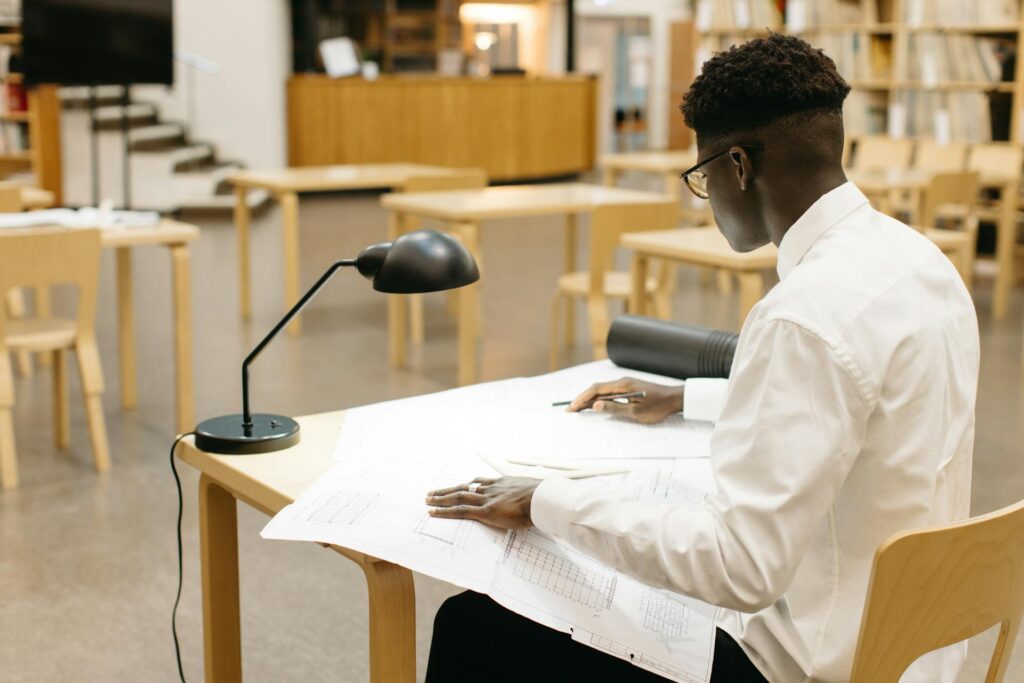
Not all note-taking is equal. A student who scribbles down random words during class is not really taking notes — they are just making noise on paper.
Effective note-taking is an active process. It forces the brain to process information in real time and reinforces memory.
Here are 3 proven note-taking strategies that work well for middle schoolers:
The Cornell Method: Divide the page into two columns. The left column is for keywords and questions. The right column is for detailed notes. At the bottom, write a 2–3 sentence summary of the page.
Mind Mapping: Great for visual learners. Start with a central idea and branch out into subtopics with colors and symbols.
The Outline Method: Use bullet points and sub-bullets to organize information in a hierarchy. Best for subjects like History and Science.
A student named Priya, a 6th grader from California, switched from random scribbling to the Cornell Method after her older sister recommended it. Within one semester, her Science grade went from a C to an A-. She said the biggest change was that reviewing for tests became much faster because her notes were already organized.
7. Prepare Strategically for Tests
Most middle school students study for tests the wrong way. They re-read their textbook pages or look over their notes passively. Research consistently shows that active recall — actually testing yourself on the material — is far more effective.
Here is a test prep strategy that works:
Step 1: 48 hours before the test, review all notes and make a list of key concepts.
Step 2: 24 hours before, quiz yourself. Use flashcards, practice problems, or ask a parent to quiz you verbally.
Step 3: The morning of the test, do a light 15-minute review. Do not cram new material. Just refresh what you already know.
Students who follow this pattern often walk into tests feeling calm and confident rather than panicked. That emotional state matters more than most people realize — anxiety can block memory recall even when a student knows the material.
8. Take Care of Your Physical and Mental Health

Here is a truth that does not get talked about enough in academic circles: health and GPA are directly linked. A tired, stressed, or poorly-nourished student cannot perform at their best, no matter how hard they try.
Research from the National Sleep Foundation consistently shows that students aged 11 to 14 need 8 to 10 hours of sleep per night. Students who get fewer than 7 hours show measurably lower performance in memory, attention, and problem-solving.
Sleep is not lazy. Sleep is strategic.
In addition to sleep, here are other health habits that support academic performance:
- Eat a real breakfast — students who skip breakfast score lower on attention and memory tests
- Exercise regularly — even 20 to 30 minutes of movement daily improves focus and reduces stress hormones
- Limit screen time before bed — the blue light from phones and tablets suppresses melatonin and delays sleep
- Talk to someone when stress feels overwhelming — a parent, counselor, or trusted adult
Mental health is just as important as physical health. Students who feel emotionally supported perform better academically. There is no shame in struggling, and there is great strength in asking for support.
9. Avoid These Common GPA-Killing Habits
Improving a GPA is not just about adding good habits — it is also about removing the bad ones. Here are the top habits that silently destroy middle school GPAs:
Procrastination — Putting off assignments until the last minute leads to rushed, low-quality work and massive stress. The cure is simple: start every assignment the same day it is given, even if only for 5 minutes.
Multitasking while studying — The brain cannot truly do two things at once. A student watching TV while doing homework is doing both poorly. Create a distraction-free study zone.
Not reviewing graded work — Most students look at a grade, feel good or bad about it, and move on. The students who improve are the ones who review their mistakes and understand exactly what went wrong.
Giving up on a subject — Some students decide early on that they are “bad” at Math or “bad” at English. This mindset becomes a self-fulfilling prophecy. No student is permanently bad at any subject. They just have not found the right approach yet.
Skipping assignments — A missing assignment does not just give a zero for that task. In many grading systems, it drags down the entire grade category. One missing homework can cost more points than a bad test score.
10. Set Clear Goals and Track Your Progress
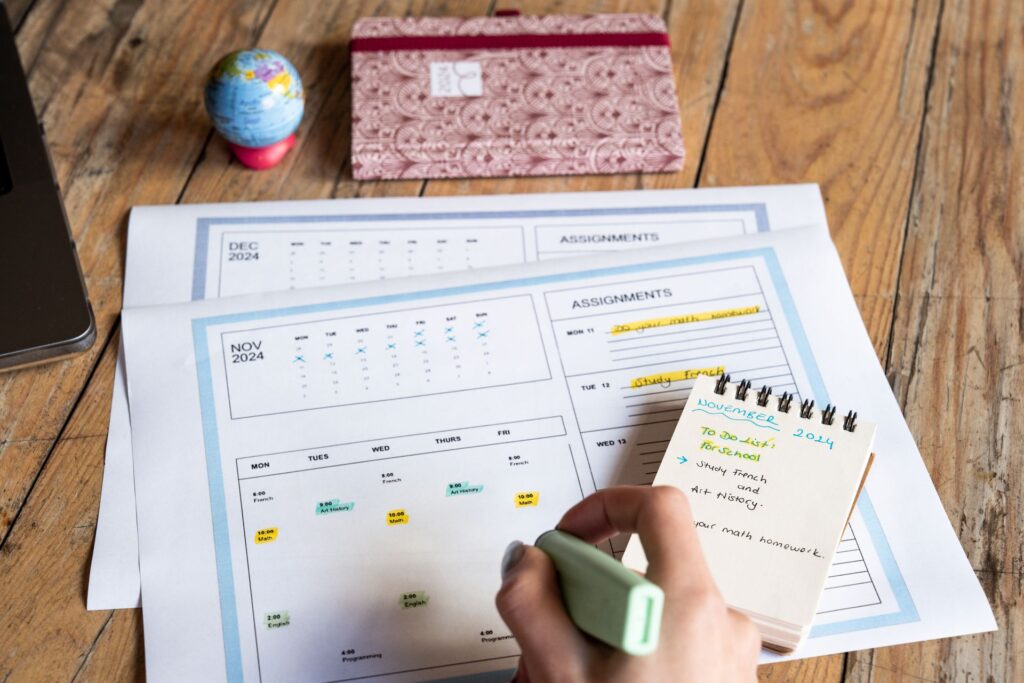
Every successful student has one thing in common: they know where they are going. Setting clear, specific academic goals gives students direction, motivation, and a way to measure progress.
Vague goals like “I want to do better” do not work. Specific goals do.
Here is how to set a GPA goal the right way:
Step 1: Find out your current GPA. Use your school portal, report card, or a Grade Calculator Middle School tool to get an accurate number.
Step 2: Set a realistic target. If your current GPA is 2.5, aim for 3.0 by the end of the semester — not 4.0 overnight.
Step 3: Break the big goal into subject-level mini-goals. For example: “I will bring my Math grade from a C to a B by the next grading period.”
Step 4: Track progress weekly. Write it in a journal, a notes app, or on a sticky note on the wall. Seeing movement — even small movement — is deeply motivating.
Step 5: Celebrate wins. When a grade improves, take a moment to acknowledge it. Positive reinforcement strengthens motivation for the next push.
Amara, a 7th grader from Georgia, kept a simple “grade tracker” notebook where she wrote her current grade in each subject every Friday. By mid-semester, she noticed her English grade was slipping while everything else was improving. Because she caught it early, she reached out to her teacher, got extra help, and finished the semester with a B+ in English — her best grade in that subject ever. Goal-tracking gave her the awareness to act before it was too late.
Summary
- GPA improvement starts with understanding how grades are calculated and using tools like a Grade Calculator to track progress
- Staying organized with a planner helps students manage multiple subjects and never miss deadlines
- Attending every class and paying active attention builds a strong foundation of knowledge
- A consistent daily study routine of even 30 minutes beats last-minute cramming every time
- Asking teachers for help and using free resources like Khan Academy removes knowledge gaps early
- Taking smart, structured notes using methods like the Cornell Method makes test prep much easier
- Strategic test preparation starting 48 hours before reduces anxiety and improves performance
- Getting 8 to 10 hours of sleep, eating well, and exercising regularly directly boosts academic performance
- Avoiding bad habits like procrastination, multitasking, and skipping assignments protects your GPA from silent damage
- Setting specific, measurable goals and tracking grades weekly keeps students motivated and on the right path to success
Final Thoughts: Small Changes, Big Results
Improving a GPA in middle school does not require superhuman effort or giving up everything else in life. It requires intention, consistency, and a willingness to try things differently.
The 10 tips covered in this article — from understanding GPA calculation, building organization habits, attending class with purpose, studying consistently, seeking help, taking smart notes, preparing strategically for tests, protecting health, avoiding bad habits, and setting clear goals — are all things any middle school student can start doing today.
Middle school does not last forever. But the habits built during these years? Those last a lifetime.
FAQs
What is a good GPA for middle school?
A GPA of 3.0 or above is generally considered good in middle school. A 3.5 to 4.0 is excellent and puts students on a strong path for high school honors classes.
How can I raise my GPA fast in middle school?
The fastest way is to complete all missing assignments, study consistently using active recall, ask teachers for extra help, and use a Grade Calculator to identify which subjects need the most attention.
Does middle school GPA affect high school?
Yes. A strong middle school GPA helps students qualify for advanced or honors classes in high school, which directly impacts college applications and future opportunities.
How many hours should a middle schooler study per day?
Most experts recommend 1 to 2 hours of focused study per day for middle schoolers. Quality and consistency matter more than the total number of hours spent.
What is the biggest reason middle school students have a low GPA?
The most common reasons are missing assignments, poor organization, inconsistent study habits, and not asking for help early enough when falling behind in a subject