

- Blueberries — improves memory
- Fatty Fish — omega-3 for focus
- Eggs — choline for brain health
- Walnuts — best plant-based omega-3
- Dark Chocolate — sharpens focus
- Leafy Greens — slow-burn brain fuel
- Oats — steady energy all day
- Pumpkin Seeds — zinc & magnesium
- Avocados — healthy fats for circulation
- Green Tea — calm, clean focus
Good food is not just about staying healthy — it is about staying sharp. Every student knows the pressure of late-night study sessions, back-to-back exams, and the constant demand to focus, retain, and recall information. What many students do not realize is that the food they eat plays a massive role in how well their brain actually performs. Science has proven it, nutritionists swear by it, and students who have made the switch to brain-boosting foods will tell you — it genuinely changes everything.
This article is not a dry science lecture. It is a real, practical guide based on experience, research, and the kind of honest advice that actually helps students perform better — in class, during exams, and in life.
Why What You Eat Directly Affects How You Think
The brain is arguably the most energy-hungry organ in the human body. It consumes roughly 20% of the body’s total energy, even though it only makes up about 2% of total body weight. That means the fuel a student puts into their body has a direct, almost immediate impact on memory, concentration, mood, and mental stamina.
Many students reach for energy drinks, chips, or fast food when they are stressed or tired. These foods cause blood sugar to spike and then crash hard — leaving them feeling foggy, irritable, and unable to focus. On the other hand, students who consistently eat nutrient-dense, brain-supporting foods report better concentration, improved memory retention, and even reduced anxiety before exams.
A student named Riya, a university sophomore who struggled with afternoon brain fog during her first year, made a simple change — she swapped her daily bag of chips and soda for walnuts, blueberries, and green tea. Within 3 weeks, she noticed she could study for longer stretches without losing focus. Her story is not unique. It is a pattern that repeats itself among students who pay attention to what they eat.
The Connection Between Academic Performance and Diet
Before diving into the list, it helps to understand the why behind brain food. The brain needs a steady supply of:
- Glucose — its primary energy source
- Omega-3 fatty acids — for building and repairing brain cells
- Antioxidants — to protect brain cells from oxidative stress
- B vitamins — for neurotransmitter production and nerve function
- Iron, zinc, and magnesium — for focus, learning, and sleep quality
When students skip meals, eat heavily processed foods, or rely on caffeine and sugar, they are essentially running their brain on an empty or dirty fuel tank. The good news is that small, consistent dietary changes can lead to noticeable improvements — not just academically, but emotionally and physically too.
Just like students use a weighted GPA calculator middle school tool to measure academic performance accurately, understanding how to measure and manage nutritional input gives students a precise advantage in optimizing brain performance.
10 Best Foods for Students to Boost Brain Power
1. Blueberries — The Memory Berry
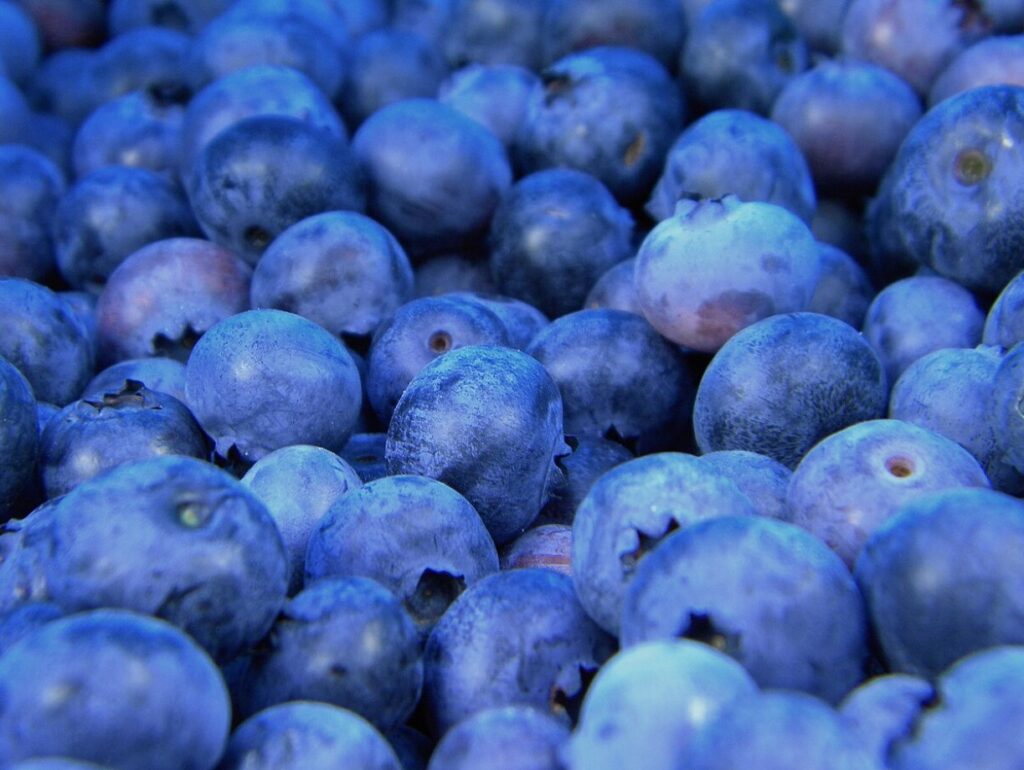
Blueberries are often called a superfood, and for very good reason. They are packed with flavonoids, particularly anthocyanins, which have been shown to improve communication between brain cells and enhance memory formation. Research from the University of Exeter found that drinking concentrated blueberry juice improved brain activity and memory in adults significantly.
For students, this means better short-term memory — the kind you need when recalling formulas, dates, vocabulary, or concepts during an exam. Fresh or frozen, blueberries can be tossed into oatmeal, smoothies, or eaten as a snack on their own.
Pro tip: Keep a small container of frozen blueberries in a bag and let them thaw while studying. They make a sweet, satisfying snack that feeds the brain without a sugar crash.
2. Fatty Fish — Omega-3 for the Thinking Brain
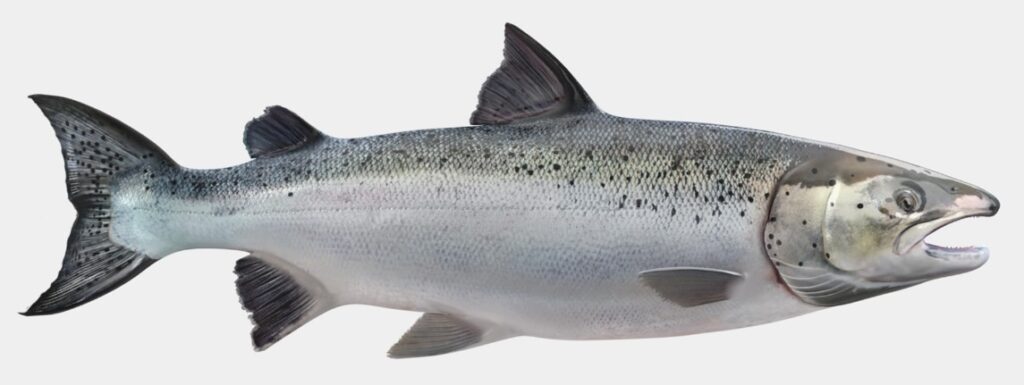
Salmon, sardines, mackerel, and trout are among the richest sources of omega-3 fatty acids, especially DHA (docosahexaenoic acid). DHA makes up a significant portion of the brain’s grey matter and is essential for maintaining healthy neuron structure and function.
Studies consistently show that students with higher omega-3 intake perform better on cognitive tests. One study published in PLOS One found that students who regularly consumed fatty fish scored higher on reading, memory, and attention tests compared to those who did not.
If fish is not easily accessible, fish oil supplements are a solid alternative. But whole food sources are always better when available. A grilled salmon fillet twice a week can genuinely make a difference in mental clarity and mood stability.
3. Eggs — The All-in-One Brain Booster

Eggs are one of the most complete brain foods available, and they are affordable — a critical factor for most students. They are rich in choline, a nutrient that the body uses to produce acetylcholine, a neurotransmitter critical for memory and mood regulation.
Studies have linked higher choline intake with better cognitive function and a reduced risk of mental decline. One large egg contains approximately 147 mg of choline, which is a significant portion of the daily recommended intake of 425–550 mg.
Beyond choline, eggs also provide B12, B6, folate, and selenium — nutrients that support brain energy and protect against cognitive fatigue. A student who eats 2 eggs for breakfast is already giving their brain a powerful head start before the first lecture of the day.
4. Walnuts — The Brain-Shaped Snack
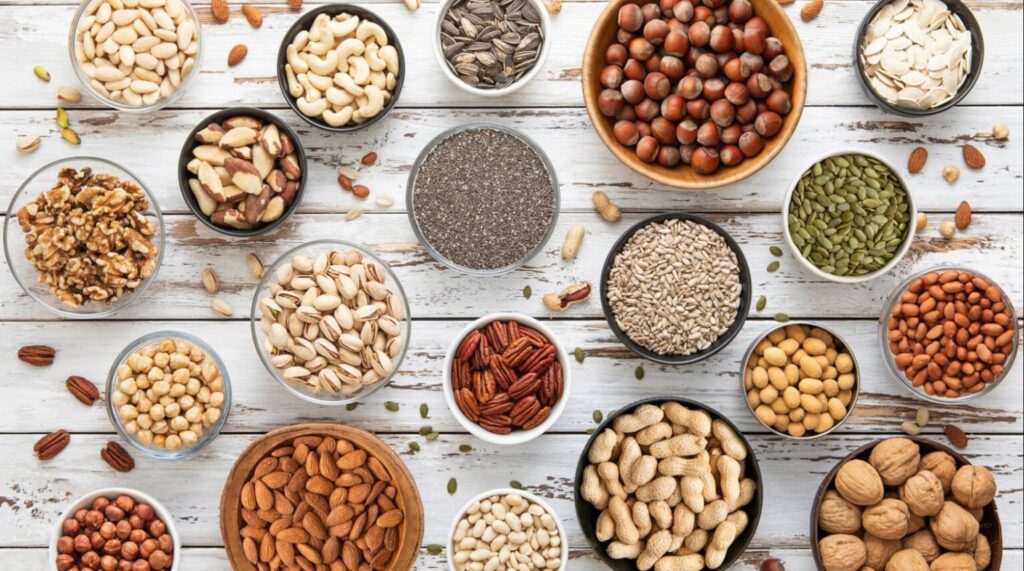
It is no coincidence that walnuts look like tiny brains. They are one of the best plant-based sources of omega-3 fatty acids (ALA), and they are also rich in vitamin E, polyphenols, and melatonin — all of which protect the brain and support healthy sleep cycles.
A study published in the Journal of Nutrition found that higher walnut consumption was associated with better cognitive performance in adults across multiple tests. For students pulling late nights, walnuts are particularly useful because they support deep sleep quality, which is when the brain consolidates learning and memory.
Just a small handful — about 7 to 8 walnuts — is enough to get meaningful nutritional benefits. They pair well with dark chocolate, fruit, or can simply be eaten on their own between study sessions.
5. Dark Chocolate — Yes, Really

Dark chocolate (at least 70% cocoa) is not just a treat — it is a genuine brain food. It contains flavonoids, caffeine, and theobromine, all of which work together to enhance brain blood flow, sharpen focus, and boost mood.
The flavonoids in dark chocolate accumulate in the brain regions associated with learning and memory, and research from Loma Linda University found that consuming dark chocolate with high cacao content increased brain wave activity linked to memory, immunity, and cognitive processing.
A 30–40 gram piece of dark chocolate during an afternoon study session can elevate alertness and improve mood without the crash that comes from sugary treats. It is one of the easiest and most enjoyable dietary upgrades a student can make.
6. Leafy Green Vegetables — The Brain’s Slow-Burn Fuel

Spinach, kale, broccoli, and Swiss chard are not the most exciting foods, but they might be the most important ones on this list. They are loaded with folate, vitamin K, lutein, and beta-carotene — nutrients that slow cognitive decline and support the growth of new brain cells.
A study from Rush University Medical Center found that people who ate one to two servings of leafy greens per day had the cognitive ability of someone 11 years younger than those who rarely ate greens. Eleven years — that is a staggering difference.
For students, this translates into sustained mental sharpness throughout the academic year. Adding a handful of spinach to a smoothie, or having a side salad with meals, requires almost no extra effort and pays back in cleaner thinking and better focus.
7. Oats — The Steady Energy Engine
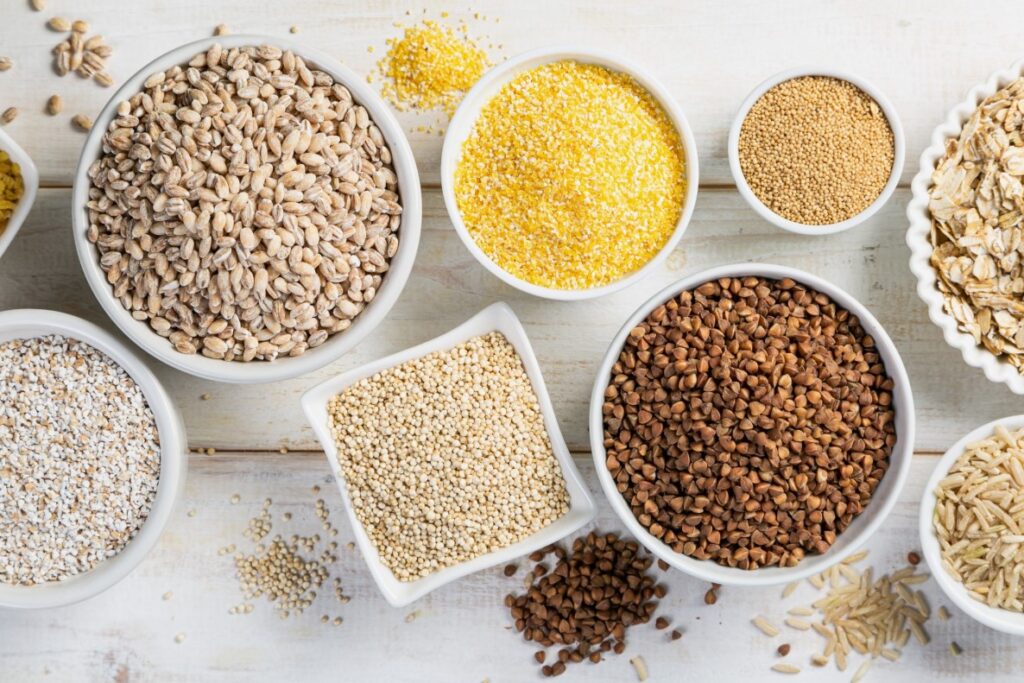
Oats are one of the best sources of complex carbohydrates available. Unlike sugary cereals or white bread, oats release glucose slowly and steadily into the bloodstream — giving the brain a consistent energy supply that lasts for hours.
They are also rich in beta-glucan, a type of fiber that reduces inflammation and supports gut health, which has a direct connection to brain health through the gut-brain axis. A healthy gut produces more of the serotonin that regulates mood and focus.
A bowl of steel-cut or rolled oats in the morning — especially topped with blueberries and walnuts — is practically a complete brain-performance meal. Students who start their day with oats report fewer energy dips and better morning concentration compared to those who skip breakfast or eat something processed.
8. Pumpkin Seeds — Tiny but Mighty
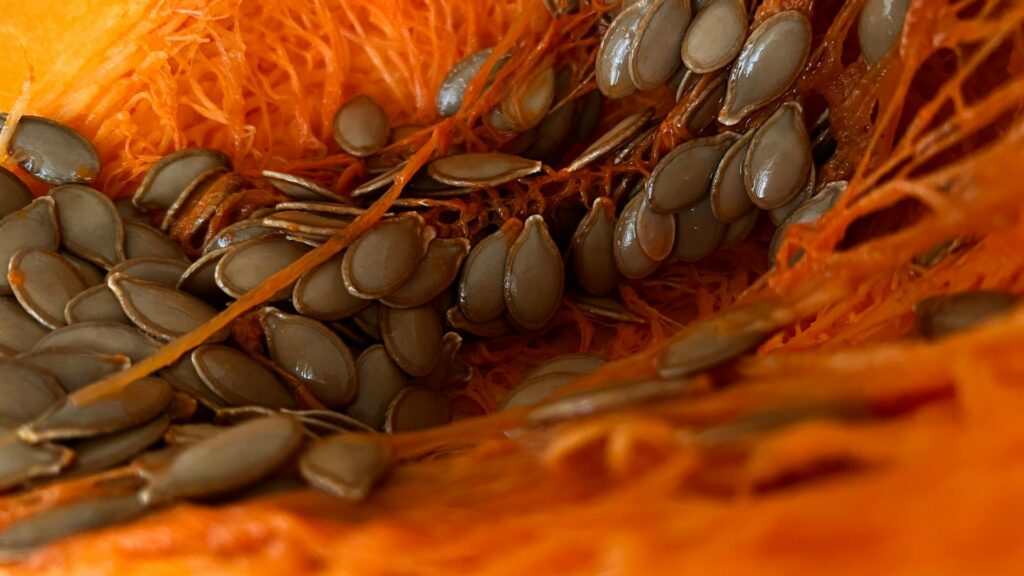
Pumpkin seeds are underrated and easy to overlook, but they pack an impressive nutritional punch. They are one of the best food sources of zinc, a mineral critical for nerve signaling and memory. They also provide magnesium, iron, and copper — all essential for brain function.
Zinc deficiency is linked to impaired learning and memory, while magnesium supports learning efficiency and helps manage stress and anxiety. For students who feel overwhelmed during exam periods, increasing magnesium intake through foods like pumpkin seeds can have a calming, clarifying effect.
A 30 gram serving of pumpkin seeds provides around 37% of the daily recommended zinc intake. They can be roasted with a little sea salt and eaten as a snack, sprinkled over salads, or blended into trail mix with walnuts and dark chocolate chips.
9. Avocados — Healthy Fats for Healthy Focus
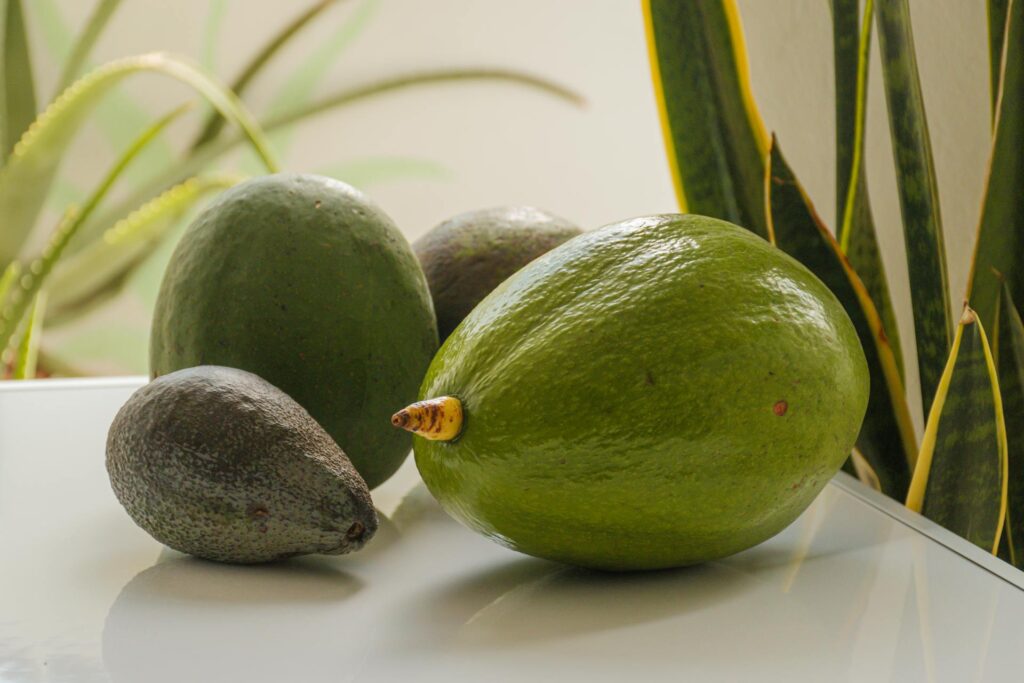
Avocados are rich in monounsaturated fats, which support healthy blood flow to the brain. Good circulation means the brain receives more oxygen and glucose — two things it needs to function at peak capacity. Avocados also contain vitamin K and folate, which protect the brain from stroke and improve cognitive function, particularly memory and concentration.
They are also a good source of lutein, which some research suggests can accumulate in the brain and improve neural efficiency. A study from Tufts University found that lutein from avocados was associated with better attention and cognitive flexibility in young, healthy adults.
Half an avocado on whole grain toast or blended into a smoothie is an easy, filling, and brain-nourishing option that many students have started incorporating into their daily routines with excellent results.
10. Green Tea — Calm, Clean Focus in a Cup

Green tea deserves a special place on this list because of its unique combination of caffeine and L-theanine. Unlike coffee, which can cause jitteriness and anxiety in many students, green tea provides smooth, focused energy that does not spike and crash.
L-theanine is an amino acid that promotes alpha wave activity in the brain — associated with a state of calm alertness. Paired with the mild caffeine in green tea, it produces what many students describe as a “clean” kind of focus: sharp, steady, and relaxed.
Multiple studies have confirmed that this combination improves attention, reaction time, and working memory. Green tea also contains powerful antioxidants called catechins, which protect brain cells from damage and support long-term cognitive health.
1 to 2 cups of green tea per day, especially during study sessions, is a simple and effective upgrade for any student looking to think more clearly without overloading on stimulants.
Practical Tips for Students to Eat Smarter Every Day
Understanding what to eat is one thing — actually doing it with a student’s budget, schedule, and lifestyle is another. Here are some real-world strategies that work:
Meal prep on Sundays. Cooking a big batch of oats, hard-boiling eggs, and washing and portioning fruits and vegetables at the start of the week removes the daily decision fatigue that leads to grabbing whatever is closest.
Keep brain-food snacks visible. A bowl of walnuts on the desk, a bag of pumpkin seeds in the backpack, or a piece of dark chocolate nearby means students are more likely to reach for them instead of chips or candy.
Hydration matters as much as food. The brain is 73% water, and even mild dehydration — as little as 1 to 2% — can impair concentration, short-term memory, and mood. Students should aim for 6 to 8 glasses of water daily, more if they are physically active.
Avoid the afternoon sugar trap. Many students crash around 2 to 3 PM and reach for sugary snacks or energy drinks. This makes the crash worse. A better option is a small mixed snack — like avocado on crackers, a handful of blueberries, or a green tea — which stabilizes blood sugar and restores focus.
Never skip breakfast. Research shows that students who eat breakfast regularly have better concentration, problem-solving ability, and even better mood throughout the day. Even something simple like a banana with a small handful of walnuts is infinitely better than nothing.
Summary
Eating right = thinking better.
Students who eat brain-friendly foods perform better academically. The blog explains how the brain uses 20% of the body’s energy and needs proper nutrition to function well.
Key takeaways:
- Avoid sugar crashes from junk food
- Eat foods rich in omega-3, antioxidants, and B vitamins
- 10 best foods — blueberries, fish, eggs, walnuts, dark chocolate, greens, oats, pumpkin seeds, avocados, green tea
- Small diet changes = big improvement in focus and memory
Bottom line: Feed your brain well, study smarter.
The Bottom Line
What students eat shapes how they think. The brain is not separate from the body — it is the body’s command center, and it needs premium fuel to run at full capacity. The 10 foods listed in this article — blueberries, fatty fish, eggs, walnuts, dark chocolate, leafy greens, oats, pumpkin seeds, avocados, and green tea — are not expensive, or hard to find. They are practical, accessible, and backed by solid science.
The students who perform best academically are not always the ones who study the longest. They are often the ones who take care of their brain — by sleeping well, staying hydrated, managing stress, and eating foods that actually support cognitive function.
A small shift in eating habits can lead to a big shift in academic performance. The brain is hungry. Feed it well.
FAQs
What is the best food for brain power while studying?
Blueberries, walnuts, and eggs are the top choices. They improve memory, focus, and sustained energy during long study sessions.
What should students eat before an exam?
A meal with oats, eggs, and green tea is ideal. It provides steady energy, sharpens focus, and avoids sugar crashes during the exam.
Does food really affect academic performance?
Yes. Students who eat nutrient-rich foods consistently score better on memory and attention tests compared to those eating processed foods.
What is the worst food for student brain performance?
Sugary drinks, fast food, and energy drinks spike blood sugar and cause crashes that destroy concentration and memory retention.
How can students improve focus naturally through diet?
Eating dark chocolate, green tea, avocados, and pumpkin seeds daily provides natural focus-boosting nutrients without relying on caffeine or stimulants.