

- Transform your study space — A cozy, organized space makes you want to sit down and study.
- Use Pomodoro Technique — Study for 25 minutes, then reward yourself with a fun 5-minute break.
- Make interesting flashcards — Add colors, drawings, and humor to make information stick better.
- Study with a friend — Quiz each other and teach concepts back to make learning social and fun.
- Gamify your learning — Turn studying into a game with points, badges, and friendly competition.
- Listen to the right music — Instrumental or lo-fi music boosts focus without distracting your brain.
- Use technology wisely — AI tutors, mind maps, and focus apps make studying faster and clearer.
- Build a reward system — Give yourself small rewards after tasks to keep motivation high.
- Draw, doodle, and visualize — Sketching notes engages a different part of the brain for better recall.
- Connect studying to real life — When material feels relevant, the brain pays attention and remembers more.
Studying has always felt like a chore for most students. The long hours, the piles of notes, the endless textbooks — it can all feel overwhelming very quickly. But here is the truth: studying does not have to be miserable. In fact, with the right strategies, it can actually become something students look forward to.
In 2026, there are more creative, tech-savvy, and human-centered approaches to learning than ever before. This article breaks down 10 fun and practical ways that students of all ages are making studying more enjoyable — backed by real experience, not just theory.
1. Turn Your Study Space Into a Place You Actually Want to Be
One of the first things that makes studying feel awful is the environment. Sitting at a cluttered desk under harsh fluorescent lights is nobody’s idea of a good time. Students who genuinely enjoy their study sessions often talk about how much their physical space matters.
A student named Maria, a 17-year-old from Texas, shared that she completely transformed her study corner by adding fairy lights, a small plant, and a cozy chair. “I used to dread sitting down to study,” she said. “Now I actually look forward to it because my corner feels like my own little world.”
The science backs this up too. A well-organized, aesthetically pleasing workspace reduces mental friction and signals to the brain that it is time to focus. Students should try to:
- Declutter the desk and keep only what is needed
- Add warm lighting instead of harsh overhead lights
- Use a comfortable chair or cushion
- Keep a small plant or motivational quote nearby
- Play background music or ambient sounds
Even small changes can make a massive difference in how motivated someone feels before they even open a book.
2. Use the Pomodoro Technique With a Fun Twist

The Pomodoro Technique has been around for decades, but in 2026, students are giving it a modern and enjoyable twist. The basic idea is simple: study for 25 minutes, then take a 5-minute break. After 4 rounds, take a longer break of 15 to 30 minutes.
But here is where the fun comes in. Students are now using their break times creatively. Instead of scrolling social media (which actually drains energy), they are:
- Dancing to one favorite song
- Doing a quick stretching routine
- Playing with a pet for 5 minutes
- Sketching something random in a doodle journal
- Making a fun snack
Jake, a college sophomore majoring in biology, mentioned that his grades improved by nearly 20% after he started using this method. “I used to study for 3 hours straight and retain almost nothing. Now I study in short bursts and I remember so much more,” he explained.
The break becomes a reward, and the study session becomes something to push through — not something to avoid.
3. Make Flashcards That Are Actually Interesting
Flashcards are a classic study tool, but most students make them boring. Plain white cards with black text are not exactly inspiring. In 2026, students are reinventing the flashcard game by making them visually engaging and personal.
Here is what works:
- Color-code cards by subject or difficulty level
- Add funny drawings or memes to make information stick
- Use digital tools like Anki or Quizlet with custom images
- Write mini stories on cards instead of just definitions
- Record voice memos as audio flashcards
A middle school teacher named Ms. Rivera noticed that her students retained 35% more vocabulary when they were allowed to decorate their own flashcards compared to using standard printed ones. The act of creating the card — choosing colors, drawing pictures, writing in their own words — is itself a form of studying called active recall, and it is one of the most powerful learning techniques known to educators.
4. Study With a Friend (But Do It Right)

Studying with friends can either be incredibly productive or a complete disaster. The key is structure. Unstructured study sessions with friends often turn into chat sessions. But when done correctly, studying with a friend can be one of the most enjoyable and effective ways to learn.
Here is what makes group studying actually work:
- Set a clear agenda before starting — what topics will be covered?
- Use the “teach back” method — each person explains a concept to the other
- Quiz each other using made-up game shows like a fake version of Jeopardy
- Set a shared timer so both people stay accountable
- Reward yourselves with a snack or outing after the session
Aisha, a high school junior, and her best friend started a weekly study tradition every Sunday afternoon. “We make it feel like an event,” she shared. “We bring snacks, take turns explaining things, and quiz each other. By the end, we both feel confident and we had fun doing it.”
The social connection makes studying feel less isolating, and explaining concepts to someone else deepens personal understanding significantly.
5. Gamify Your Learning Experience
Gamification is one of the biggest trends in education in 2026, and for good reason — it works. When studying starts to feel like a game, the brain releases dopamine, the same chemical released during enjoyable activities. This makes students want to keep going.
Students can gamify their own study sessions in creative ways:
- Create a personal points system — earn points for every chapter read or problem solved
- Use apps like Kahoot, Duolingo, or Forest that reward consistency
- Set up a leaderboard with study friends to spark friendly competition
- Turn review sessions into a trivia game
- Give themselves badges or stickers for reaching milestones
Ryan, a 16-year-old who struggled with math, started treating each algebra problem like a level in a video game. “Every correct answer is a level up,” he explained. “I went from hating math to actually wanting to sit down and solve problems because I wanted to beat my own high score.”
This approach is especially powerful for students who are visual learners or who are naturally competitive.
6. Try Role-Playing and Storytelling to Learn Concepts
One of the most underrated study strategies is turning dry material into a story or role-play scenario. When students assign characters, emotions, and narratives to the information they are learning, the brain processes it as an experience rather than a fact — and experiences are far harder to forget.
Emma, a 16-year-old history student, started acting out historical events with her younger brother at home. “I played the role of a Roman senator and he asked me questions,” she laughed. “By the time the exam came I remembered everything because I had literally lived it in my living room.”
Students can apply this strategy in several ways:
- Turn a scientific process into a short story with characters
- Role-play as a historical figure and answer questions in their voice
- Create a mini podcast or video explaining a topic as if teaching someone else
- Write a one-page fictional story where the main character uses the concept being studied
- Act out vocabulary words physically to build muscle memory
This method is especially powerful for subjects like history, biology, economics, and literature where human context already exists within the material. It makes studying feel more like creative play than academic work — and the retention rates speak for themselves.
7. Use Technology as a Study Ally, Not a Distraction

Technology is often blamed for reducing students’ attention spans, but in 2026, the smartest students are using it as a powerful study tool rather than running away from it. The trick is intentional use.
Here are some of the most popular tools students are using:
- AI tutors — personalized explanations, instant answers, and practice problems on demand
- YouTube educational channels — visual explanations that textbooks cannot match
- Mind-mapping apps like MindMeister or Miro — great for visual learners
- Notion or Obsidian — for organizing notes in a beautiful, searchable format
- Smart timers and focus apps like Forest that block distracting sites during study hours
Leo, a first-year university student, said that using an AI tutor to explain organic chemistry concepts changed everything for him. “It explained things in a way my professor never did — like I was a real person asking a real question. My exam scores jumped by 28% that semester.”
Technology does not ruin studying — misuse of technology does. When students take control of how they use their devices, studying becomes faster, clearer, and even fun.
8. Reward Yourself With a Purpose-Driven System
One reason studying feels so unrewarding is because the payoff seems so far away. Final exams, college admissions, career success — these are abstract, distant goals. The human brain, however, is wired to respond to immediate rewards. Smart students build reward systems into their daily study routines.
Here is how to build a simple but powerful reward system:
- Small rewards for small tasks: finish reading a chapter → enjoy a piece of chocolate
- Medium rewards for weekly goals: complete all assignments on time → watch a favorite show
- Big rewards for big milestones: ace an exam → go out for a special dinner or buy something small
Sofia, a 15-year-old homeschooled student, tracks her academic progress in a colorful bullet journal. She even uses a middle school GPA calculator to monitor her grades throughout the semester so she always knows where she stands. “Seeing my GPA in real numbers motivates me to keep going,” she shared. “And every time I hit a milestone, I celebrate with something I love — even if it is just a long bath or a new book.”
The key is to make the reward proportional and meaningful, not excessive. Finishing 10 practice problems does not justify a 2-hour gaming session — but it might justify a 15-minute walk outside or a favorite snack.
9. Draw, Doodle, and Visualize Everything
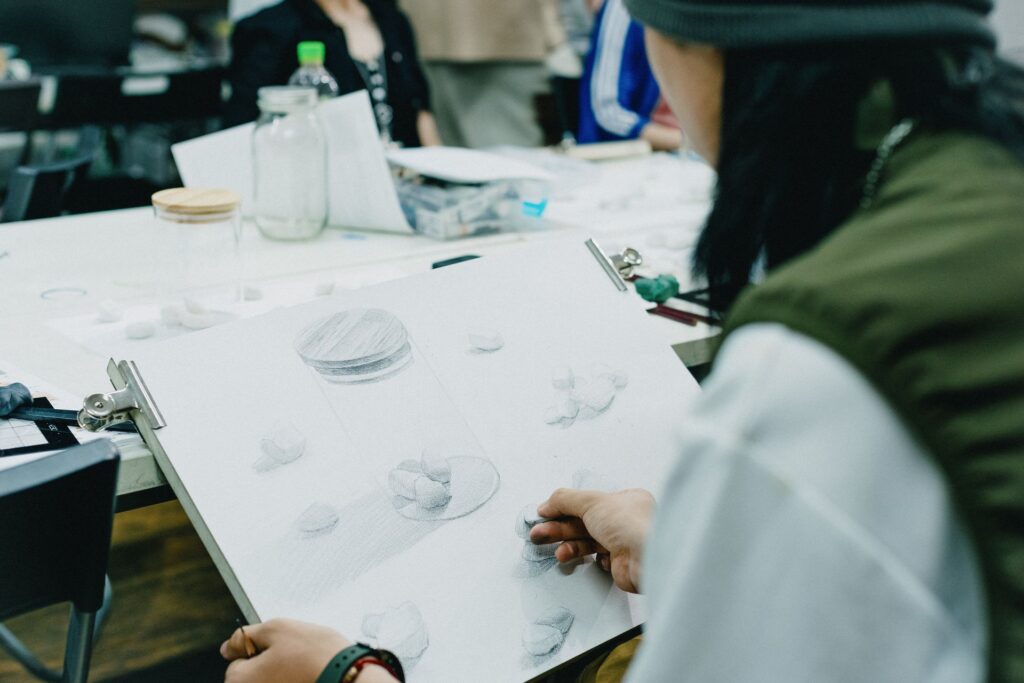
Not every student learns best by reading words on a page. Many students are visual learners who retain information far more effectively when it is represented as a diagram, chart, or doodle. In 2026, visual note-taking is having a major resurgence — and it is making studying far more fun.
Sketch-noting — the practice of combining drawings, symbols, and minimal text to capture ideas — is being used by students from middle school all the way through graduate programs. It turns passive note-taking into an active, creative exercise.
Students who want to try visual studying can:
- Draw mind maps to connect related concepts
- Use color-coded diagrams to organize information
- Sketch timelines for historical events or process flows
- Turn data and statistics into simple hand-drawn charts
- Doodle characters that represent concepts or terms
Nina, a pre-med student, started drawing her own illustrated notes for anatomy class. “I was failing before,” she admitted. “After I started sketching the bones and organs myself, I could picture everything in my head during the exam. I went from a D to a B+ in one semester just by changing how I took notes.”
Visual learning is not about artistic talent — it is about engaging a different part of the brain in the learning process.
10. Connect What You Study to Real Life
Perhaps the most powerful — and most underused — study strategy is this one: connect everything to real life. When a student understands why something matters, the brain automatically pays more attention and retains information longer.
Abstract information is forgettable. Relevant information sticks.
Here is how students can make this happen:
- Before studying a topic, ask: “How does this apply to my life or the world?”
- Look for news stories or videos that illustrate the concept
- Think of personal examples that relate to the material
- Discuss topics with family or friends outside of a school context
- Try to apply the knowledge — cook a recipe while learning about chemistry, manage a small budget while studying economics
David, a high school senior, used to find history completely pointless. Then his teacher started connecting historical events to current news stories. “Suddenly I cared,” David said. “When I understood that what happened 100 years ago directly shaped today’s world, I was hooked. I started reading history books for fun.”
This approach works because the brain is not designed to memorize random facts — it is designed to make meaning. When studying becomes meaningful, it stops feeling like work.
Summary
- Transform your study space — The environment where you study plays a huge role in your motivation. A clean, cozy, and personalized space with warm lighting, a comfortable chair, and small decorative touches like plants or fairy lights signals your brain that it is time to focus and makes the experience far more enjoyable.
- Use Pomodoro Technique with a fun twist — Study for 25 minutes then take a 5-minute break doing something genuinely fun like dancing, stretching, or making a snack. After 4 rounds take a longer 15-30 minute break. This prevents burnout and keeps your brain fresh and engaged throughout the session.
- Make interesting flashcards — Plain flashcards are boring and forgettable. Adding colors, funny drawings, mini stories, and personal touches turns flashcard creation into an active learning experience itself, helping the brain retain information up to 35% better than standard printed cards.
- Study with a friend the right way — Unstructured study sessions with friends become chat sessions. But with a clear agenda, the teach-back method, and fun quizzing games, studying with a friend becomes both productive and genuinely enjoyable while deepening understanding for both people.
- Gamify your learning — When studying feels like a game the brain releases dopamine making you want to keep going. Creating a personal points system, using reward apps, setting up friendly leaderboards, and earning badges for milestones turns an otherwise dull task into an exciting challenge.
- Listen to the right music — The wrong music kills focus but the right music supercharges it. Instrumental tracks like lo-fi hip hop, classical music, nature sounds, and video game soundtracks are proven to boost concentration without distracting the brain the way lyrics in your native language do.
- Use technology as a study ally — Instead of letting devices distract you, use them intentionally. AI tutors give personalized explanations, YouTube channels offer visual learning, mind-mapping apps organize complex ideas, and focus apps block distractions so every study session becomes more efficient and effective.
- Build a reward system — The brain craves immediate rewards but studying offers distant payoffs. Building a simple tiered reward system — small treats for small tasks, bigger rewards for bigger milestones — keeps motivation consistent and makes every study session feel purposeful and worth completing.
- Draw, doodle, and visualize — Visual note-taking through mind maps, sketches, timelines, and color-coded diagrams engages a completely different part of the brain than reading alone. Students who switch to sketchnoting often see dramatic grade improvements because the act of drawing forces deeper processing of the material.
- Connect studying to real life — Abstract information is quickly forgotten but relevant information sticks. Before diving into any topic, asking how it connects to the real world, finding related news stories, and applying the knowledge practically transforms studying from a meaningless chore into something genuinely interesting and worth caring about.
Final Thoughts
The biggest shift students can make in 2026 is in their mindset about studying itself. Studying is not punishment. It is not something that happens to a student — it is something a student does for themselves. Every hour spent studying is an investment in a future that is entirely the student’s own.
The 10 strategies shared in this article are not complicated or expensive. They do not require special equipment or perfect conditions. They simply require a willingness to try something different.
Whether it is transforming a study space, gamifying learning, using music intentionally, rewarding effort honestly, or connecting material to real life — every one of these approaches has been lived and tested by real students who found a way to make learning something they genuinely enjoy.
The students who thrive are not always the most naturally gifted. They are the ones who figured out how to make studying work for them — and who kept showing up, day after day, with a little curiosity and a lot of intention.
It is also worth remembering that progress is not always visible right away. A student might try visual note-taking for three days and feel like nothing has changed. But give it two to three weeks, and the difference in recall, confidence, and enjoyment becomes undeniable. Learning is a long game, and the students who win are the ones who trust the process even when the results are not immediately obvious.
Parents and teachers also play a huge role here. When the adults around a student treat studying as a punishment or a burden, students naturally adopt that same belief. But when learning is framed as something exciting — a treasure hunt for knowledge, a way to unlock new abilities — students respond completely differently. The culture around studying matters just as much as the strategies themselves.
Finally, it helps to remember that every great thinker, athlete, artist, and scientist in history was once a student who sat down, opened a book, and had no idea what they were doing. The difference between those who succeeded and those who gave up was not raw talent — it was consistency, curiosity, and a genuine willingness to make the journey enjoyable.
Start with one strategy. Try it for one week. See what changes. The results might be very surprising.
FAQs
How can I make studying fun and less boring?
You can make studying fun by gamifying your sessions, using colorful flashcards, studying with friends, rewarding yourself after completing tasks, and creating a cozy study space that you actually enjoy sitting in.
What is the best study technique for students in 2026?
The Pomodoro Technique combined with active recall and visual note-taking is considered one of the most effective study methods in 2026. It keeps the brain fresh, improves retention, and prevents burnout during long study sessions.
Does listening to music while studying actually help?
Yes, but only the right kind. Instrumental music like lo-fi hip hop, classical music, and nature sounds improves focus and mood. Music with lyrics in your native language can reduce comprehension by up to 30% so it is best avoided during reading or writing tasks.
How do I stay motivated to study every day?
Building a personal reward system, tracking your progress visually, connecting study material to real life, and setting small achievable daily goals are the most effective ways to stay consistently motivated without burning out over time.
What is the best environment for studying at home?
The best home study environment is clean, quiet, and personalized. Warm lighting, a comfortable chair, minimal clutter, a small plant, and background ambient sounds create a space that reduces mental friction and makes it easier to sit down and focus without distractions.